In today's world, energy efficiency is not only a buzzword but a necessity for homeowners looking to reduce their environmental impact and lower energy costs. Improving your home's energy efficiency can lead to significant savings while also enhancing your living comfort. Here are some effective strategies to consider when aiming to make your home more energy-efficient.
1. Insulation Improvements:
One of the most effective ways to enhance energy efficiency is by upgrading your home's insulation. Proper insulation in attics, walls, and floors helps keep your home warm in the winter and cool in the summer. Consider materials such as fiberglass, spray foam, or cellulose, and ensure that your home is inspected by a professional to identify any gaps.
2. Upgrade Windows and Doors:
Windows and doors are common culprits for energy loss. Replacing old, single-pane windows with energy-efficient double or triple-pane models can significantly reduce heat transfer. Additionally, ensure that your doors have proper weather stripping to seal off any drafts that may affect your home's temperature.
3. Energy-Efficient Appliances:
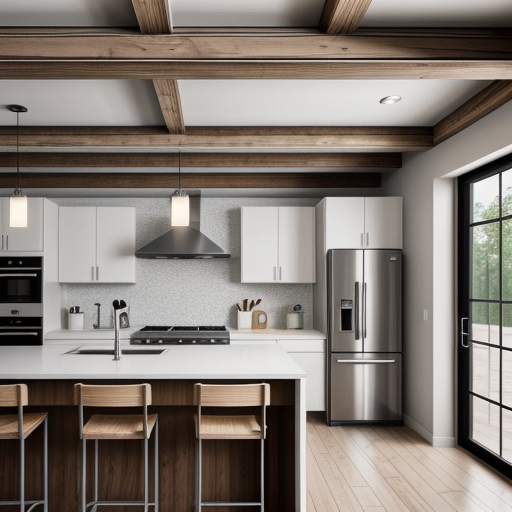
When it’s time to replace major appliances, look for those that have the Energy Star label. These appliances are designed to consume less energy than standard models, providing both energy savings and better overall performance. From refrigerators to washing machines, choosing energy-efficient appliances can lead to long-term cost savings.
4. Smart Thermostats:
Installing a smart thermostat can help you manage your home’s heating and cooling systems more effectively. These devices learn your schedule and adjust the temperature accordingly, thereby reducing energy usage when the house is empty. Furthermore, many smart thermostats can be controlled remotely, allowing you to make adjustments on-the-go.
5. Energy-Efficient Lighting:
Switching to LED or CFL (compact fluorescent lamp) light bulbs can significantly reduce your electricity usage. Unlike traditional incandescent bulbs, these alternatives offer the same brightness while consuming far less energy and having a longer lifespan.
6. Solar Panels:
Investing in solar panels is a long-term strategy for enhancing energy efficiency. Although the initial investment can be substantial, solar panels can drastically reduce your electricity bills, and many states offer incentives that can lessen upfront costs. Moreover, they contribute to a more sustainable energy system.
7. Renewable Energy Sources:
Besides solar energy, consider other renewable energy sources such as wind or geothermal energy. These systems can provide you with alternative ways to heat and cool your home, further reducing reliance on fossil fuels.
8. Regular Maintenance:
Lastly, maintaining your home’s heating and cooling systems is crucial for energy efficiency. Schedule regular inspections and tune-ups for your HVAC units to ensure they are running correctly and efficiently. Dirty filters or inefficient systems can lead to increased energy consumption.
By implementing these strategies, you can significantly increase your home's energy efficiency, ultimately leading to lower utility bills and a more comfortable living environment. If you are considering selling your home in the future, energy-efficient upgrades can also enhance your property’s market value, making it an appealing option for potential buyers.