When considering the purchase of a home, understanding its potential resale value is crucial. This value is not merely an estimation; it is influenced by various factors that can significantly affect your investment. Here are some essential elements to evaluate when determining a home's resale value that can help you make a well-informed decision.
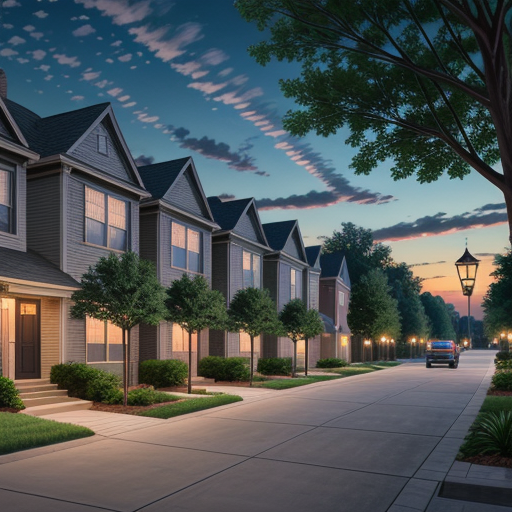
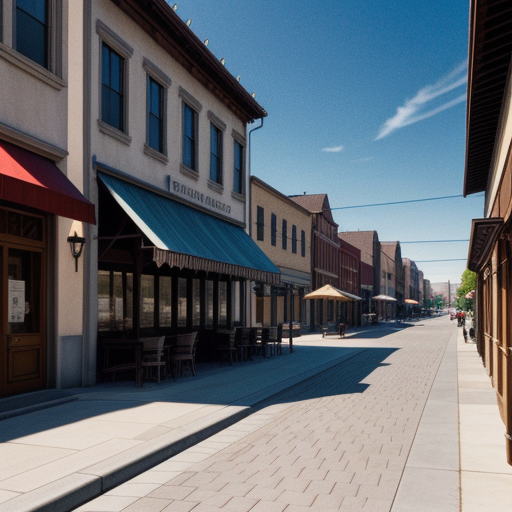
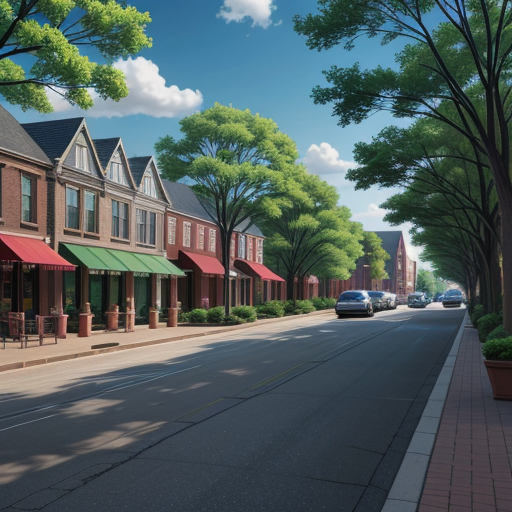
Location: The old adage 'location, location, location' holds true in real estate. Properties situated in desirable neighborhoods with good schools, low crime rates, and proximity to amenities such as shopping centers, parks, and public transportation typically maintain higher resale values. Investigate the area’s growth potential and upcoming developments as these can also impact future property values.
Market Trends: Understanding the current real estate market trends is vital. Are home prices rising or falling in the area? Analyze recent sales data and consider working with a local agent who has access to comprehensive market reports. Additionally, keep an eye on national trends that might influence local markets, such as economic changes or housing inventory fluctuations.
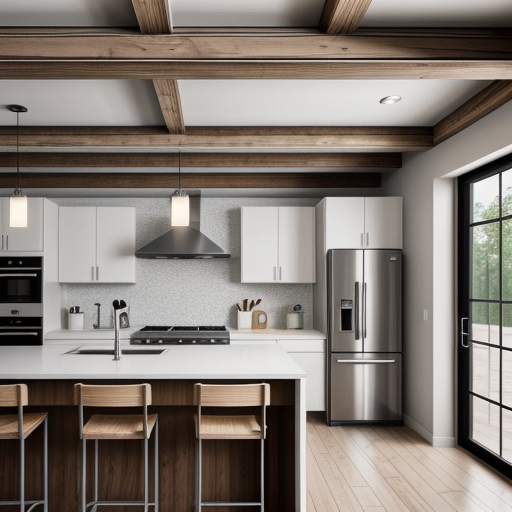
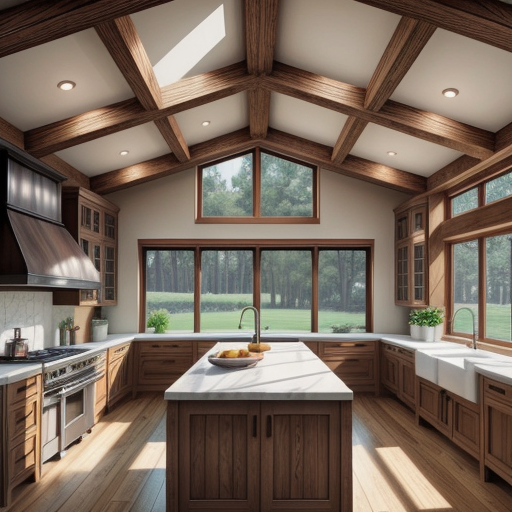
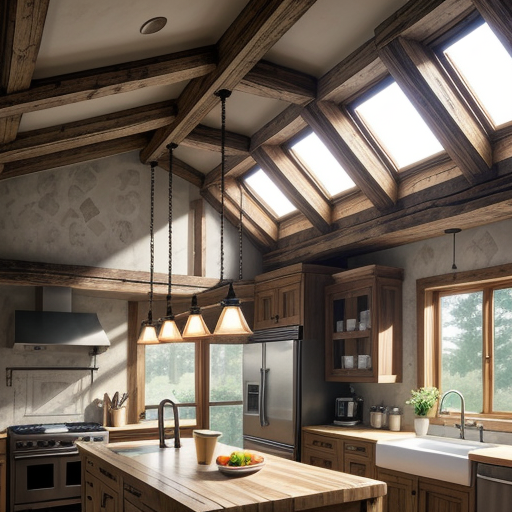
Property Condition: The condition of the home itself is a pivotal factor for resale value. A well-maintained home with up-to-date features and minimal repair needs will typically fetch a better price than one requiring significant renovations. During your evaluation, pay attention to the roof, plumbing, electrical systems, and overall aesthetic appeal. A thorough home inspection can provide insights into immediate concerns that could affect long-term value.
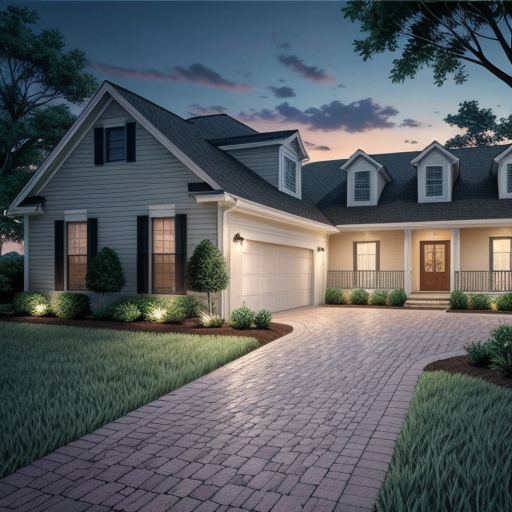
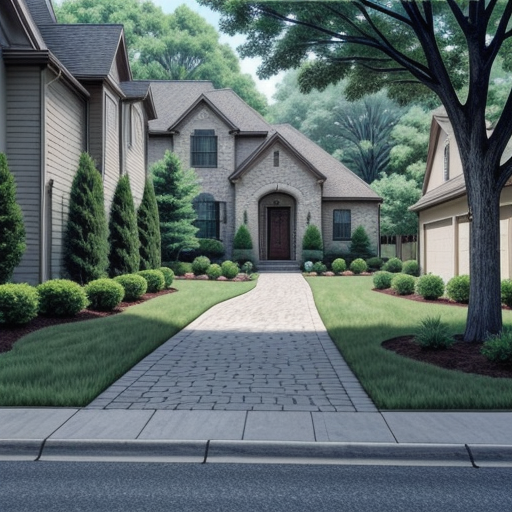
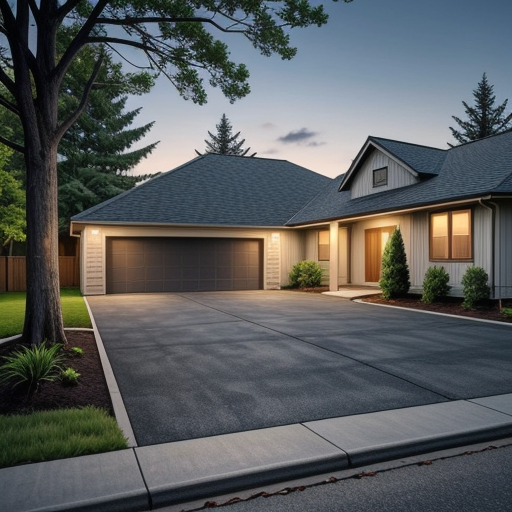
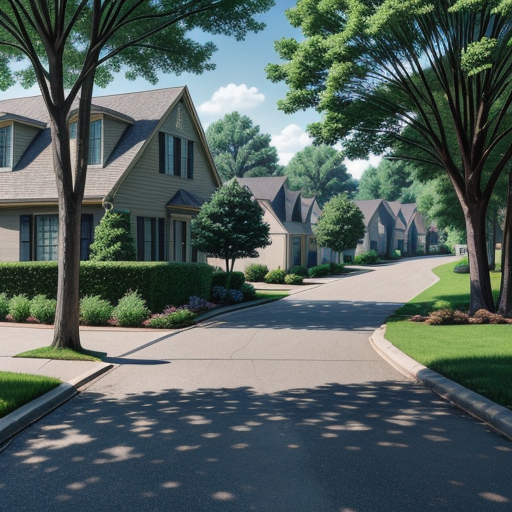
Curb Appeal: First impressions matter, especially in real estate. Homes that are visually appealing from the street are more likely to attract buyers. Invest time in understanding what contributes to good curb appeal, such as landscaping, paint color, and architectural style. These elements can make a significant difference when it comes time to sell.
Local School Districts: Homes in districts known for high-quality education often see an increase in demand, thus heightening their resale value. Buyers, particularly families, are often willing to pay a premium for homes located in reputable school districts. Research school ratings and the overall reputation of educational institutions in the area.
Future Development: Investigate any planned infrastructure projects or zoning changes in the vicinity. Upcoming developments, such as new shopping centers, parks, or public transport can positively affect real estate values. Similarly, be cautious of potential negative developments, such as factories or highways that could lower property desirability.
Consider Market Cycles: Real estate markets cycle between periods of expansion and contraction. By understanding where your targeted location sits within this cycle, you can make smarter decisions regarding when to buy or sell. Deferring a purchase during a market downturn or choosing to sell during a peak period can maximize your investment.
In summary, evaluating a home's resale value is a multifaceted process that involves considering location, market trends, property condition, curb appeal, school districts, future developments, and market cycles. By taking these elements into account, you can make a more informed decision, ensuring your investment is sound and your potential for future sale remains high.