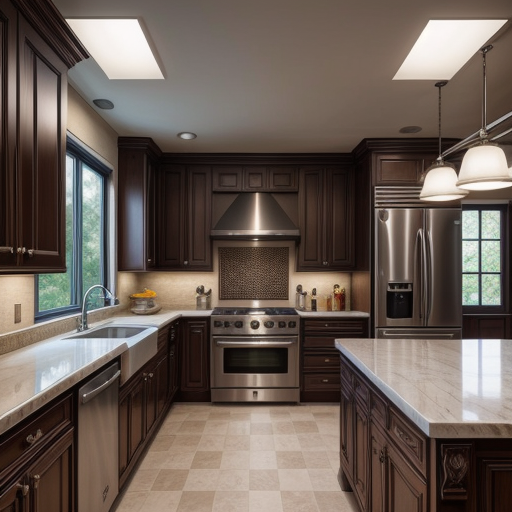
Embarking on a renovation project can be an exciting yet daunting task for homeowners. To ensure that your renovation proceeds smoothly without financial strain, creating a comprehensive budget is essential. This guide will walk you through the steps of constructing an effective renovation budget that covers all your needs while helping you stay on track financially.
Assessing Your Needs and Wants
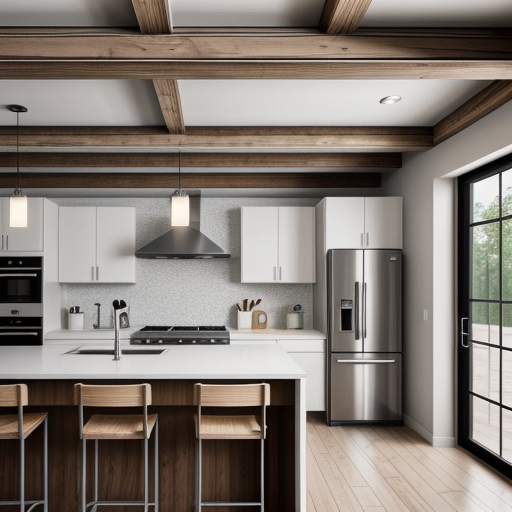
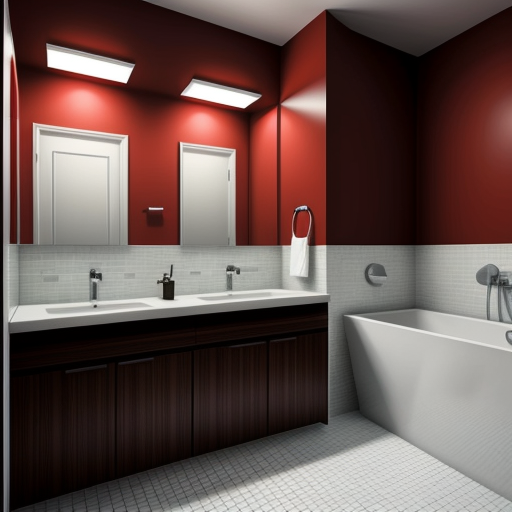
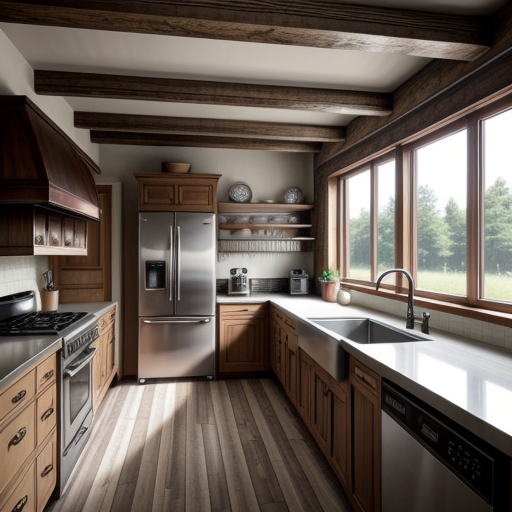
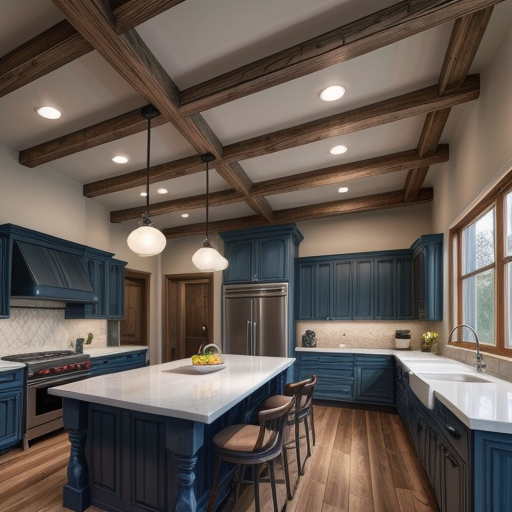
Before diving into numbers, it’s important to differentiate between your needs and wants. Start by listing out the areas of your home that require improvement and what your ideal outcomes look like. Are you looking for a kitchen remodel, an additional bathroom, or simply updating fixtures? Establishing clear priorities will help you make informed decisions that align with your budget.
Setting a Realistic Budget
Once you have a clear idea of your renovation goals, it’s time to set a realistic budget. Start by determining how much you can afford to spend without compromising your financial stability. Consider your savings, income, and any additional financing options if necessary. A good rule of thumb is to allocate 10-20% of your home’s value for renovations.
Researching Costs
Next, conduct thorough research on the costs associated with your planned renovations. It may be beneficial to consult with contractors, visit home improvement stores, or look online for pricing on materials, labor, and other essential elements. Make sure to account for potential price fluctuations in materials due to market conditions.
Adding a Contingency Fund
No renovation comes without surprises. Unforeseen expenses can arise, from structural repairs to unexpected delays. To safeguard against these potential issues, it’s wise to include a contingency fund in your budget. A common practice is to set aside 15-20% of your total budget for unexpected costs.
Breaking Down Your Budget
To create a clear picture of your renovation budget, consider breaking it down into categories. For example, allocate specific amounts for labor, materials, permits, and design fees. This structured approach will help you manage your spending and identify where adjustments might be necessary if you exceed your budget in one area.
Seeking Professional Assistance
If your renovation project is particularly large or complex, it may be beneficial to hire a professional. Architects, interior designers, or seasoned contractors can provide valuable insights and help refine your budget based on their experience and industry knowledge.
Maintaining Flexibility
As you begin your renovation, remain flexible with your budget. The process may not always go as planned, and adjusting your expectations can prevent frustration. Communicate openly with your contractors and make sure everyone is on the same page regarding costs and timelines.
Monitoring Your Expenses
Throughout the renovation process, keep track of your expenses to ensure you stay within your budget. Use a spreadsheet or budgeting app that allows you to update costs as they occur. Regularly monitoring your budget can help you identify any spending trends and make adjustments where necessary.
Conclusion
Creating a budget for your renovation is a fundamental step toward achieving your dream home without financial stress. By assessing your needs, researching costs, and remaining flexible, you can navigate the renovation process successfully. Remember, a well-planned budget not only protects your investment but also enhances your overall renovation experience.