Water conservation is an increasingly important consideration for property owners aiming to reduce utility costs and contribute to sustainability efforts. As water scarcity becomes a pressing global issue, homeowners can play a crucial role through strategic conservation practices. Understanding these strategies not only enhances property value but also supports environmental responsibility.
One of the simplest yet highly effective water conservation strategies is the installation of low-flow fixtures. Upgrading to low-flow showerheads, faucets, and toilets can dramatically reduce household water usage without sacrificing performance. These fixtures are designed to maintain strong water pressure while using up to 60% less water compared to traditional models.
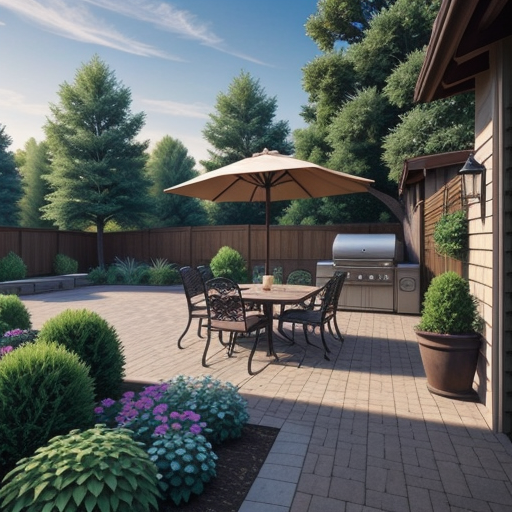
Outdoors, smart irrigation technology has become a game-changer. Installing a smart sprinkler system that adjusts based on weather and soil moisture can lead to significant water savings for your lawn and garden. In addition, xeriscaping, which involves landscaping with drought-tolerant plants, minimizes the need for excessive watering and maintenance.
Collecting rainwater is another efficient way to conserve water. By setting up rain barrels, homeowners can harvest rainwater for use in gardening or even indoor non-potable applications. This not only curbs reliance on municipal water supplies but also provides a buffer during dry periods.
Conducting regular maintenance checks is essential for identifying leaks early, which can otherwise lead to substantial water waste. Monitoring your water meter can reveal hidden leaks; if the meter changes with no water running, a leak may exist somewhere on the property.
Educating household members on water conservation habits is equally vital. Simple practices like turning off taps while brushing teeth, taking shorter showers, and using dishwashers only when full can collectively lead to considerable water savings.
Implementing these water conservation strategies consistently can greatly benefit property owners by lowering water bills, enhancing property resiliency, and supporting global water conservation efforts.