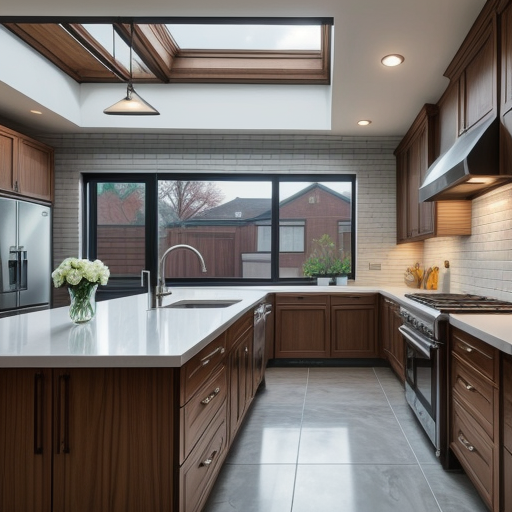
Embarking on a home renovation project can be both exciting and daunting. One of the most critical steps in ensuring a successful renovation is creating a detailed budget. Having a well-planned budget not only helps outline your financial capacity but also keeps your project on track and prevents overspending. Here’s how to effectively create a budget for your renovation.
1. Assess Your Current Financial Situation Before jumping into numbers, take some time to evaluate your overall financial status. Determine how much you can comfortably allocate towards renovations without compromising your essential expenses. Consider your savings, income, and any potential loans.
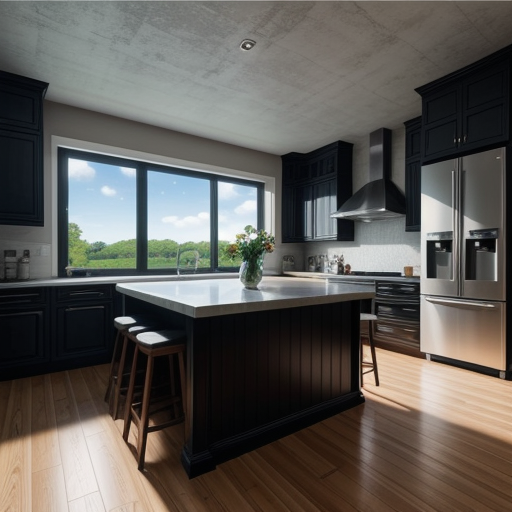
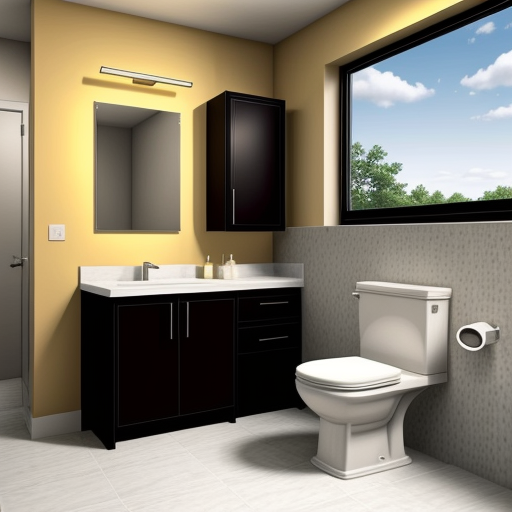
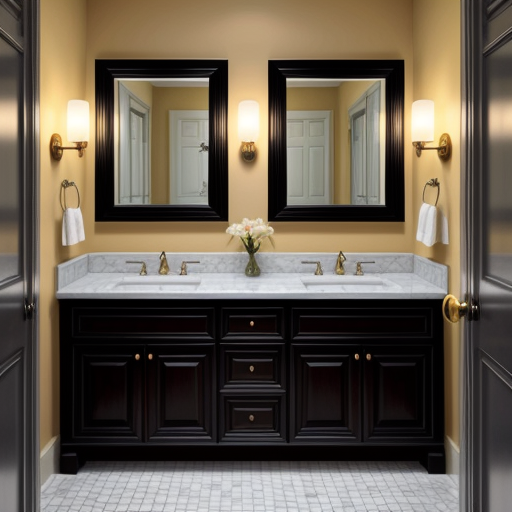
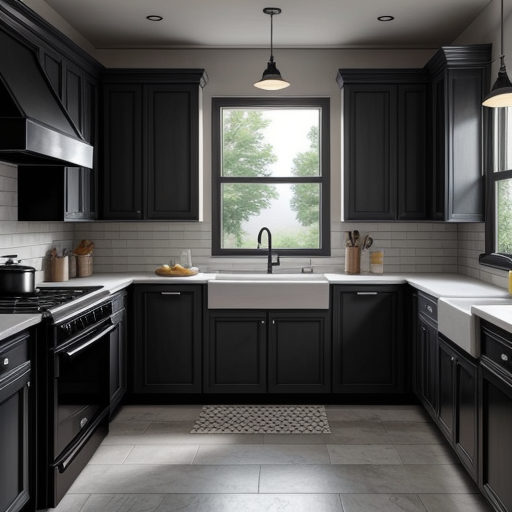
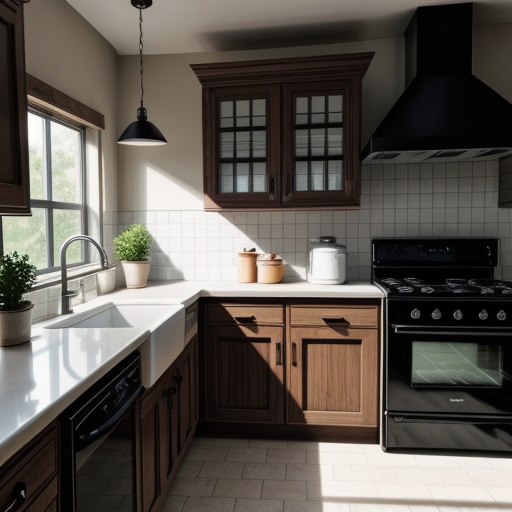
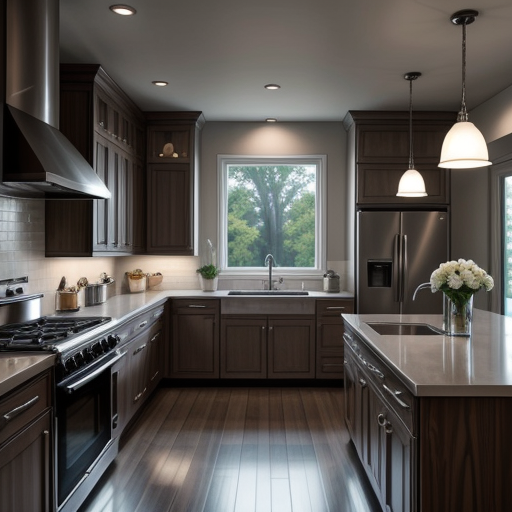
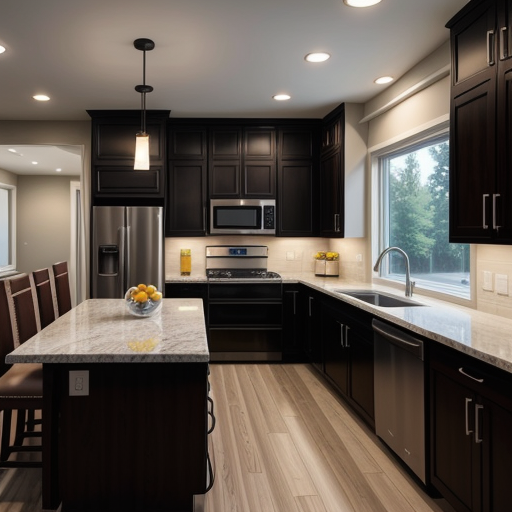
2. Define the Scope of Your Renovation Clearly outline what areas of your home you plan to renovate. Are you looking to remodel your kitchen, add a bathroom, or enhance your landscaping? Each project will have its own set of costs, so specifying the scope will help you estimate more accurately.
3. Research Costs Once you know what you want to renovate, research the average costs associated with your planned updates. Use online resources, product websites, and consult with professionals in the field to get estimates. This can include materials, labor, permits, and additional services.
4. Allocate a Contingency Fund Unexpected issues often arise during renovations, so it’s wise to allocate a contingency fund within your budget, typically around 10-20% of the total project cost. This fund can cover surprise expenses, from structural issues to material shortages, ensuring you are prepared for the unexpected.
5. Prioritize Your Renovation Needs If your budget is limited, prioritize which renovations are essential and which can wait. Understanding which updates will add the most value to your home can guide your decisions. Focus on high-impact areas like kitchens and bathrooms, which tend to yield better returns.
6. Get Quotes from Contractors Once you have a preliminary budget and clear scope, reach out to several contractors to get quotes for your project. This not only helps you compare costs but also gives you a chance to gauge the professionalism and reliability of each contractor. Remember to ask for a detailed breakdown of costs to understand where your money will be spent.
7. Review and Adjust After gathering all the necessary information, review your budget. Ensure it aligns with your financial capabilities and the level of work you expect. Be prepared to adjust your plans based on realistic costs and potential limitations.
8. Keep Track During the Renovation Once your renovation begins, keep a close eye on your spending. Regularly compare actual expenses against your budget, and adjust as necessary. If you find costs exceeding your expectations, reassess upcoming expenses and prioritize accordingly.
By following these steps to create a comprehensive renovation budget, you'll set yourself up for success. A well-planned budget not only minimizes financial stress but also allows you to enjoy the renovation process more fully, knowing you are maintaining control over your investment.