In today's environmentally conscious world, increasing energy efficiency in your home is more than just a trend; it's a necessity. Not only does it contribute to a more sustainable future, but it also significantly reduces utility bills and improves overall comfort. In this article, we'll explore several effective strategies to enhance your home's energy efficiency.
1. Conduct an Energy Audit Before making any changes, it's beneficial to evaluate your current energy usage. An energy audit can identify areas where your home may be wasting energy. Many utility companies offer free or discounted audit services, which can pinpoint specific issues, such as drafts, insulation gaps, and inefficient appliances.
2. Upgrade Insulation Proper insulation is crucial in maintaining a comfortable indoor temperature. Check your attic, walls, floors, and basements for adequate insulation. If necessary, adding insulation can minimize heat loss during winter and keep your home cooler in the summer, reducing the need for heating and cooling.
3. Seal Air Leaks Air leaks around windows, doors, and other areas can lead to significant energy loss. Seal any gaps with caulk or weatherstripping to improve your home's energy efficiency. Additionally, consider installing storm windows or doors as an extra layer of protection against drafts.
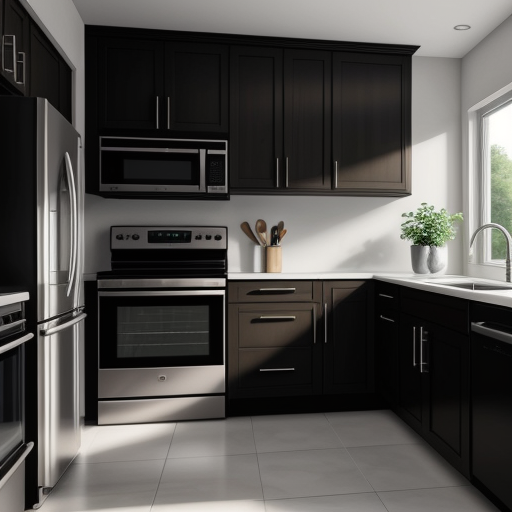
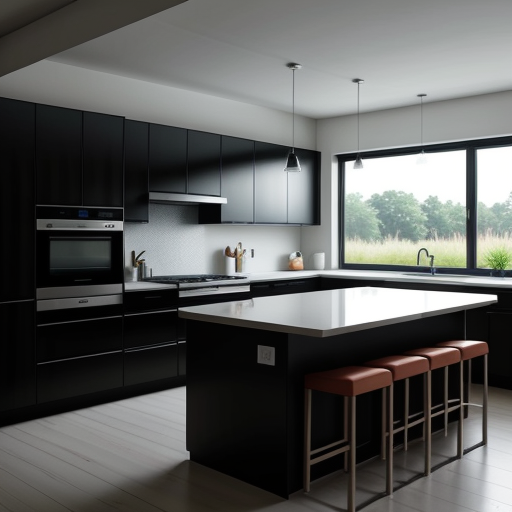
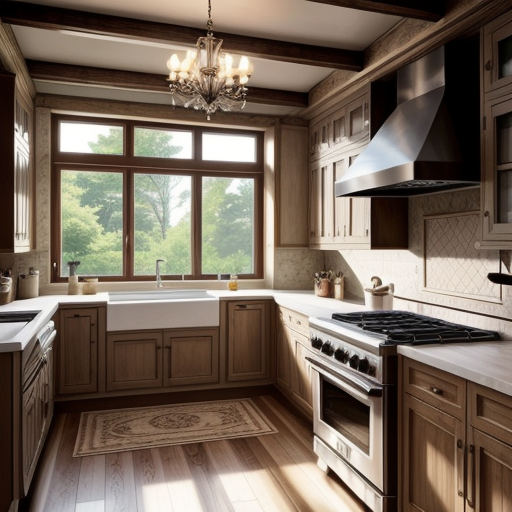
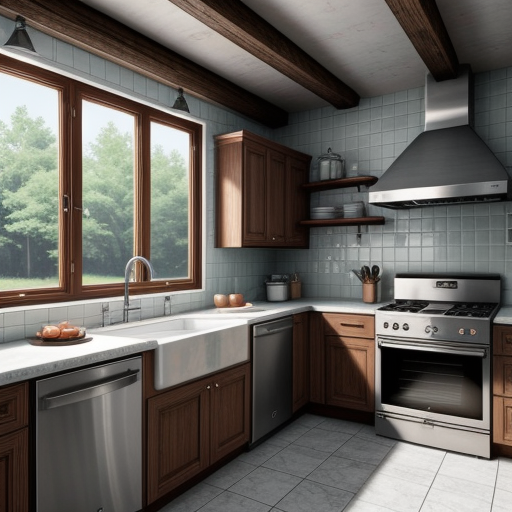
4. Invest in Energy-Efficient Appliances When it's time to replace appliances, choose energy-efficient models that have the ENERGY STAR label. These appliances consume less energy without sacrificing performance, producing savings on energy costs in the long run.
5. Utilize Smart Thermostats Smart thermostats allow you to program heating and cooling schedules that align with your lifestyle, optimizing energy use. You can manage temperature settings remotely via smartphone apps, ensuring your home is energy-efficient even when you're not there.
6. Switch to LED Lighting Replacing traditional incandescent bulbs with LED lighting can dramatically reduce energy consumption. LED lights use a fraction of the energy, last much longer, and emit less heat, providing an effective way to brighten your home sustainably.
7. Incorporate Renewable Energy Sources Consider integrating renewable energy solutions such as solar panels into your home. While the initial investment may be substantial, the long-term energy savings and potential tax incentives make it a worthwhile consideration.
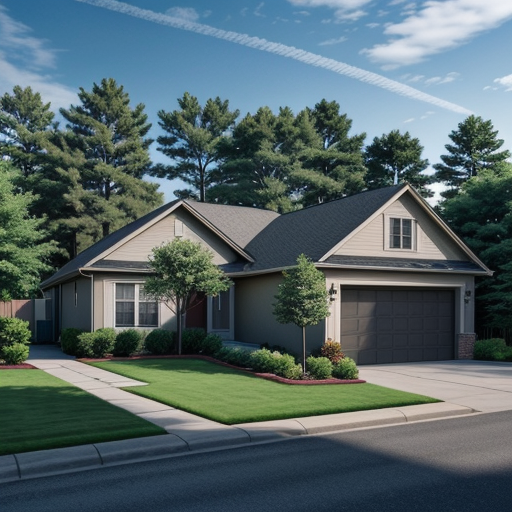
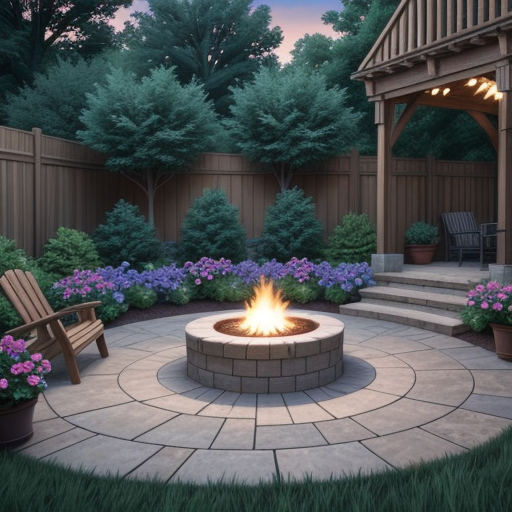
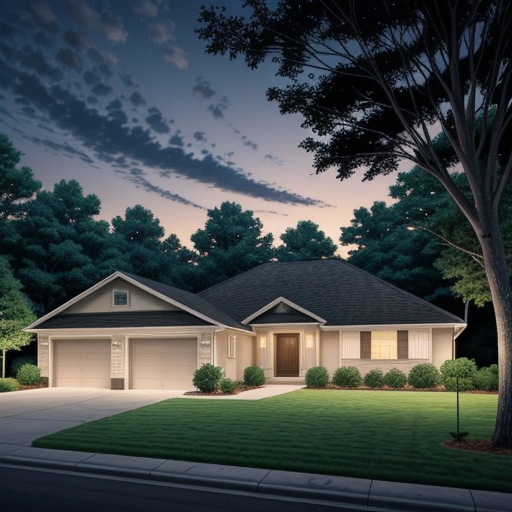
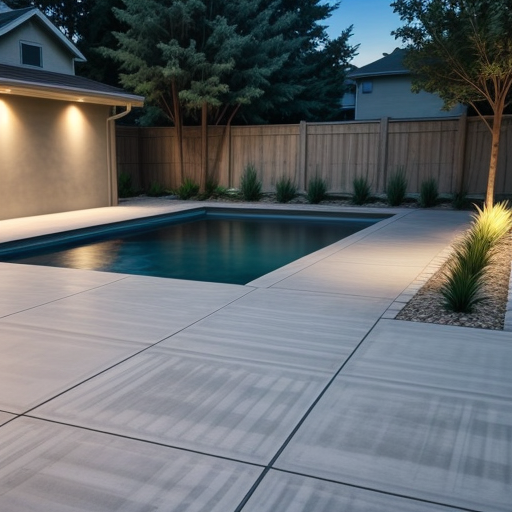
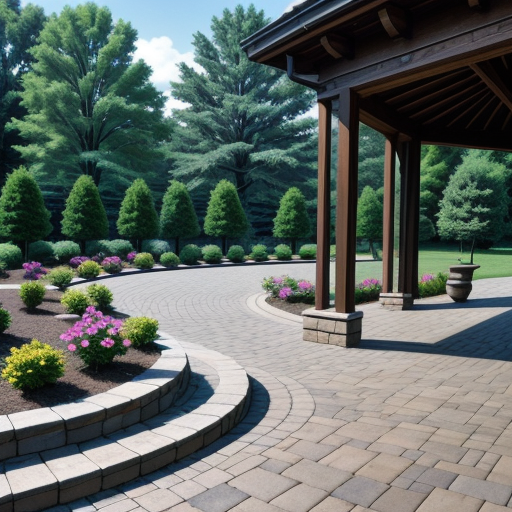
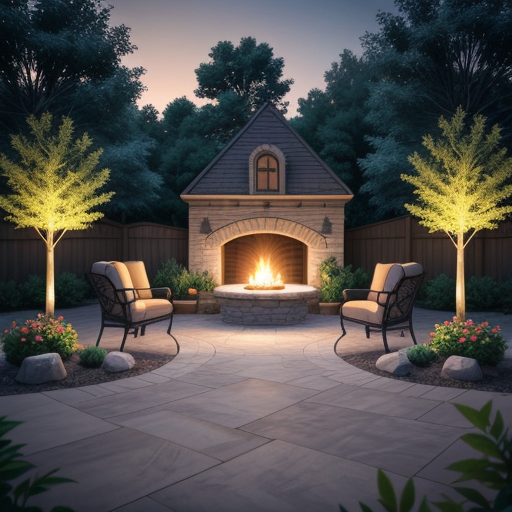
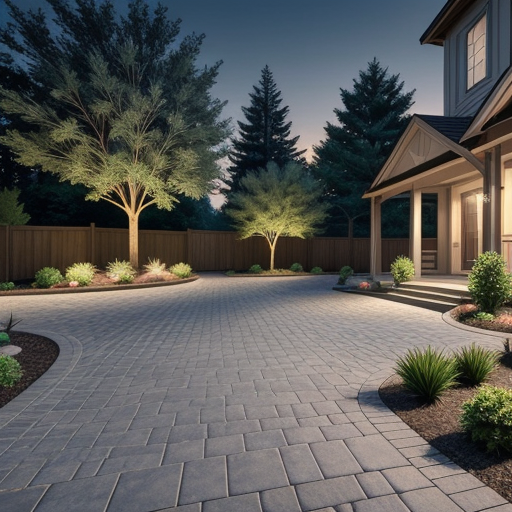
8. Landscaping for Energy Efficiency Your yard can also play a role in your home’s energy efficiency. Strategically planting trees and shrubs can provide shade during the summer, reducing cooling costs. Additionally, maintaining your landscaping can improve airflow around your home, enhancing its overall efficiency.
By implementing these strategies, you can significantly enhance the energy efficiency of your home, leading to lower utility bills and a smaller carbon footprint. Not only will you contribute to a more sustainable environment, but you'll also create a more comfortable living space for you and your family.