As the real estate market continues to evolve, increasing emphasis is being placed on energy efficiency as a key component in home value and appeal. Energy-efficient home improvements not only lower utility bills but also contribute significantly to the sustainability footprint of a property, making them highly desirable among today's environmentally-conscious buyers.
A primary area to consider is upgrading insulation, which can significantly reduce the need for excessive heating or cooling, thereby lowering energy costs. Properly insulated homes maintain consistent indoor temperatures and enhance overall comfort, making them attractive to potential buyers.
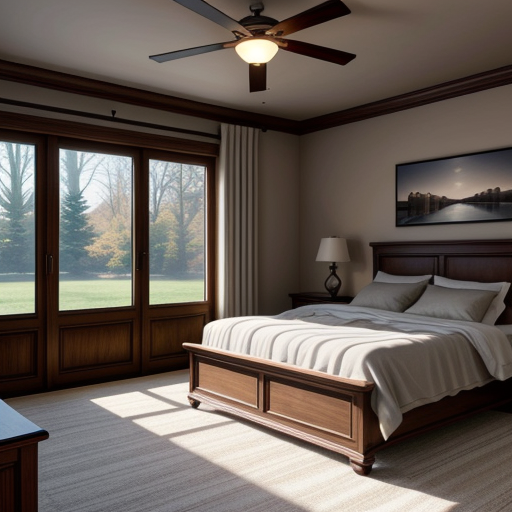
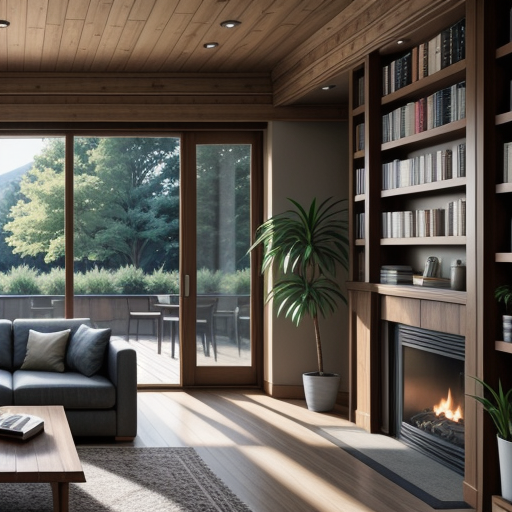
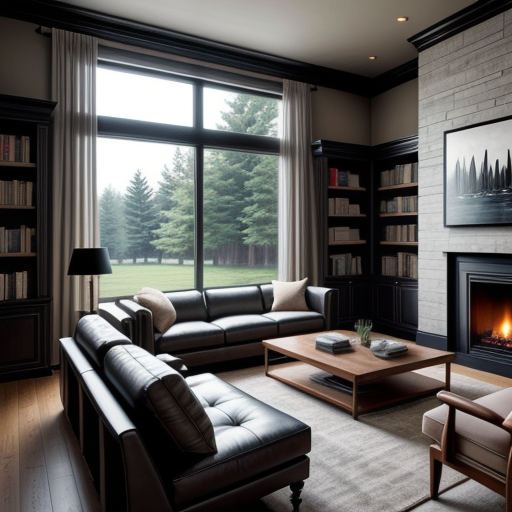
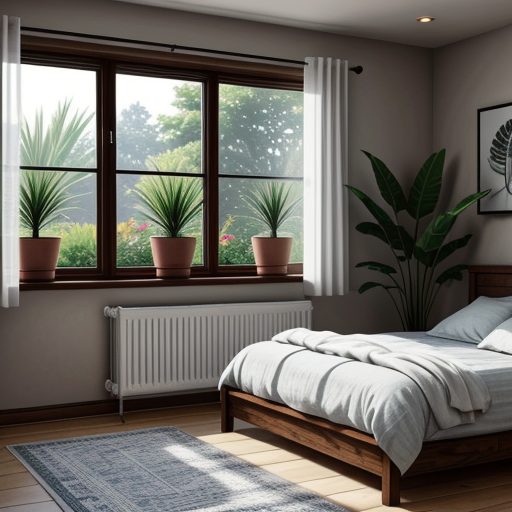
Additionally, investing in energy-efficient windows is a smart move to bolster your property's energy profile. Modern windows with low-emissivity coatings and triple-pane designs offer superior thermal performance, minimizing heat loss during colder months and keeping interiors cooler in the summer. These features enhance both the aesthetic appeal and functionality of your home.
Another impactful improvement is the installation of a smart thermostat. Smart thermostats allow homeowners to optimize their heating and cooling systems through programmable settings and remote access via smartphones. This technology not only increases energy efficiency but also adds a layer of convenience highly prized in modern homes.
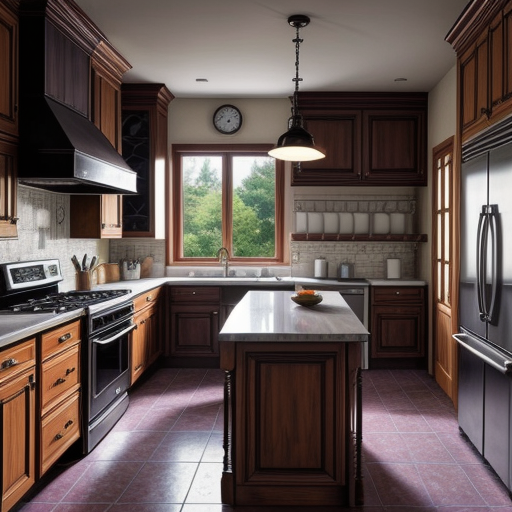
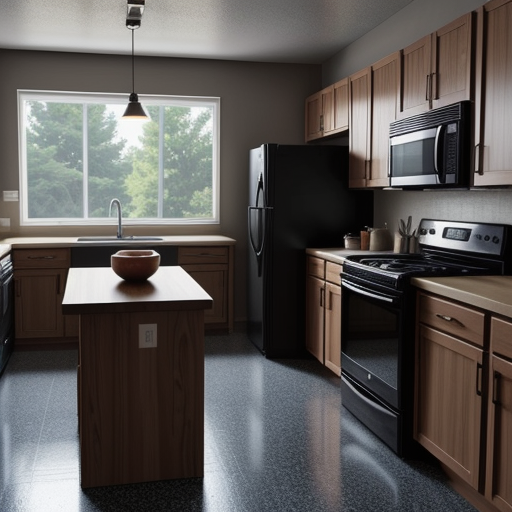
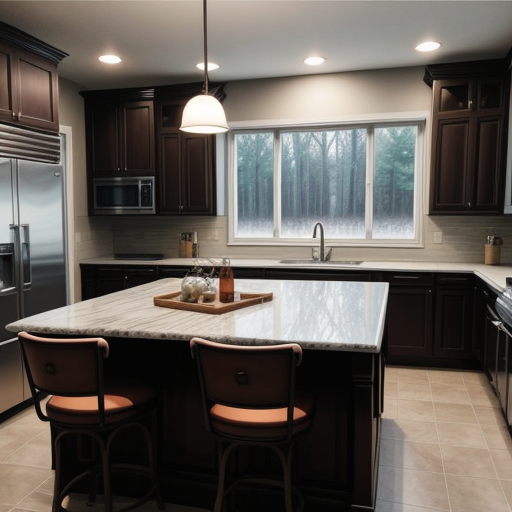
Furthermore, upgrading kitchen and laundry appliances to energy-efficient models can make a significant difference. Appliances with the ENERGY STAR label consume less energy and water, leading to cost savings over time. Since kitchens and laundry areas are crucial to any home, these updates can substantially raise your home's marketability.
Solar panels represent another significant energy-efficient improvement. While the upfront investment can be substantial, the long-term savings through reduced energy bills and the potential for government incentives often justify the cost. Solar panels signal a strong commitment to sustainability, enhancing property value and appeal.
Finally, consider implementing LED lighting throughout your property. LED bulbs use a fraction of the energy consumed by traditional incandescent bulbs and last significantly longer, reducing both energy consumption and maintenance costs.
In conclusion, energy-efficient home improvements not only create a more sustainable living environment but also enhance the market value and attractiveness of your property. By investing smartly in these upgrades, homeowners can enjoy reduced utility costs and potentially higher returns when it's time to sell their home.