When it comes to buying or selling a home, understanding the factors that influence real estate prices is essential. As a potential homebuyer or real estate enthusiast, having this knowledge can enhance your ability to make informed decisions in the market. In this article, we will explore 10 critical elements that can affect the pricing of real estate properties.
-
Location: Location is widely regarded as the most significant factor in real estate pricing. Homes situated in desirable neighborhoods with access to good schools, parks, shopping, and public transportation tend to command higher prices. The adage 'location, location, location' holds true as buyers often prioritize convenience and accessibility.
-
Economic Indicators: Economic factors, including employment rates, income levels, and economic growth, play a crucial role in determining real estate prices. A strong local economy with job growth attracts buyers, driving demand and consequently increasing property values.
-
Supply and Demand: The laws of supply and demand govern the real estate market. When inventory is low and demand is high, prices tend to rise. Conversely, when there are many homes for sale but fewer buyers, prices may decrease. Keeping an eye on housing inventory in your target market can provide insight into pricing trends.
-
Interest Rates: Mortgage interest rates significantly impact home affordability. When rates are low, buyers can afford more expensive homes, which can drive prices upward. Conversely, higher interest rates can deter potential buyers, leading to a decrease in property values.
-
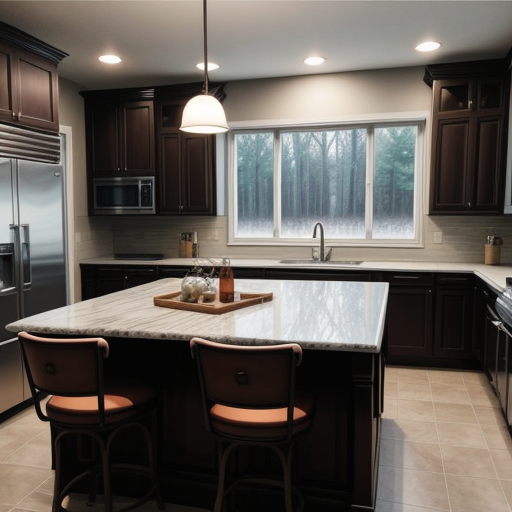
Property Condition: The physical state of a property can greatly influence its price. Well-maintained homes with modern updates often fetch higher prices than those needing repairs or renovations. Sellers should consider making improvements to increase their property's market appeal and value.
-
Local Market Trends: Real estate is highly localized, and market trends can vary significantly from one area to another. Staying informed about local market conditions, such as average sale prices and time on the market, can provide valuable insights into property values.
-
Neighborhood Development: Future developments in a neighborhood, such as new schools, shopping centers, or transportation infrastructure, can enhance property values. Buyers often seek areas with growth potential, knowing that future investments can lead to increased home equity.
-
Zoning Regulations: Local zoning laws can influence real estate prices by dictating the type of properties that can be built in a given area. Properties in zones that promote residential development are often more valuable than those in industrial or commercial zones.
-
Comparable Sales: Often referred to as 'comps,' the selling prices of similar homes in the area provide a strong basis for determining a property’s value. Real estate agents and appraisers analyze recent sales to estimate an appropriate price range for a property.
-
Seasonal Influences: The time of year can have a notable effect on real estate prices. Typically, the spring and summer months are seen as peak buying seasons, while winter may present slower sales. Understanding seasonal trends can aid sellers in timing their listings for maximum impact.
By considering these ten crucial factors, homebuyers and sellers can better navigate the complexities of the real estate market. Whether you are looking to purchase your dream home or sell an existing property, being aware of these influences can empower you to make sound decisions that align with your financial goals.