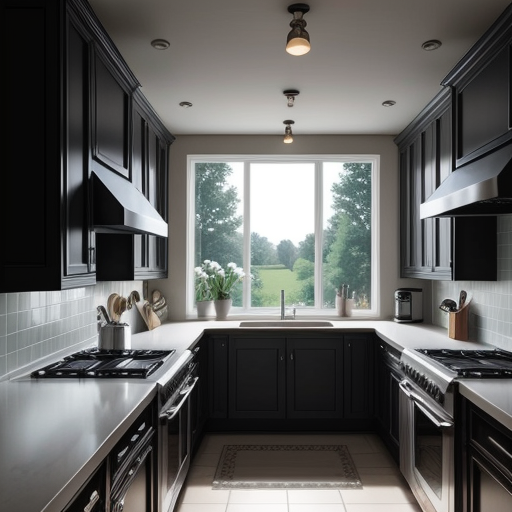
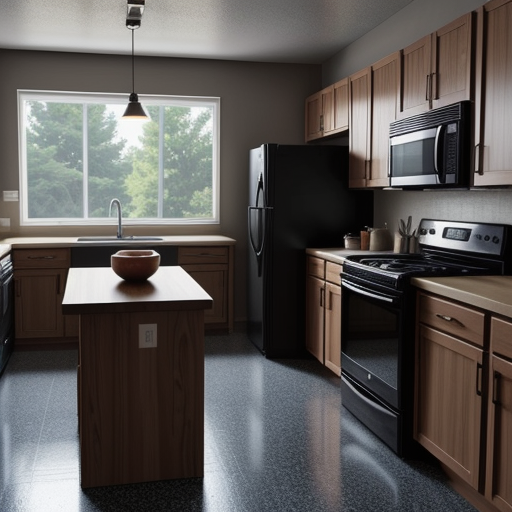
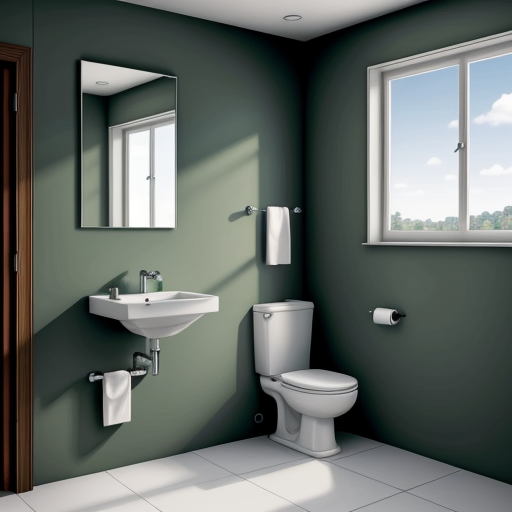
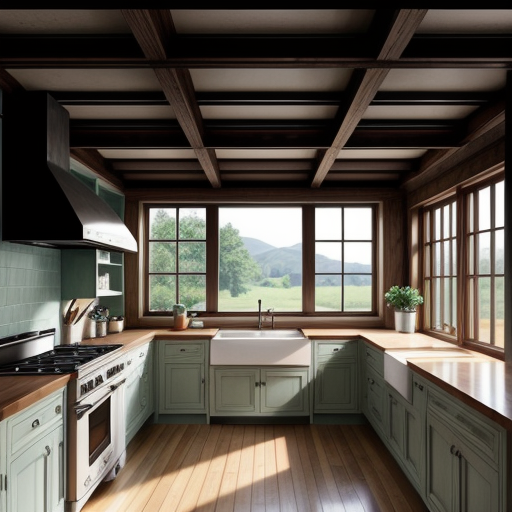
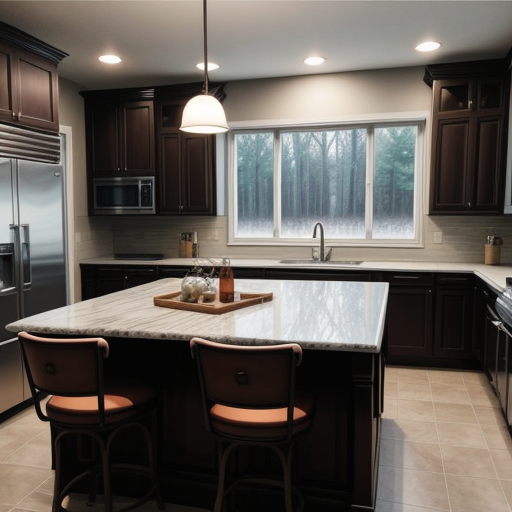
Renovating a home can be an exciting yet daunting task, and establishing a well-structured budget is crucial for success. Whether you're looking to update a kitchen, add a bathroom, or undertake a full-scale remodel, understanding how to create a realistic renovation budget will ensure you stay on track and achieve your desired outcomes.
Assess Your Needs and Goals The first step in creating your renovation budget is to clearly define your needs and goals. Write down what renovations you feel are necessary and any additional improvements you desire. Prioritize your list based on what is essential versus what would be nice to have. This will serve as a framework as you dive into financial planning.
Research Costs Once you have a clear idea of your renovation plans, conduct thorough research on the costs associated with each aspect of the project. This includes materials, labor, permits, and any professional services you might require, such as architects or interior designers. Websites, local home improvement stores, and even speaking with contractors can provide you with valuable insights. Establish rough estimates for these costs, keeping in mind that unexpected expenses may arise.
Determine Your Budget Next, determine how much money you can allocate towards the renovation. This involves a careful examination of your financial situation, including savings, disposable income, and whether you’ll need to finance part of the project. It's essential to be realistic about what you can afford without compromising your financial stability.
Include Contingency Funds When tackling home renovations, it’s wise to set aside a contingency fund—typically around 10-20% of your total budget. This reserve is crucial for managing any surprises that may come up during the renovation process, such as hidden damage, design changes, or fluctuating prices for materials.
Get Multiple Quotes Once you have a budget outline, consider obtaining multiple quotes from contractors and suppliers. Comparing estimates helps ensure you’re getting a fair price and gives you leverage in negotiations. Discuss your vision with potential contractors to understand their workflow and pricing structures, which may also help clarify your budget.
Monitor Your Spending As the renovation progresses, monitor your spending closely and adjust your budget where necessary. Regularly review your expenses against your projected budget to avoid overspending. Utilize budgeting tools or apps that can help you track your costs in real time, keeping your project on course.
Final Thoughts Creating a renovation budget is a foundational step that can make or break your home improvement project. By following these steps and remaining flexible yet disciplined in your financial planning, you can achieve the renovations that enhance your home's value and meet your lifestyle needs. Remember, a well-thought-out budget not only avoids surprises but also empowers you to make informed decisions throughout the renovation journey.