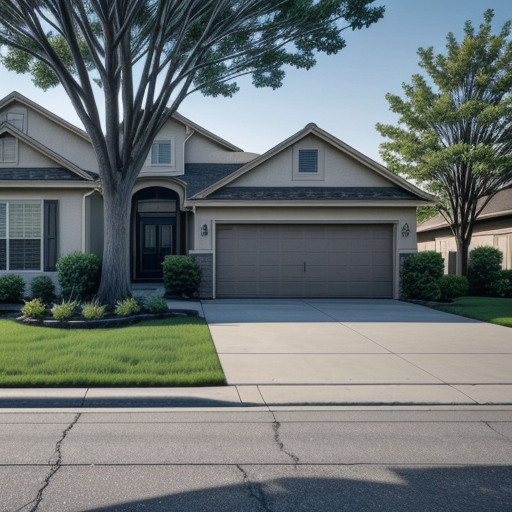
When it comes to purchasing a vacation property, navigating the financing options can be as thrilling as selecting the perfect getaway spot. Whether you're dreaming of a cozy cabin in the mountains or a beachfront retreat, understanding your financing options is crucial to making your dream a reality.
Firstly, traditional mortgage options are often available, but they come with stricter criteria than loans for primary residences. Lenders typically require a larger down payment, often ranging between 20% and 30%, and may also adjust loan terms based on the seasonal nature of vacation rentals. Additionally, buyers should be prepared to demonstrate a strong credit history and financial stability.
Secondly, consider leveraging home equity loans or lines of credit on your primary residence. This can be a cost-effective way to finance a vacation home purchase since the interest rates are usually lower compared to conventional financing options. However, it's essential to carefully evaluate the risk as this approach uses your primary residence as collateral.
For those who prefer alternative methods, personal loans or tapping into individual retirement accounts (IRAs) might be viable paths to consider. While these options often come with higher interest rates and tax implications, they provide flexible sources of funds without the need to satisfy stringent mortgage requirements.
Lastly, if your vacation property is intended for rental income, consider working with lenders who specialize in investment properties. These lenders understand rental income potential and can structure loans around expected revenue streams, offering tailored solutions that align with your investment goals.
Navigating the financing landscape for vacation properties demands research and careful planning. Consulting with financial advisors and real estate professionals can provide valuable insights, ensuring that your financing decisions align with your long-term goals and financial health.