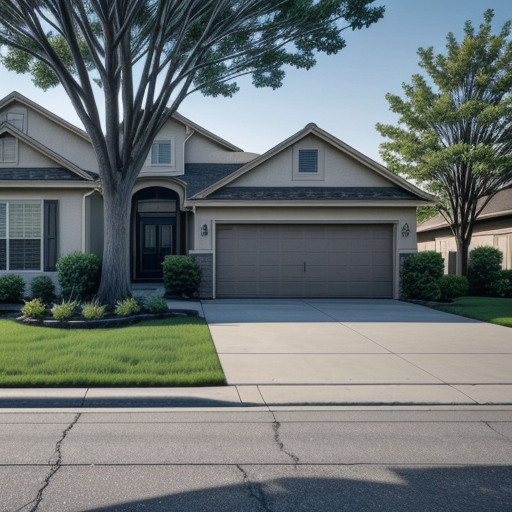
Embarking on a home renovation can be an exciting venture, whether you’re enhancing your living space or boosting your property’s market value. However, one critical element that often dictates the success of any renovation is the budget. Establishing a well-thought-out financial plan is crucial in ensuring that your renovation stays on track, both in terms of time and expenses.
Assess Your Goals and Priorities
Before breaking ground, it's essential to clearly identify your renovation goals. Are you looking to modernize your kitchen, add a new bathroom, or perhaps increase your home’s energy efficiency? Once your goals are clear, rank them by importance. Prioritizing what truly matters to you can significantly influence how your budget is allocated and help in making necessary trade-offs should costs exceed expectations.
Research Costs Thoroughly
Understanding the full scope of your renovation project requires comprehensive research. Start by gathering quotes from multiple contractors to get an average cost estimate. Don't forget to factor in permits, design fees, and potential increases in property taxes. Consider consulting with a professional estimator or using online tools that can provide a ballpark figure based on your area and renovation type.
Set Up a Contingency Fund
No matter how meticulously you plan, unexpected costs are inevitable in any renovation project. Allocating 10-20% of the total budget for unforeseen expenses is a smart move. This contingency fund will serve as a financial cushion so you're not caught off guard by surprises that may arise during the renovation.
Determine Your Financing Options
Decide how you will fund your renovation. Options might include savings, home equity loans, or personal loans. Carefully evaluate each choice, considering interest rates, application fees, and repayment terms. It might also be worthwhile to consult with a financial advisor to explore the best option tailored to your financial situation.
Track Your Expenditure
As your renovation progresses, diligently track your spending. Utilize tools or apps designed for budgeting to keep everything organized. Monitoring your budget closely not only helps in reducing unnecessary expenses but also provides a clear picture of your financial standing at any point during the renovation.
Review and Adjust Regularly
Renovations can be dynamic, with potential deviations from the original plan. Reviewing your budget periodically allows for necessary adjustments in real time. Be prepared to renegotiate with contractors or vendors and look for savings on materials without compromising quality.
Creating a budget for your renovation is an exercise in foresight and flexibility. By setting clear goals, researching thoroughly, and allowing for contingencies, you can ensure your renovation enhances your home without straining your finances.