In recent years, homeowners have increasingly turned toward sustainable landscaping as a key component in eco-friendly home living. Embracing eco-conscious methods not only enhances curb appeal but also conserves natural resources and promotes biodiversity. Here are some practical and impactful ideas to help transform your garden into a sustainable haven.
One of the most significant sustainable landscaping strategies is the selection of native plants. Native species are naturally adapted to the local climate and soil conditions, which means they require less water and fewer fertilizers or pesticides. By choosing native plants, you can create a landscape that attracts local wildlife, including pollinators like bees and butterflies, while reducing maintenance efforts.
Implementing a rainwater harvesting system can also greatly contribute to sustainability. By collecting rainwater in barrels, homeowners can reduce their reliance on municipal water supplies for irrigation purposes. This practice not only conserves water but can also lower utility bills, making it a cost-effective option.
Another impactful approach is to incorporate xeriscaping principles. Xeriscaping involves designing landscapes that minimize water use by employing efficient irrigation practices, such as drip irrigation, and selecting drought-tolerant plants. This method not only reduces water consumption but also decreases the need for fertilizers, further protecting the environment from potential runoff damage.
Composting is another invaluable tool in the arsenal of sustainable landscaping practices. By composting organic waste, homeowners can create nutrient-rich soil amendments, reducing the need for chemical fertilizers. This practice not only enriches the soil but also reduces overall yard and kitchen waste.
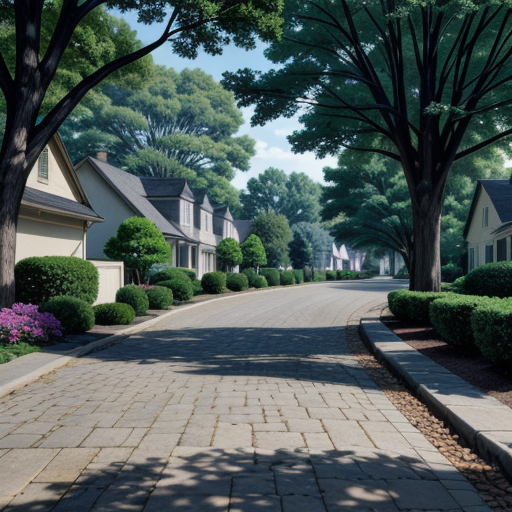
Moreover, integrating permeable paving solutions can help manage stormwater runoff effectively. Permeable materials such as gravel, permeable pavers, or porous asphalt allow rainwater to seep into the ground, reducing the strain on stormwater systems and mitigating the risk of flooding.
Lastly, creating wildlife habitats within your garden can significantly support local ecosystems. Consider installing birdhouses, bat boxes, or creating small ponds to encourage a diverse range of species to thrive in your garden. Such habitats not only foster biodiversity but can also enhance the aesthetic and tranquil qualities of your landscape.
Incorporating these sustainable landscaping ideas into your property can enhance its value while contributing to a more sustainable environment. By making conscious choices today, homeowners can enjoy beautiful, environmentally friendly gardens and landscapes for years to come.