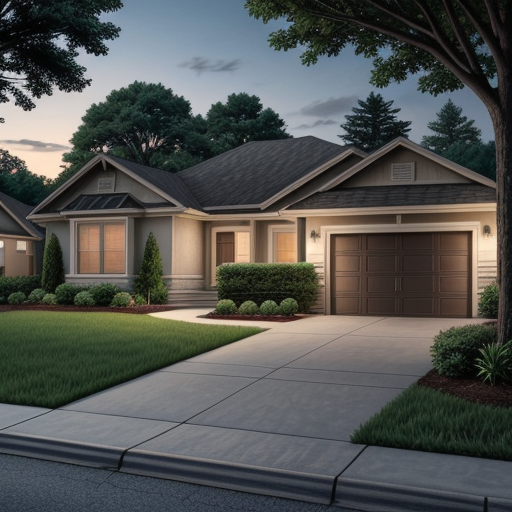
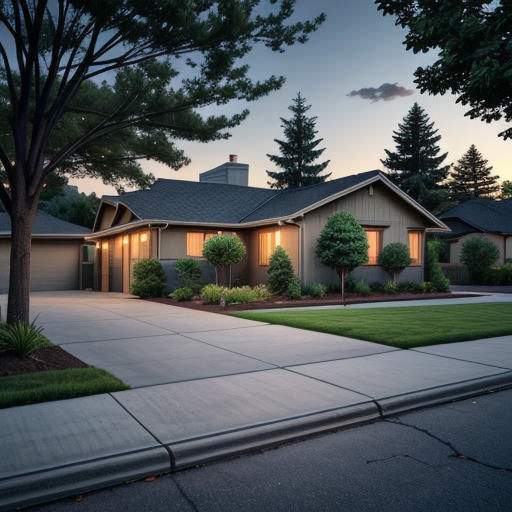
When it comes to protecting your home and loved ones, choosing the right home security system is of utmost importance. With various security options available, it can be overwhelming to decide which system best suits your needs. This guide will break down essential factors to consider, ensuring you make an informed decision.
1. Assess Your Security Needs Start by evaluating your specific security requirements. Consider the size of your home, the neighborhood's crime rate, and the value of your possessions. If you live in a high-crime area or have valuable items, you may want a more comprehensive system.
2. Types of Security Systems Security systems can be classified into three main types: monitored, unmonitored, and self-monitored systems. Monitored systems connect to a central monitoring station that alerts local authorities during emergencies. Unmonitored systems rely on alarms to alert you or your neighbors, while self-monitored systems send alerts to your phone. Choose one that aligns with your comfort levels and needs.
3. Choose the Right Features
Modern security systems offer a variety of features beyond basic alarms. Look for options such as:
- Security cameras with remote access
- Smart home integration (thermostats, lights, etc.)
- Motion sensors and door/window sensors
- Access controls for unlocking doors remotely
Evaluate which features are essential for your lifestyle, making sure to balance functionality with cost.
4. Evaluate Installation Options Consider whether you want a professionally installed system or a DIY setup. Professional installations often ensure proper functionality and can offer valuable advice on optimal placement of devices. DIY systems provide flexibility and usually cost less but may require tech savviness for setup and troubleshooting.
5. Research Brands and Reviews Take the time to research different security brands and read consumer reviews. Some reputable companies include ADT, Vivint, SimpliSafe, and Ring. These reviews can provide insights into performance, customer support, and reliability, helping you narrow down your choices.
6. Pricing and Contracts Home security systems vary widely in price depending on the services and features offered. Be sure to consider both upfront costs and ongoing monitoring fees. Additionally, review any contracts for hidden fees or long-term commitments—some companies might require lengthy contracts that could lock you in for multiple years.
7. Customer Support and Warranty Lastly, check out the customer support options provided by the security company. Ensure they offer 24/7 support and have a variety of contact methods. Additionally, inquire about warranty coverage for equipment, as this can give you peace of mind should any issues arise.
In conclusion, choosing the right home security system doesn’t have to be daunting. By assessing your needs, exploring different types of systems, considering necessary features, and doing thorough research, you can find a security solution that protects your home effectively.
Investing in a reliable home security system not only safeguards your property but also enhances the safety and peace of mind for you and your family.