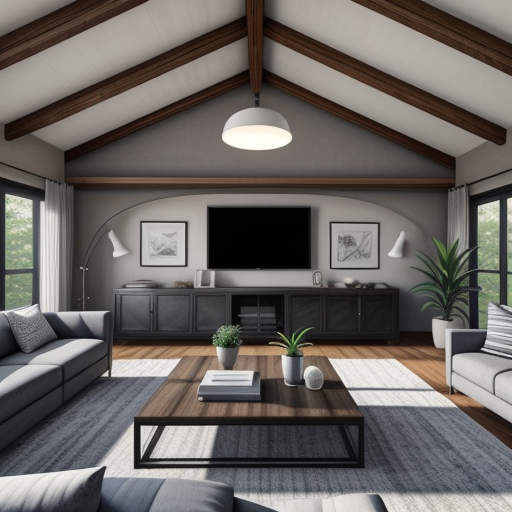
In today's eco-conscious world, increasing your home's energy efficiency not only benefits the environment but can also significantly reduce your utility bills. As a homeowner, making your property more energy-efficient involves a combination of simple changes and strategic investments. Here’s how you can effectively enhance your home’s energy profile.
Start with a comprehensive energy audit to understand where your home currently stands in terms of efficiency. This audit will help identify key areas of energy loss, such as poorly insulated windows or outdated appliances. Hiring a professional auditor can provide a detailed evaluation, but for a basic assessment, you can DIY by checking for drafts, inspecting insulation and monitoring energy consumption.
Updating your home’s insulation is one of the most impactful ways to improve energy efficiency. Ensure your attic, walls, and basement are properly insulated to prevent heat loss in the winter and keep your home cooler in the summer. This step is crucial in maintaining a consistent temperature and reducing the workload on your HVAC system.
Speaking of HVAC systems, regular maintenance is essential. Replace filters routinely and consider upgrading to a more efficient model if your system is aging. Programmable thermostats are another excellent investment, allowing you to optimize your heating and cooling schedule according to your lifestyle.
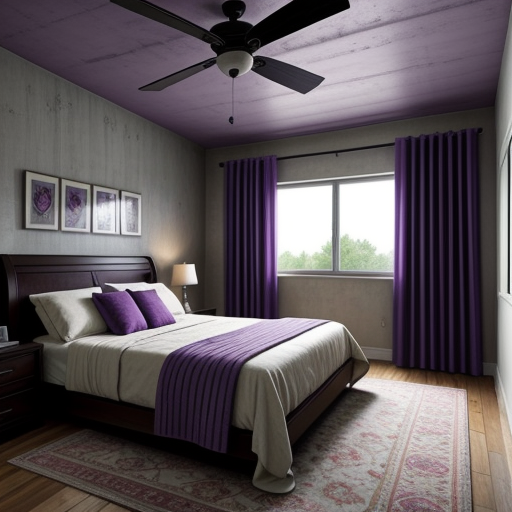
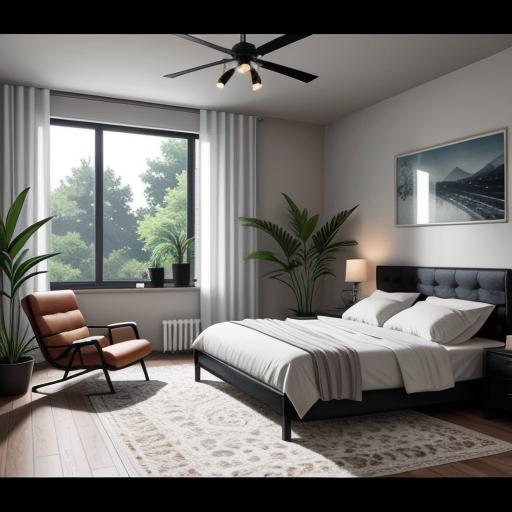
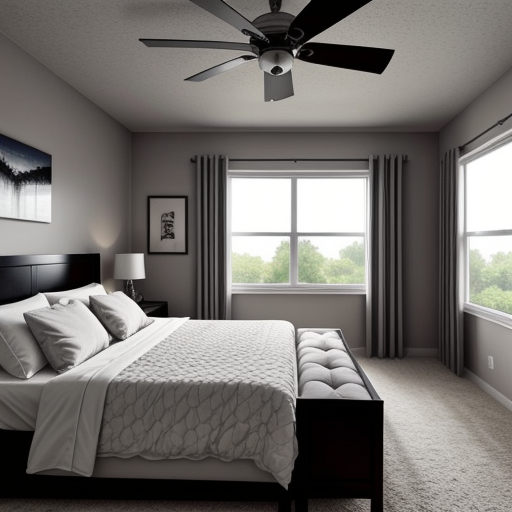
Windows play a significant role in energy efficiency. Consider installing double or triple-pane windows, which offer better insulation than single-pane varieties. Additionally, using heavy curtains or blinds can provide an extra layer of insulation.
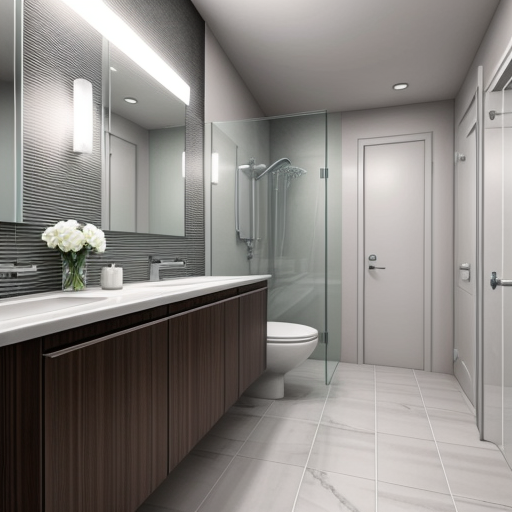
Water usage also contributes to energy costs. Install low-flow faucets and showerheads to reduce water consumption without compromising performance. Upgrading to a tankless water heater can further conserve both water and energy, as it heats water on demand rather than maintaining a tank of hot water.
Don’t overlook the impact of lighting. Switching to LED bulbs can massively decrease your energy usage, as they last significantly longer and use less power compared to incandescent bulbs. Moreover, consider incorporating smart lighting systems that can automatically adjust based on the time of day or room occupancy.
Lastly, generate your own energy through renewable sources. Installing solar panels can initially require a substantial investment but can lead to long-term savings and even allow you to sell excess power back to the grid. Additionally, utilize home energy monitors to track your energy consumption patterns and make informed decisions about your energy usage.
Improving your home's energy efficiency is not just about the potential savings—it’s about enhancing your home's comfort, minimizing its environmental impact, and even increasing its resale value. By taking these steps, you’re investing in a more sustainable future for your home.