Evaluating a home’s resale value is crucial for prospective buyers and seasoned investors alike. Understanding a property's potential future market value can impact financial decisions and long-term investment strategies, ensuring that the purchase aligns with one's financial goals. Below, we delve into significant factors influencing a home's resale value.
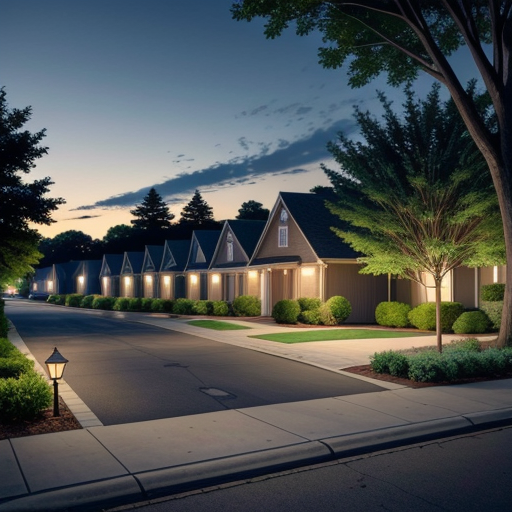
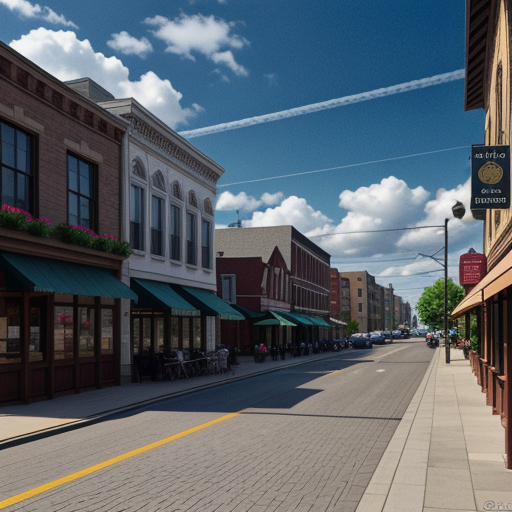
1. Location: The old adage, "location, location, location," holds substantial weight in real estate. The desirability of a neighborhood affects property values. Consider the proximity to schools, public transportation, shopping centers, and parks. Researching neighborhood trends, such as future development plans, crime rates, and historical price increases, can provide insights into potential appreciation.
2. Market Conditions: Current and expected market conditions play a pivotal role in determining resale value. A buyer's market might offer purchasing opportunities, but selling in such conditions may affect potential gains. Understanding economic indicators, such as interest rates and employment figures, can help predict market shifts. Stay informed by following local real estate news and engaging with market reports.
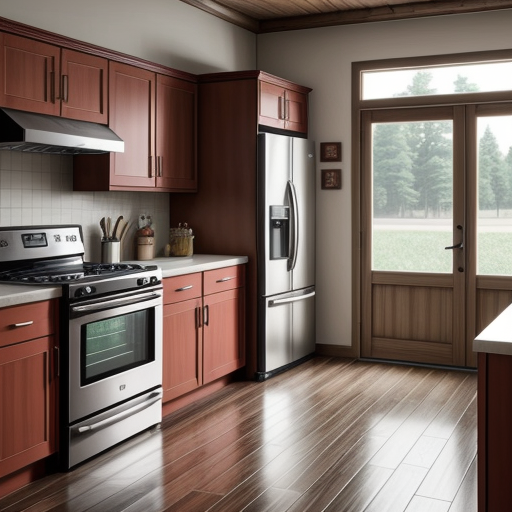
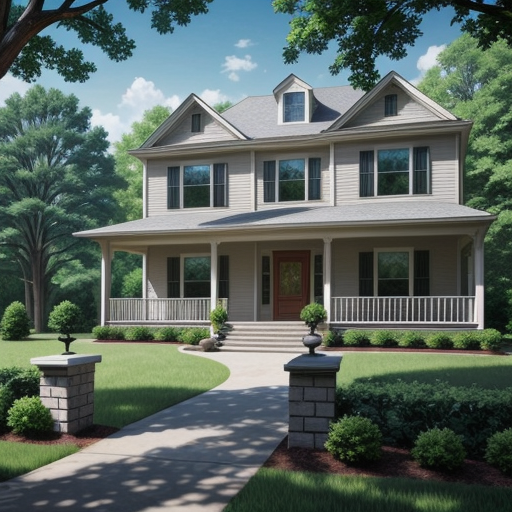
3. Property Features: A home's physical attributes, such as size, layout, and condition, significantly impact its resale value. Modern kitchens, updated bathrooms, and energy-efficient features are attractive to buyers and can help command a higher price. Compare the home to similar properties, known as comparables or "comps," within the area to gauge its value and prospective demand.
4. Quality of Local Schools: For families, schools are a critical factor in home buying decisions. Even for those without children, the reputation of nearby schools can significantly influence property values. Homes in top-rated school districts tend to appreciate more rapidly and maintain their value during market downturns.
5. Historical Data: Studying past sales data within a neighborhood can offer valuable insights into a home's potential resale value. Analyze how similar properties have appreciated over time and consider any unique characteristics of the property that could influence its appeal.
6. Future Development: Nearby infrastructure projects and new developments can boost property values by enhancing the appeal of a neighborhood. Keep an eye on municipal planning documents or attend local town hall meetings to stay informed about upcoming developments.
In conclusion, evaluating a home’s resale value requires both market knowledge and attention to detail. By considering location, market conditions, property features, school quality, historical data, and future development, buyers can make informed decisions that align with their financial and lifestyle goals.