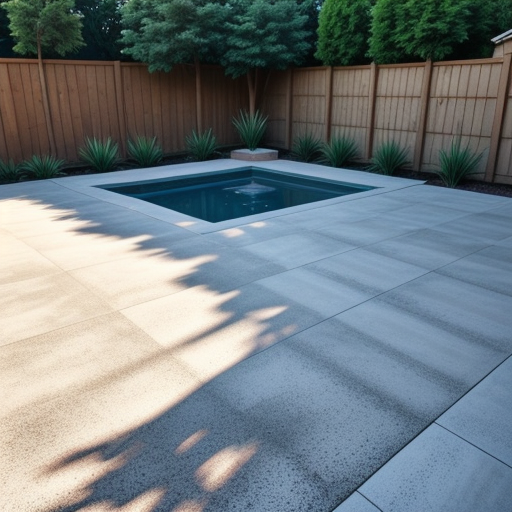
Maintaining a property requires strategic planning and regular attention to detail, whether you're managing a single-family home or a more extensive real estate portfolio. Effective property maintenance not only preserves the property's value but also enhances living conditions, ensuring tenant satisfaction and prolonging the life of your investment. Here are some essential tips for efficient property upkeep that can make a significant difference.
Firstly, establish a regular inspection routine. Conducting scheduled inspections can help identify potential issues before they escalate into costly repairs. Check for signs of wear and tear in plumbing, electrical systems, roofs, and common spaces. Routine inspections also ensure compliance with local safety standards, providing peace of mind to both tenants and property owners.
Secondly, adopt a proactive maintenance approach. Instead of waiting for things to break down, attend to small repairs as they come up. Fixing a leaky faucet or replacing a malfunctioning lock promptly can prevent more severe problems from occurring. Proactive maintenance not only saves money in the long run but also helps maintain tenant satisfaction, as it demonstrates your commitment to providing a safe and comfortable living environment.
Thirdly, consider investing in quality materials and skilled labor. When it's time to update or repair, choosing higher-quality materials can extend the lifespan of property features and fixtures. Similarly, hiring experienced contractors ensures that maintenance work is completed to a high standard, reducing the likelihood of future issues arising.
Another key tip is to streamline communication. Establish a reliable system for tenants to report maintenance issues and ensure that there is a clear process for responding to these requests. Whether through a dedicated online portal or a 24/7 phone line, efficient communication encourages tenants to report problems early, minimizing potential damage and facilitating prompt repairs.
Finally, focus on preventative maintenance. Schedule regular servicing for major systems such as HVAC, plumbing, and electrical to maintain their efficiency and functionality. Cleaning gutters, applying pest control measures, and winterizing the property are examples of preventative strategies that can safeguard the property from damage and preserve its integrity.
In conclusion, effective property maintenance is a blend of regular inspections, proactive repairs, quality resources, efficient communication, and preventative strategies. By implementing these tips, property owners and managers can ensure their investments remain in excellent condition, fostering both tenant satisfaction and property value retention over time.