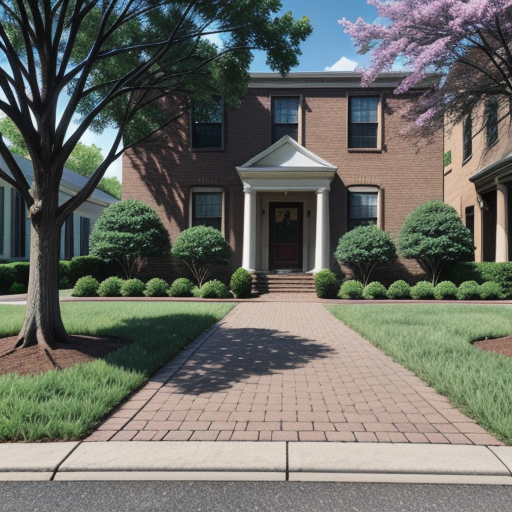
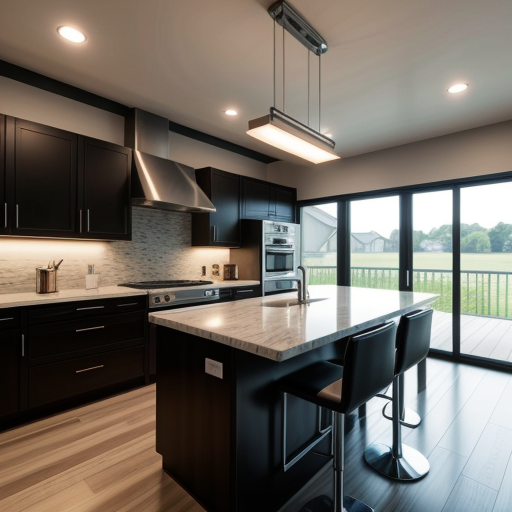
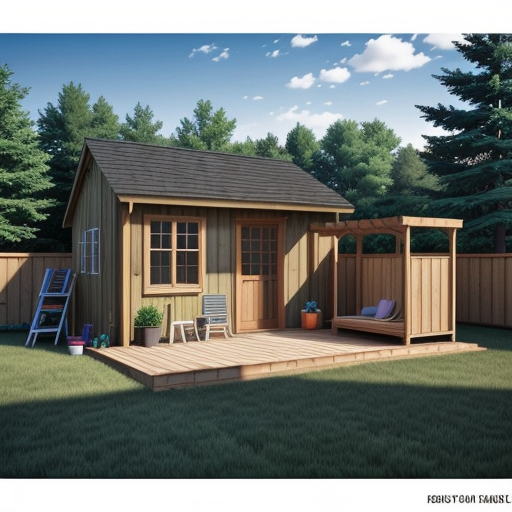
A proactive approach to home maintenance is crucial for preserving and enhancing the value of your property. Developing an effective home maintenance schedule helps homeowners address routine tasks and prevent potential issues before they become costly repairs. Here’s how you can create a comprehensive home maintenance plan that aligns with your specific needs and the demands of your home.
-
Conduct a Thorough Home Inspection: Begin by assessing your home’s current condition. This should include inspecting major systems such as plumbing, electrical, heating, and cooling. Pay attention to the state of your roof, foundation, windows, and exterior surfaces. Documenting these observations will help you prioritize tasks.
-
List Routine Tasks by Frequency: Divide maintenance tasks into categories based on the frequency of execution, such as monthly, quarterly, bi-annually, and annually. Monthly tasks might include checking HVAC filters and smoke detector batteries, while seasonal tasks could involve gutter cleaning and HVAC servicing.
-
Align Tasks with Seasonal Changes: Different seasons come with distinct maintenance needs. For instance, in the spring, focus on checking your home’s exterior for any winter damage and prepare your garden. Conversely, winter preparations might include insulating pipes and sealing gaps in windows and doors.
-
Set Reminders and Use a Calendar: Utilize digital tools, like mobile apps and digital calendars, to set reminders for upcoming tasks. This ensures you stay on track throughout the year and don’t overlook essential maintenance activities.
-
Prioritize Safety: Always prioritize tasks that directly impact the safety of your home. Ensure fire extinguishers are operable, and all safety devices such as cut-off switches, are in working order. Regularly check for potential health hazards like mold or pest infestations.
-
Budget for Maintenance Costs: Anticipate expenses for maintenance supplies and services in your annual budget. This helps mitigate financial strain when unexpected repairs arise and ensures that critical maintenance isn't deferred due to cost constraints.
-
Hire Professionals When Necessary: While DIY maintenance can save money, certain tasks require professional expertise. Don’t hesitate to hire licensed professionals for complex or potentially hazardous projects like electrical work and roof repairs.
By following these guidelines, homeowners can formulate a reliable maintenance schedule that preserves their home’s integrity, ensures safety, and ups the property value. A regular maintenance routine reflects diligence and can greatly reduce unforeseen repair costs, making it an essential component in smart property management.