In today's increasingly eco-conscious world, homeowners are seeking ways to make their residences more energy efficient. Not only does this contribute to a healthier planet, but it also leads to significant savings on energy bills. Here are some effective strategies to enhance the energy efficiency of your home.
1. Upgrade Insulation: Proper insulation is vital for maintaining a comfortable indoor temperature. Check the insulation in your attic, walls, and floors. Consider upgrading materials to newer, more efficient types, which can dramatically reduce heating and cooling costs.
2. Seal Leaks: Air leaks around doors and windows can significantly affect energy efficiency. Use weatherstripping or caulk to seal gaps and cracks. Doing so prevents heated or cooled air from escaping, leading to a more stable indoor climate.
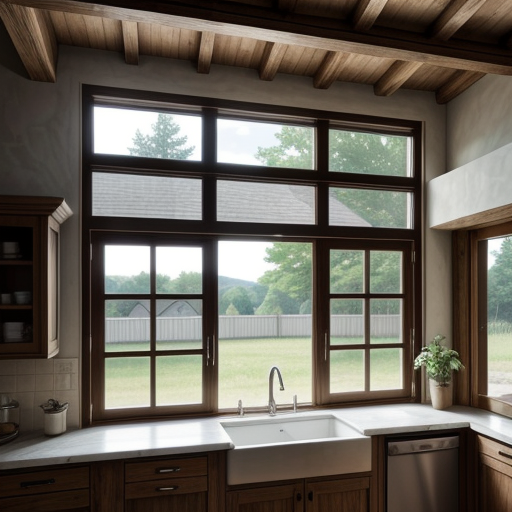
3. Invest in Energy-Efficient Windows: If your windows are old, consider replacing them with energy-efficient models. Look for double or triple-pane windows with low-E coatings that reflect heat back into your home during winter and keep it out during summer. This investment can pay off in reduced energy costs over time.
4. Upgrade Your Heating and Cooling Systems: Old HVAC systems can be energy hogs. If your system is over ten years old, consider upgrading to a newer, energy-efficient model that uses less energy to heat and cool your home. Additionally, regular maintenance can enhance the performance and longevity of your current system.
5. Utilize Smart Technology: Smart thermostats and energy monitoring systems allow you to closely track your energy usage. They can help you optimize energy consumption based on your daily routine, leading to additional savings.
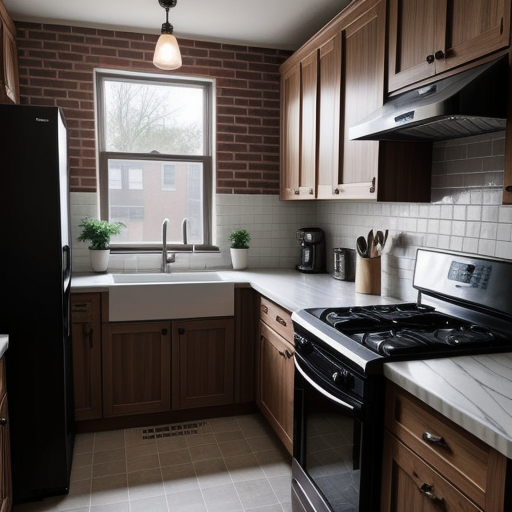
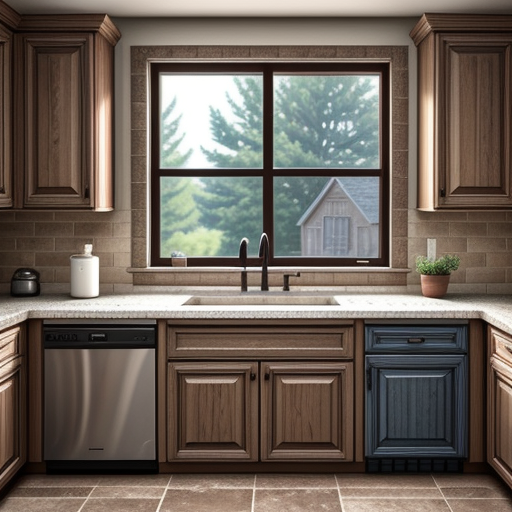
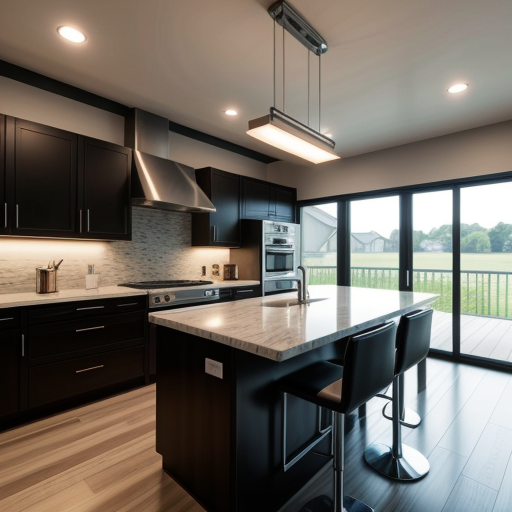
6. Incorporate Energy-Efficient Appliances: When it's time to replace appliances, look for ENERGY STAR-rated products. These appliances use significantly less energy than standard models, contributing to lower utility bills and a smaller carbon footprint.
7. Consider Renewable Energy Sources: If your budget allows, explore the possibility of installing solar panels. While the upfront cost can be substantial, they can dramatically reduce or even eliminate your electricity bills in the long run.
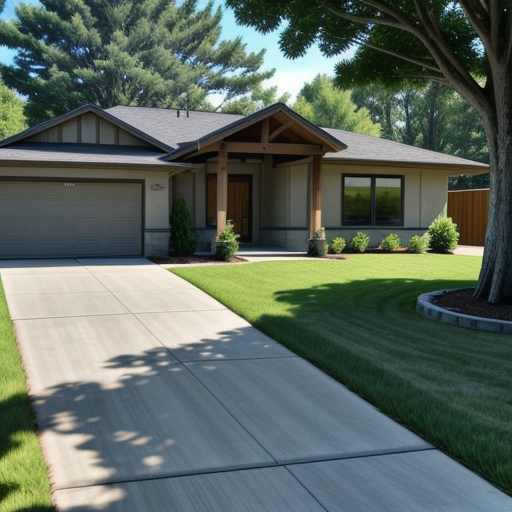
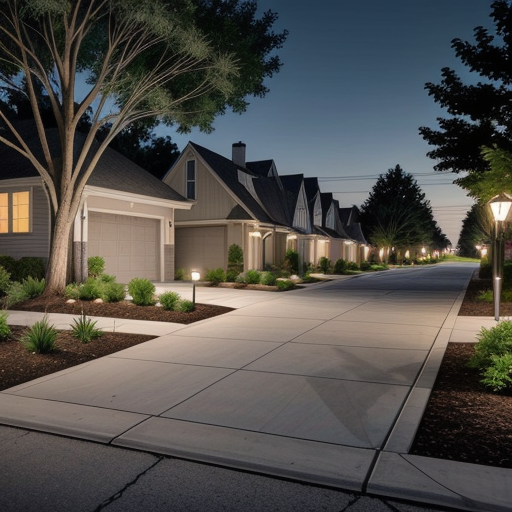
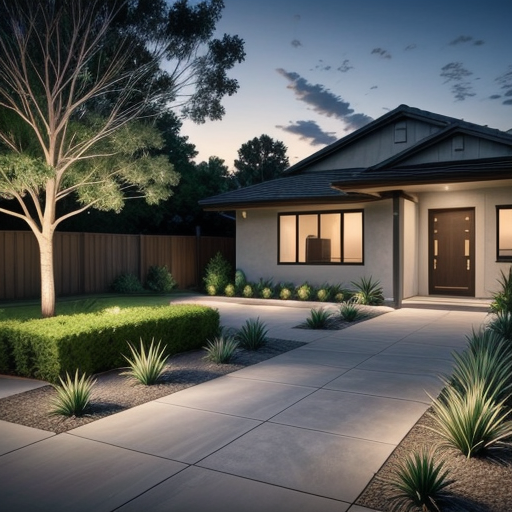
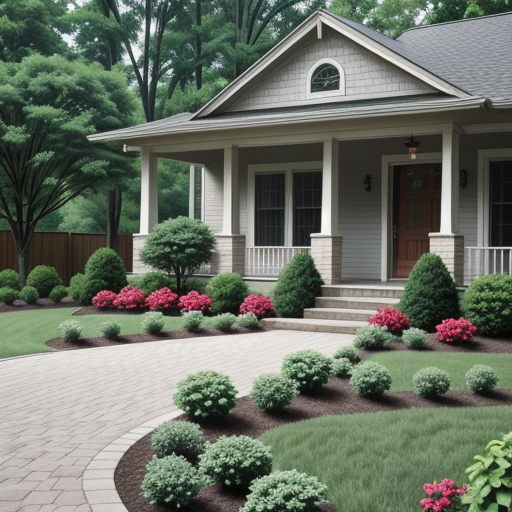
8. Landscaping for Efficiency: Strategically planting trees or installing awnings can provide natural shade during hot months, reducing the need for air conditioning. Additionally, consider xeriscaping or using drought-resistant plants to save on watering costs.
9. Practice Energy-Efficient Habits: Simple lifestyle changes can also make a difference. Turn off lights in unoccupied rooms, unplug devices when not in use, and only run dishwashers and washing machines with full loads. These small adjustments can add up over time.
Conclusion: Making your home more energy efficient is manageable with various options available for homeowners. By implementing these strategies, you'll not only reduce your environmental impact but also create a more comfortable living space and save money in the long run. As energy costs continue to rise, investing in energy efficiency will remain a wise and meaningful choice for your home.