In today’s real estate market, energy efficiency is more than just a trend. It’s a crucial component that can significantly enhance a home's appeal and value. As potential buyers increasingly prioritize sustainability and lower energy costs, implementing energy-efficient improvements in a home can position it well in competitive markets.
Investing in energy-efficient upgrades not only reduces utility bills but also stands as a testament to a homeowner's commitment to sustainability. This can often result in younger eco-conscious buyers gravitating towards these homes. Furthermore, these enhancements frequently qualify for various government incentives, allowing homeowners to offset some of the upfront costs.
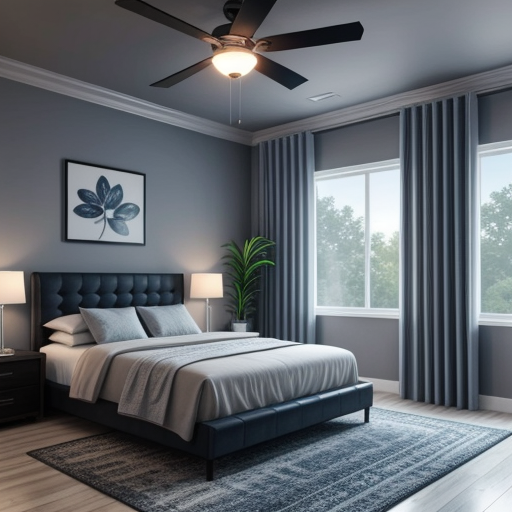
One of the most impactful improvements is upgrading insulation. Ensuring that walls, attics, and floors are well-insulated can maintain temperature stability, thus reducing the need for excessive heating or cooling. Similarly, a smart thermostat is a relatively low-cost improvement that provides precise control of energy usage, demonstrating tangible savings throughout the year.
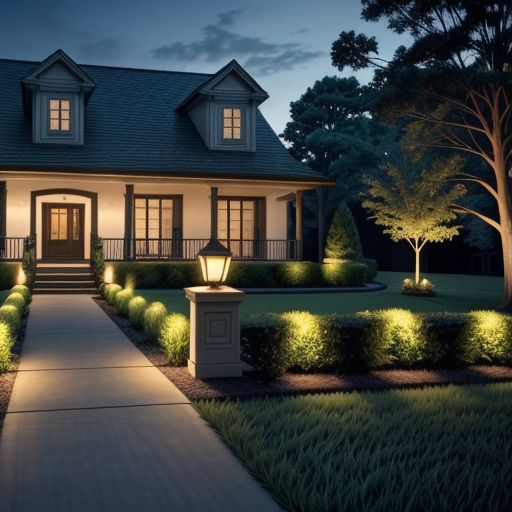
Replacing traditional incandescent light bulbs with LED lighting throughout the home is another straightforward upgrade. LEDs consume significantly less electricity and have a longer lifespan, offering cost savings in energy bills and bulb replacement over time.
For those looking for a more substantial commitment, solar panel installations are becoming increasingly popular. While the initial investment can be sizeable, the long-term savings, potential for energy rebates, and increase in property value make solar panels an attractive option for many.
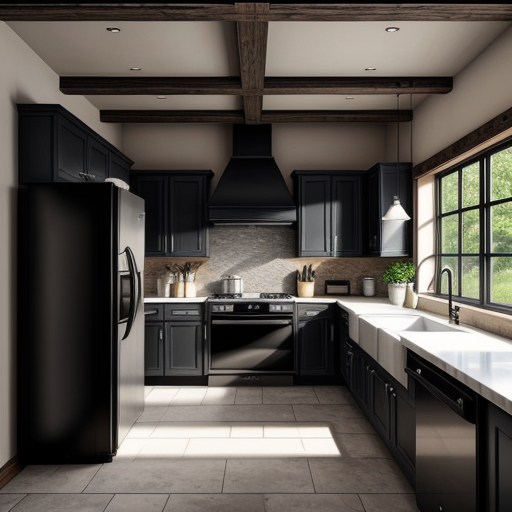
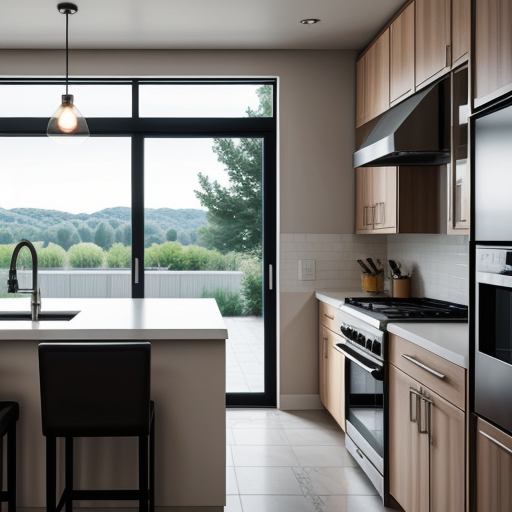
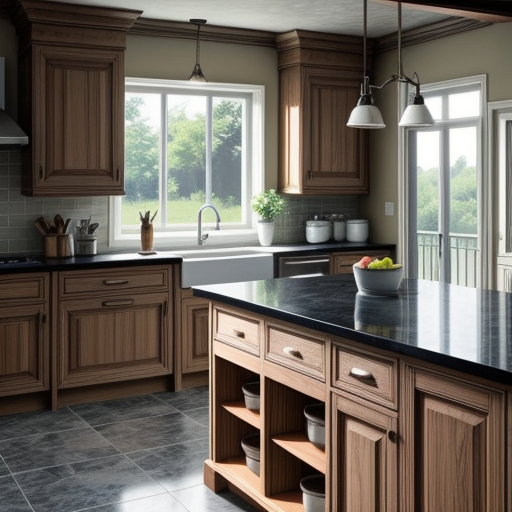
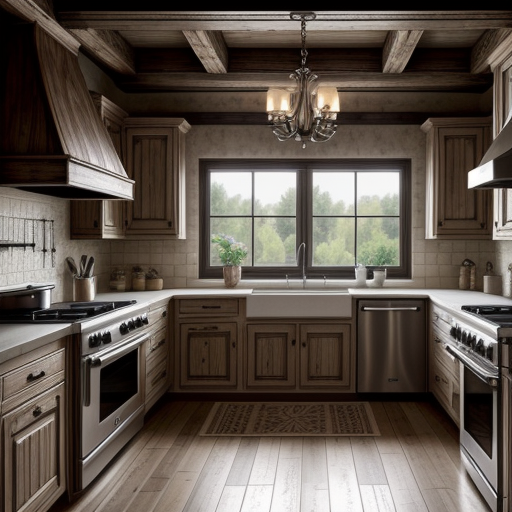
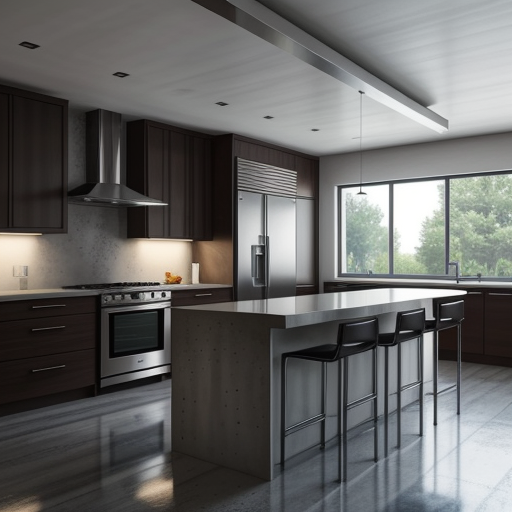
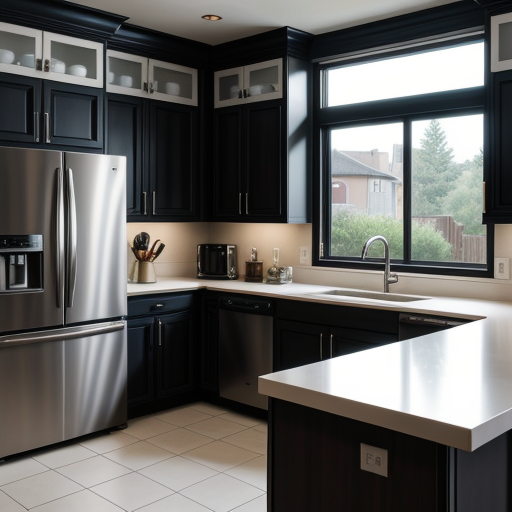
Lastly, energy-efficient appliances, while often overlooked, play a vital role in a comprehensive energy-efficiency strategy. Modern appliances typically offer improved performance with reduced energy use, contributing to overall lower energy costs and a reduced carbon footprint.
As homeowners consider making these upgrades, it's critical to prioritize projects that offer the most significant return on investment. By carefully selecting energy-efficient improvements, sellers can enhance their property's value and appeal to a broader range of environmentally conscious buyers.