In today's environmentally conscious society, enhancing the energy efficiency of your home is not only beneficial for the planet but also for your utility bills. By making a few strategic improvements, homeowners can significantly reduce their energy consumption and improve their property's overall value.
First and foremost, consider upgrading your home's insulation. Proper insulation ensures that your home retains heat during winter and stays cool during summer, decreasing the reliance on heating and cooling systems. Areas such as attics, walls, and basements are particularly important to insulate effectively.
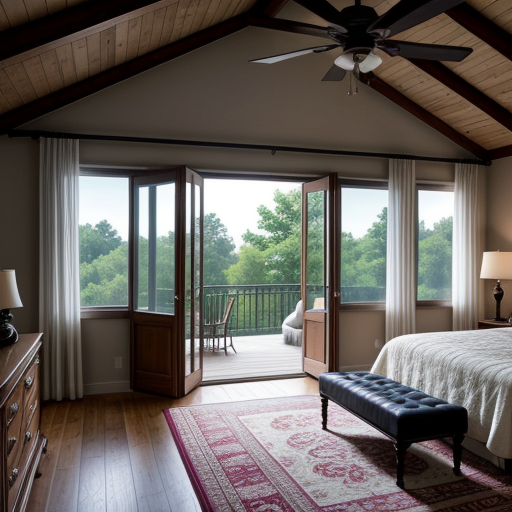
Next, evaluate the efficiency of your home's windows and doors. Drafty windows and doors are common culprits of energy loss. Installing double or triple-glazed windows, adding weather stripping, or using insulating curtains can mitigate this issue.
Another impactful change is updating your heating, ventilation, and air conditioning (HVAC) systems. Energy-efficient models, though initially more expensive, often result in substantial savings in the long run. Regular maintenance is also key to ensuring these systems operate efficiently.
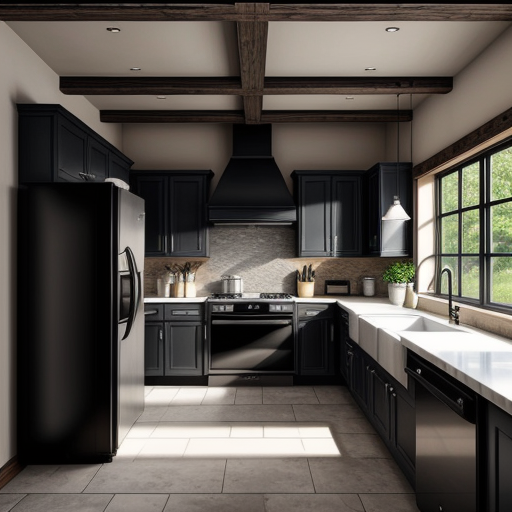
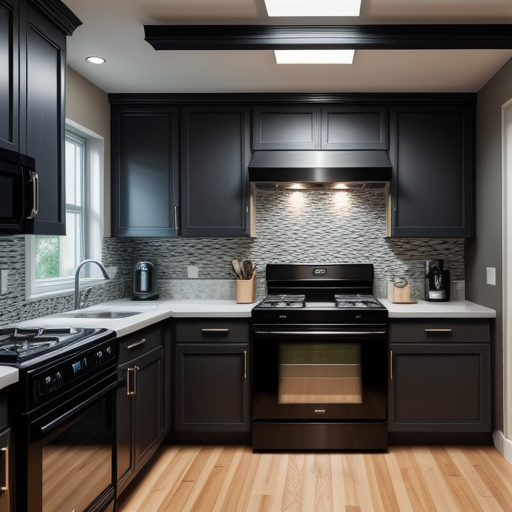
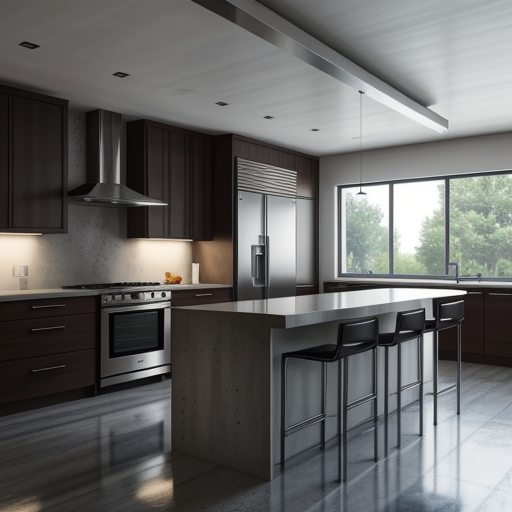
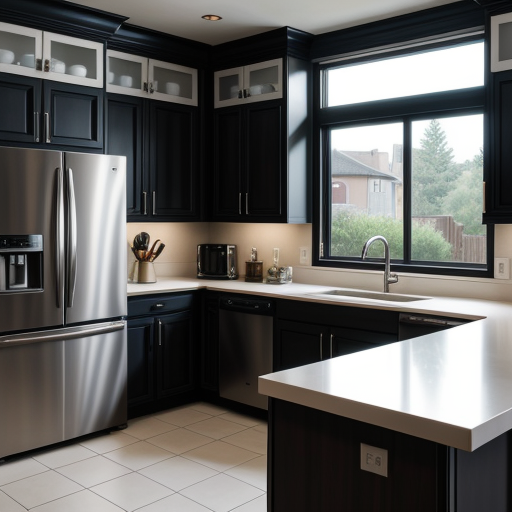
Switching to energy-efficient appliances is yet another effective strategy. Look for the ENERGY STAR label when purchasing new appliances as these are designed to use less energy without sacrificing performance.
Additionally, consider integrating smart home technology, such as programmable thermostats and energy management systems, which allow for greater control over energy use and can pinpoint further areas where efficiency can be improved.
Transitioning to renewable energy sources is gaining popularity among homeowners as well. Solar panels, while costly upfront, can offer long-term reductions in energy costs and may even yield government incentives.
Every small step you take towards making your home more energy-efficient contributes to considerable environmental benefits and reduces your carbon footprint. Implementing even a few of these strategies can make a notable difference in your home's energy performance.