Improving the energy efficiency of your home is a strategic way to reduce utility bills and minimize your carbon footprint. With increasing attention on sustainable living, homeowners are seeking effective methods to enhance their property's energy performance. Here’s how you can make your home more energy efficient:
1. Conduct an Energy Audit Start by conducting an energy audit to identify areas where your home is losing energy. Professional auditors use specialized tools to gauge your home's energy efficiency accurately, but several online tools or DIY kits can also help if you prefer a more hands-on approach.
2. Seal Gaps and Cracks One of the easiest ways to improve energy efficiency is by sealing gaps and cracks around windows, doors, and other openings. Using caulk and weatherstripping can prevent air leaks, maintaining a consistent indoor temperature and reducing the strain on your heating and cooling systems.
3. Upgrade Insulation Proper insulation plays a critical role in energy conservation. Ensure that your attic, walls, floors, and crawlspaces are well-insulated. If you live in an older home, upgrading to modern insulation materials can significantly impact energy consumption.
4. Replace Inefficient Windows Switching to double or triple-glazed windows can drastically reduce energy loss. Energy-efficient windows are designed to keep your home cool in the summer and warm in the winter, lessening the dependency on HVAC systems.
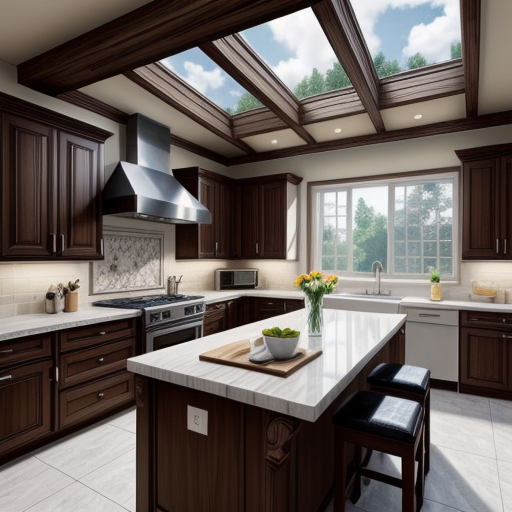
5. Install Energy-Efficient Appliances Investing in energy-efficient appliances, such as refrigerators, dishwashers, and washing machines, can lead to substantial energy savings over time. Look for appliances with the Energy Star label, which certifies that the product meets energy efficiency guidelines set by the EPA.
6. Utilize Smart Home Technology Incorporating smart thermostats and energy management systems allow you to control and optimize energy use remotely. These devices learn your habits and adjust the heating and cooling automatically, ensuring maximum efficiency.
7. Implement Renewable Energy Sources Consider integrating renewable energy sources like solar panels or wind turbines into your home. While the initial investment is significant, long-term savings and potential tax incentives make it a viable option for increasing energy efficiency.
8. Upgrade Lighting Switching from traditional incandescent bulbs to LED lighting can save a considerable amount of energy. LEDs are more efficient, last longer, and reduce the overall energy load of your home lighting system.
Implementing these strategies will not only lower your energy bills but also contribute to a more sustainable lifestyle. A commitment to energy efficiency is not just a personal benefit but a crucial investment in the environment and the future.