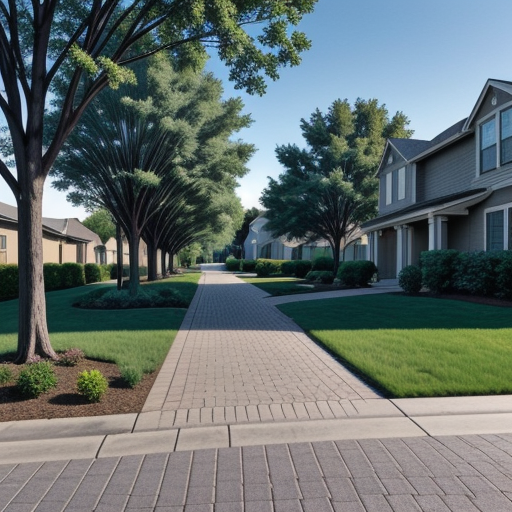
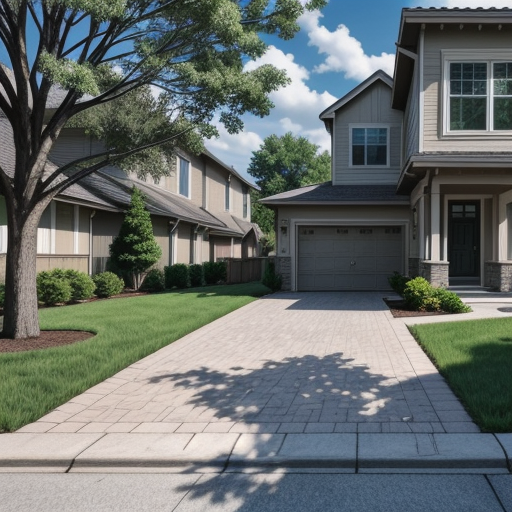
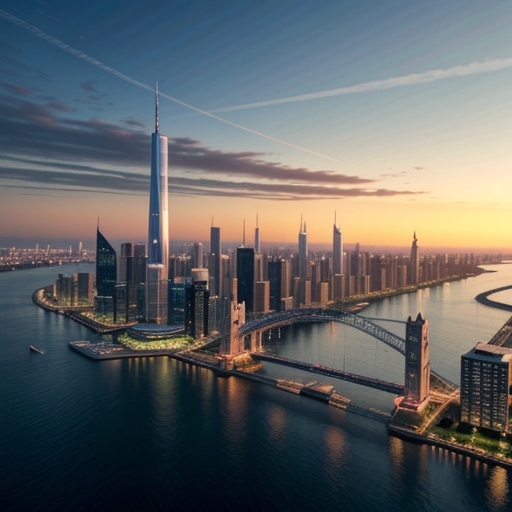
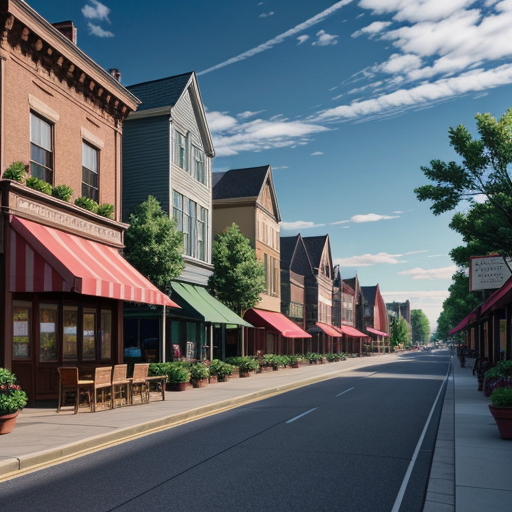
Infrastructure development plays a pivotal role in shaping the landscape of real estate markets. It encompasses a wide array of physical structures and systems, including roads, bridges, public transport, parks, and utilities that are essential for communities to thrive. As cities continue to expand and evolve, understanding the effects of these developments on property values becomes crucial for both home buyers and investors.
One of the most significant ways infrastructure affects real estate is through accessibility. Improved transportation networks can significantly increase the desirability of a location. For instance, a new highway or public transit line can reduce commute times, making neighborhoods more appealing to potential buyers. This heightened demand often leads to an increase in property values, as more individuals seek to reside in areas with easier access to work, school, and entertainment.
Moreover, infrastructure projects can enhance the overall quality of life in a community. Development of parks, recreational facilities, and cultural institutions fosters a sense of community and makes neighborhoods more attractive. Homes situated near well-maintained parks or community centers tend to see an uptick in demand, thereby increasing their market value. Additionally, these improvements can draw in new businesses, creating job opportunities and further stimulating the local economy.
On the other hand, it is essential to consider the potential negative impacts of some infrastructure projects. For example, increased traffic resulting from new developments can deter home buyers. Properties located near major highways or noisy transit systems may experience price depreciation due to the associated inconveniences. Thus, a careful evaluation of the type and scale of infrastructure developments is essential for prospective buyers.
Another factor to consider is the long-term vision and sustainability of infrastructure projects. Community planning should prioritize green and sustainable initiatives that cater to evolving demographics and environmental challenges. Developments that integrate eco-friendly technologies and promote sustainable living are increasingly appealing to today's conscientious buyers, thus contributing positively to property values.
In conclusion, evaluating the impact of infrastructure development on real estate requires a multifaceted approach. Buyers and investors must consider a range of factors, including accessibility, quality of life, potential drawbacks, and sustainability practices. By thoroughly analyzing these elements, stakeholders can make informed decisions that align with their investment goals and lifestyle preferences. It is advisable to consult with local real estate agents who possess in-depth knowledge of infrastructure projects and their potential repercussions in specific markets, ensuring that any property purchase is a sound investment for the future.