Creating a sustainable garden not only enhances your home's aesthetic appeal but also contributes positively to the environment. As a real estate professional, understanding the benefits of an eco-friendly garden can be a valuable selling point for potential homebuyers. Here’s how you can cultivate a beautiful and sustainable garden.
Start with planning. Determine the layout of your garden, considering sunlight, soil type, and existing structures. Aim to work with native plants, as they require less water and maintenance than exotic species. Native plants are well-adapted to the local climate, resist pests naturally, and contribute to the region’s biodiversity.
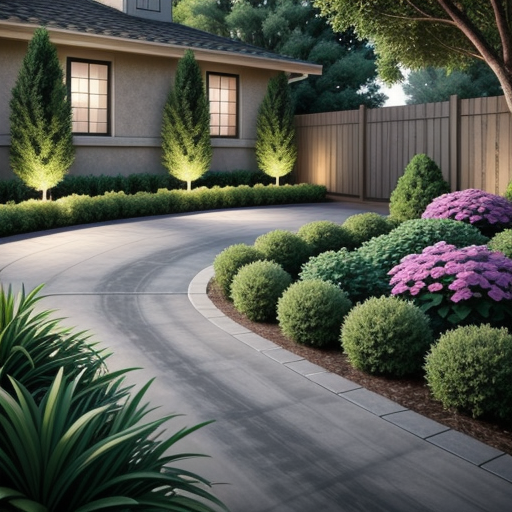
Implement water conservation techniques. Install rain barrels to collect runoff from gutters, which can then be used to water your garden. Additionally, opt for drip irrigation systems instead of overhead sprinklers to minimize water waste and target root zones directly. Incorporate mulch to retain moisture in the soil and reduce evaporation.
Focus on soil health. Composting is key to creating sustainable soil. Use kitchen scraps and yard waste to create rich, organic compost that can be used to enrich your soil. This reduces the need for chemical fertilizers and promotes healthy plant growth.
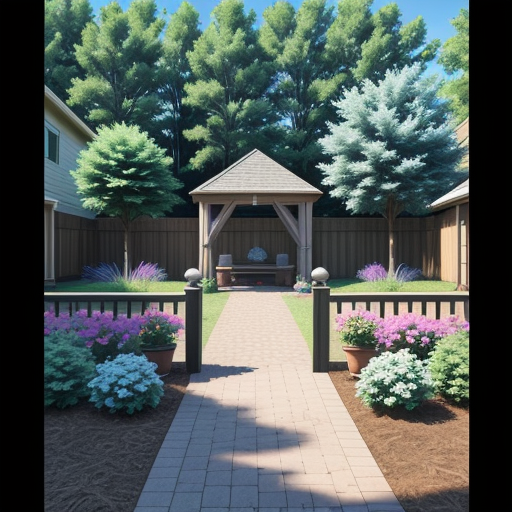
Encourage biodiversity. Introduce a variety of plants, including flowers that attract pollinators like bees and butterflies. Consider adding bird feeders and bat houses to encourage wildlife to your garden, which promotes a balanced ecosystem.
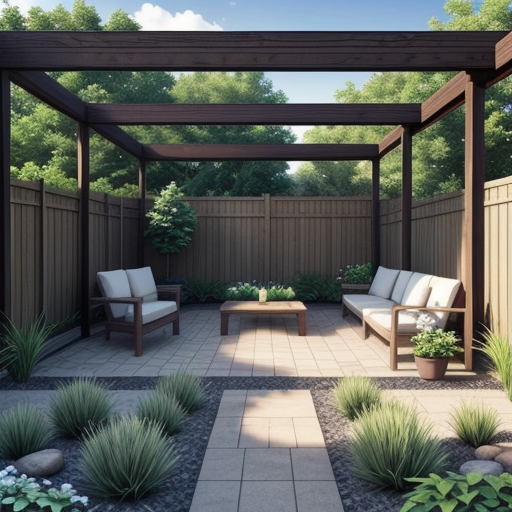
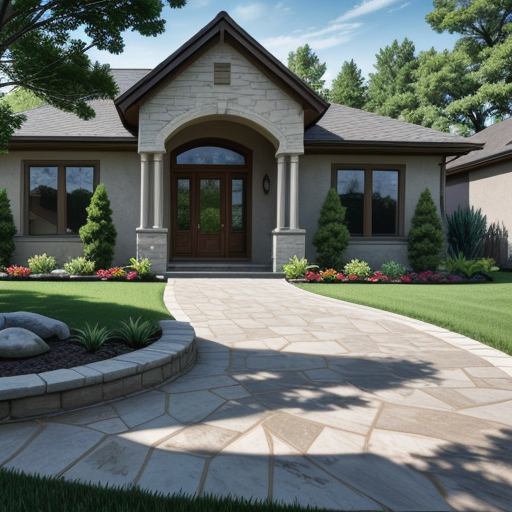
Adopt sustainable materials. When building structures or pathways, use recycled or sustainable materials such as reclaimed wood, stone, or recycled plastic. These materials have a lower environmental impact compared to new, non-renewable resources.
Practice integrated pest management (IPM). This approach minimizes the use of chemical pesticides by focusing on natural pest control methods. Introduce beneficial insects such as ladybugs and parasitic wasps, which can naturally control pest populations.
By following these steps, you can create a sustainable garden that not only looks beautiful but also supports environmental health and sustainability, making it an attractive feature for any home.