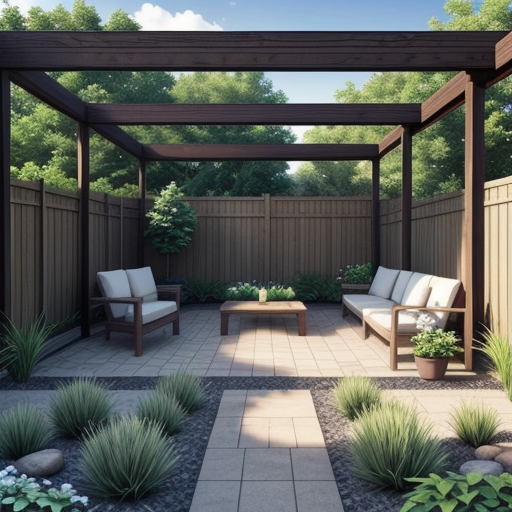
Creating a sustainable garden is a rewarding endeavor that offers numerous environmental and personal benefits. By integrating eco-friendly practices into garden planning and maintenance, homeowners can contribute positively to their local ecosystems while enjoying a beautiful and productive outdoor space. Here are several key steps to consider when developing a sustainable garden.
1. Choose Native Plants: Native plants are adapted to the local climate and soil conditions, requiring less water, fertilizer, and maintenance. They provide essential habitats for local wildlife, including pollinators such as bees and butterflies. Research native plant options suitable for your region and incorporate them into your garden design.
2. Water Conservation: Implement water-saving strategies like rainwater harvesting, drip irrigation systems, and mulching to retain soil moisture. Capturing rainwater in barrels and using drip irrigation minimizes waste, ensuring that your garden remains lush even during periods of drought.
3. Soil Health Maintenance: Enhance soil quality by incorporating organic matter such as compost and mulch. Healthy soil reduces the need for chemical fertilizers and promotes robust plant growth. Conducting soil tests can help you tailor amendments to your garden's specific needs.
4. Promote Biodiversity: Encourage biodiversity by installing a variety of plant species, flower types, and colors. This attracts beneficial insects and promotes a balanced ecosystem. Additionally, creating habitats such as birdhouses or insect hotels can support local fauna.
5. Sustainable Pest Management: Opt for natural pest control methods to maintain garden health without harming the environment. Integrated pest management, using predators like ladybugs or creating barriers, can protect your plants without synthetic chemicals.
6. Reduce Lawn Areas: Consider reducing traditional grass lawns, which typically require significant water and maintenance, and replacing them with ground covers or clover. These alternatives are not only low-maintenance but also contribute to the health and biodiversity of your garden.
7. Composting: Start a compost pile to recycle kitchen and garden waste. Composting not only reduces waste but provides rich nutrients for your plants, reducing reliance on commercial fertilizers.
By implementing these strategies, you will create a sustainable garden that not only enhances your property’s curb appeal but also supports environmental health. Committing to sustainable gardening practices enriches your garden experience, making it both enriching and environmentally conscious.