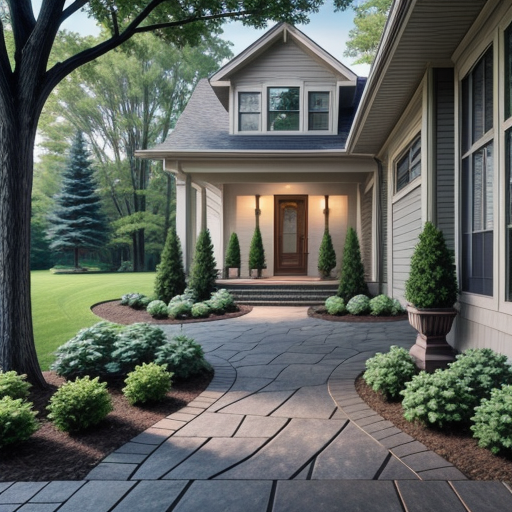
With the growing emphasis on environmental sustainability, creating a sustainable garden at home has become increasingly popular among homeowners and prospective buyers alike. A well-designed, eco-friendly garden not only enhances your property's aesthetic appeal but also supports the environment and can contribute to your home’s market value. Here’s how you can develop a sustainable garden in your own outdoor space.
1. Plan with Purpose: Start by assessing your garden's current layout and soil conditions. Planning is essential to ensure that the garden not only meets ecological goals but also suits your lifestyle. Choose native plants that are well-adapted to local climate conditions—they typically require less water and maintenance while supporting local wildlife.
2. Prioritize Soil Health: Healthy soil is the foundation of any sustainable garden. Invest in organic compost and natural fertilizers to enrich your soil and encourage plant growth. Avoid chemical pesticides and fertilizers that can harm the environment. Instead, explore natural pest control methods like introducing beneficial insects or using companion planting techniques.
3. Implement Water-Efficient Practices: Water conservation is crucial in a sustainable garden. Consider installing rain barrels to collect rainwater for garden use. Drip irrigation systems and soaker hoses are excellent options for minimizing water waste. Additionally, practice mulching to help the soil retain moisture and reduce the need for frequent watering.
4. Foster Biodiversity: Promote biodiversity by planting a variety of species, which in turn attracts different types of pollinators such as bees, butterflies, and birds. A diverse ecosystem is more resilient to pests and diseases, fostering a healthier garden environment.
5. Reduce, Reuse, Recycle: Incorporate recycled materials in your garden structure, such as using repurposed materials for garden beds or pathways. Compost yard waste and kitchen scraps to create rich, organic matter to enhance your soil.
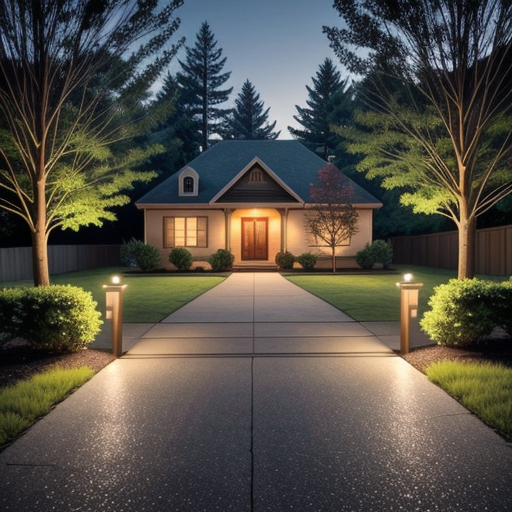
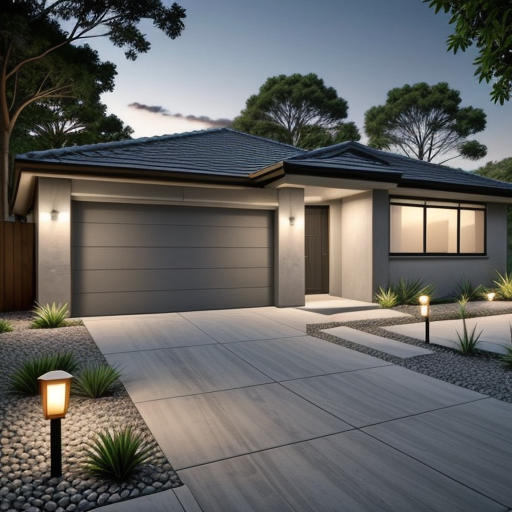
6. Consider Renewable Energy: If feasible, consider integrating renewable energy sources in your garden space. Solar-powered garden lights, for example, can add a sustainable decorative element while conserving electricity.
By implementing these practices, you will create a sustainable garden that not only benefits the environment but also adds charm and value to your property. Whether you’re a seasoned homeowner, a budding gardener, or a potential homebuyer, a sustainable garden can serve as a crucial asset for years to come.