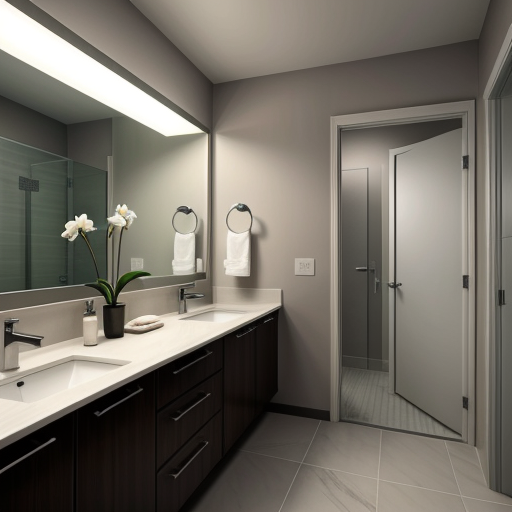
Purchasing a fixer-upper property can be an appealing option for homebuyers who are looking to invest in real estate with the potential for significant value appreciation. However, it's important to weigh both the advantages and disadvantages before making such a significant commitment.
Advantages of Buying a Fixer-Upper
-
Lower Purchase Price: One of the primary attractions of buying a fixer-upper is the lower upfront cost compared to move-in-ready homes. These properties are typically priced below market value, allowing buyers to enter desirable neighborhoods at a fraction of the cost.
-
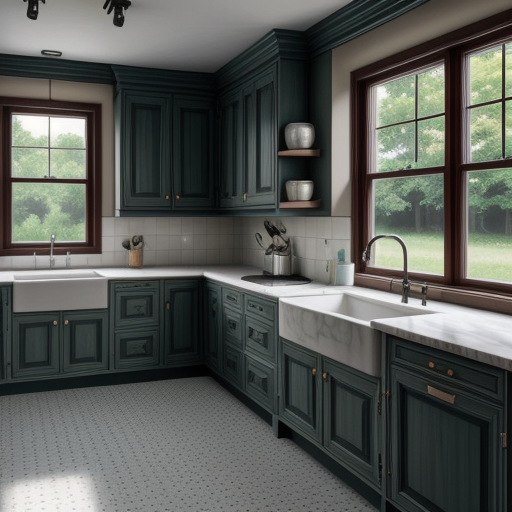
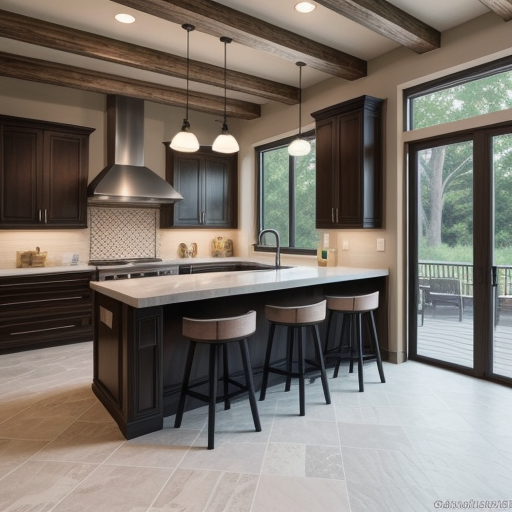
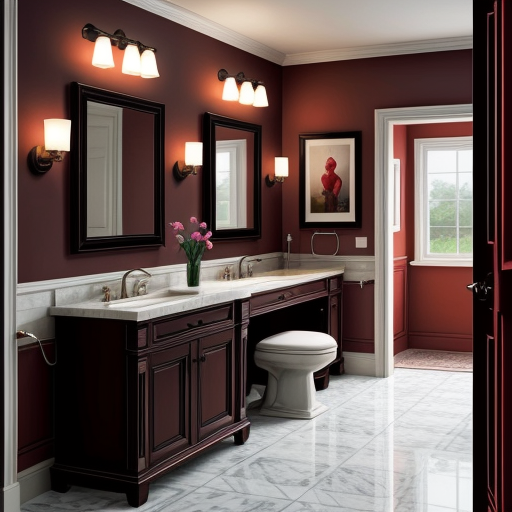
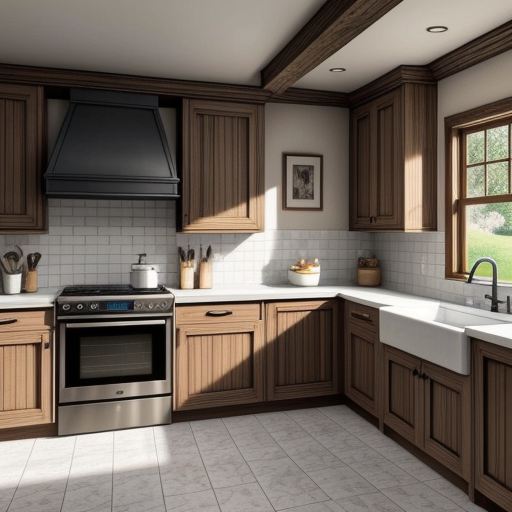
Customization Potential: Purchasing a fixer-upper allows homeowners to personalize their space to suit their tastes and needs. With the freedom to choose materials, layout, and design elements, buyers can create a home that truly reflects their personality and lifestyle.
-
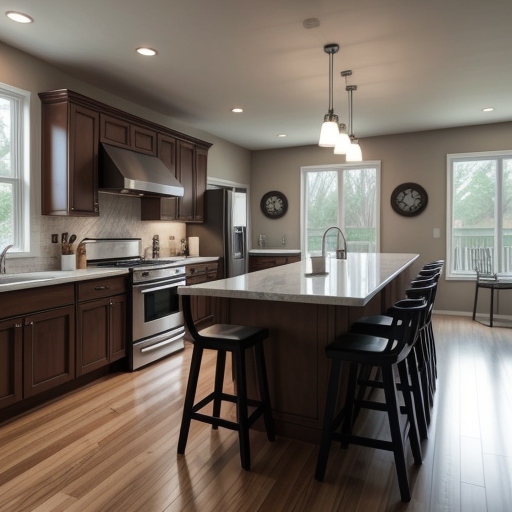
Increase in Value: Through strategic renovations, a fixer-upper can significantly increase in value. This presents an opportunity for a lucrative return on investment if the property is sold in the future.
Disadvantages of Buying a Fixer-Upper
-
Renovation Costs: While the initial purchase price might be lower, renovation costs can add up quickly. It's essential to budget for unexpected expenses and have a contingency fund in place to handle any unforeseen repairs.
-
Time-Consuming Process: Renovating a fixer-upper can be a long and arduous process. Homebuyers must be prepared to commit time and effort to manage contractors and oversee the progress of the project.
-
Risk of Overcapitalization: There is a risk that the cost of renovations may exceed the increase in the property's market value. Careful planning and realistic budgeting are crucial to avoid this pitfall.
In conclusion, buying a fixer-upper can be a rewarding venture for those who are prepared to take on the challenge. It's important for potential buyers to conduct thorough research, seek professional advice, and analyze their personal and financial readiness before making a decision. Ultimately, the key to a successful investment lies in balancing the potential benefits with the inherent risks associated with fixer-upper properties.