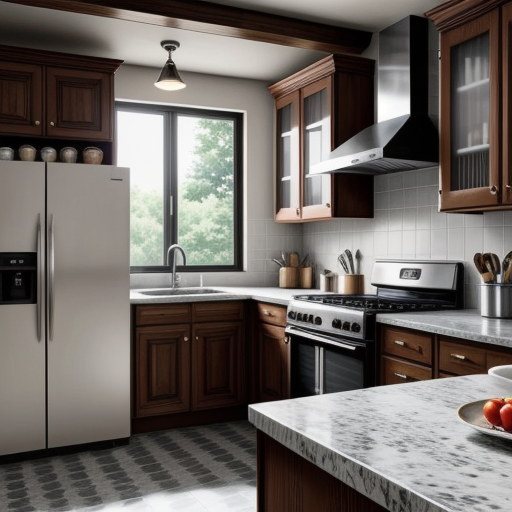
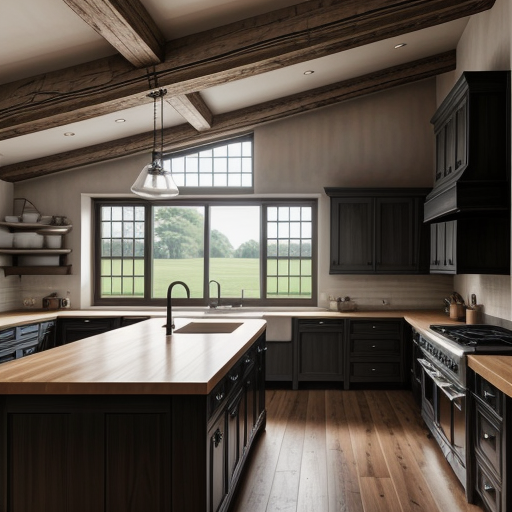
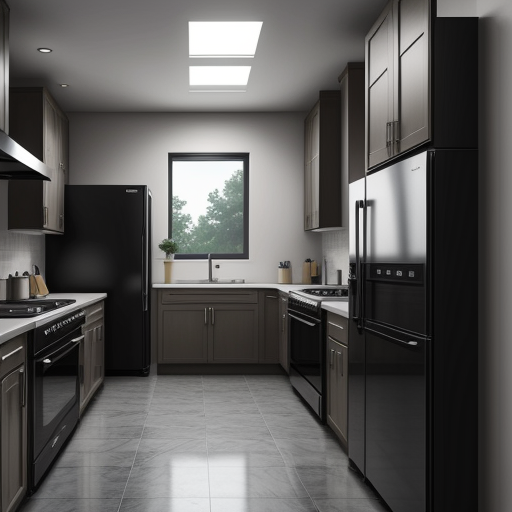
Planning a home renovation can be both exciting and overwhelming. Whether you're looking to update a single room or undertake a significant remodel, having a clear and structured plan is essential. In this article, we'll explore the key steps to effectively plan a home renovation, ensuring a smoother process and maximizing your investment.
1. Define Your Goals
Before diving into renovations, take some time to define your goals. What aspects of your home are you looking to improve? Are you aiming to increase functionality, enhance aesthetics, or boost market value? Clearly outlining your objectives will help guide your decisions throughout the renovation process.
2. Set a Budget
Once you have defined your goals, it’s crucial to set a realistic budget that accommodates your plans. Consider all expenses, including materials, labor, permits, and unexpected costs that may arise. It's advisable to include a contingency fund of around 10-15% of your total budget to address any complications during the renovation.
3. Research and Gather Inspiration
Spend time researching design ideas and trends to gather inspiration for your renovation. Browse online platforms, magazines, and social media for images that resonate with your vision. Creating a mood board can help visualize the outcome and make decisions easier when you start selecting materials and designs.
4. Hire Professionals
Depending on the scale and complexity of your renovation, you may need to hire professionals such as architects, designers, or contractors. Conduct thorough research and seek recommendations to ensure you find qualified individuals who align with your project needs and budget. Be sure to check their credentials, reviews, and past work before making a final decision.
5. Create a Timeline
Developing a detailed timeline will help keep your renovation on track. Outline key phases of the project, and establish deadlines for each milestone. Flexibility is crucial since renovations can sometimes uncover unforeseen issues that extend timelines. Keeping an open line of communication with your contractors will help manage any schedule adjustments.
6. Obtain Necessary Permits
Before starting any work, ensure you obtain any necessary permits or approvals. This may vary by location, and failing to comply with local building regulations can lead to fines or halt the project. Check with your local authorities or your contractor to ensure all required permits are secured before commencing work.
7. Prepare Your Home
As the renovation date approaches, prepare your home for the upcoming changes. This may include clearing out rooms, deciding on a temporary living arrangement, or setting up a workspace for contractors. The goal is to minimize disruptions and make it easier for your team to work efficiently.
8. Stay Involved
Even if you've hired professionals, it's important to stay involved throughout the renovation process. Regular communication with your contractor will ensure that your vision is being executed correctly and any issues are addressed promptly. Don’t hesitate to ask questions or make adjustments along the way.
Conclusion
Planning a home renovation requires careful consideration and strategic thinking. By taking the time to define your goals, set a budget, gather inspiration, hire the right professionals, and plan effectively, you will set the foundation for a successful renovation project. With patience and proper planning, your dream home is within reach. Embrace the journey, and enjoy transforming your space into something truly special!