Setting the right rental rates for your properties is a crucial step in successful real estate management. Properly pricing your rental units not only attracts quality tenants but also ensures that your investment remains profitable over time. Here are some key considerations to help you establish appropriate rental rates for your properties.
Understand the Market
The first step in determining rental rates is to conduct thorough research on the local real estate market. Look at comparable rental properties in your area, often referred to as "comps." These should be similar in terms of size, amenities, location, and overall condition. Websites like Zillow or Realtor.com can provide valuable insights into current market trends and average rental prices.
Evaluate Property Features
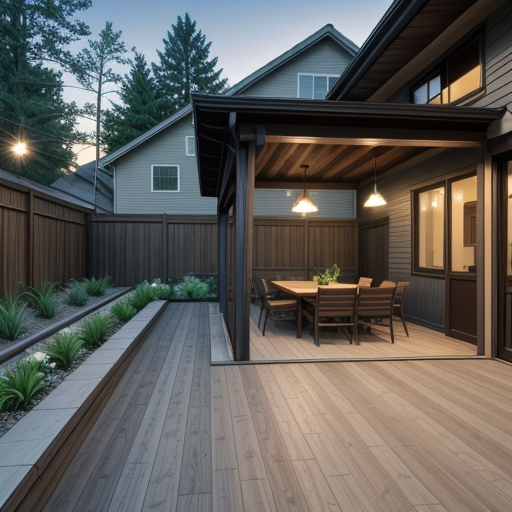
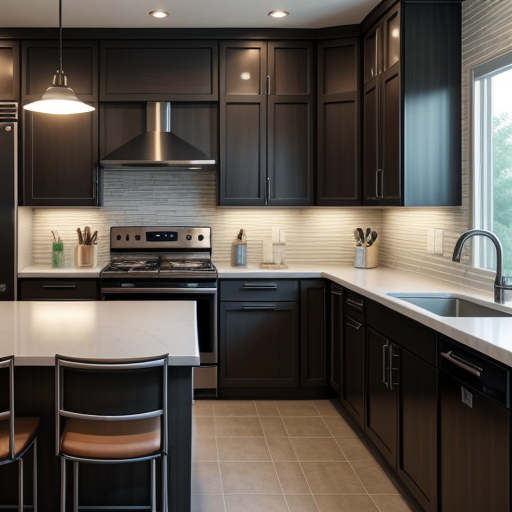
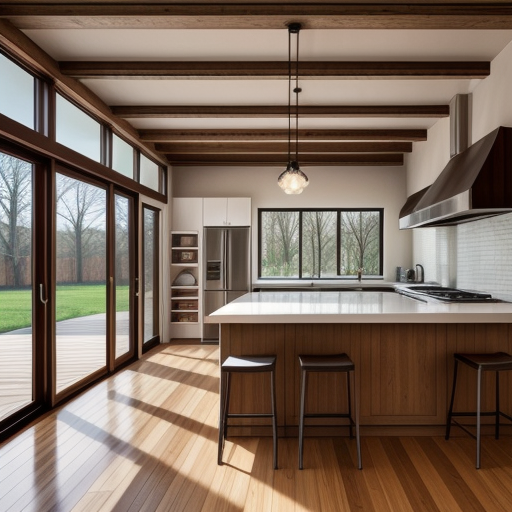
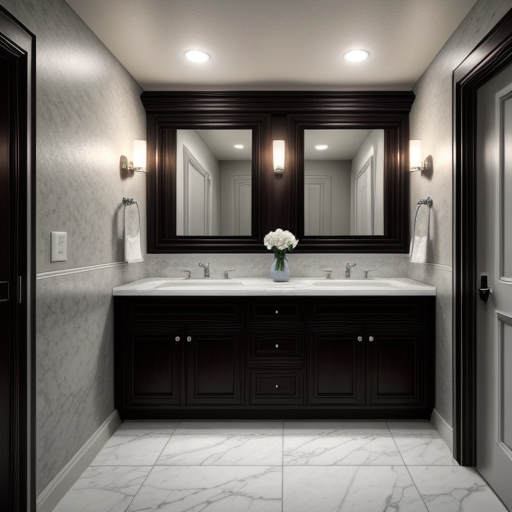
Next, assess the unique features of your property. Factors such as the number of bedrooms and bathrooms, square footage, outdoor space, parking availability, and any special amenities (swimming pool, gym, etc.) can affect the rental rate. Properties that are newly renovated or located in desirable neighborhoods may command higher prices.
Consider Economic Indicators
Keep an eye on economic factors that could influence rental rates in your area, such as employment rates, population growth, and the overall economic climate. An increase in job opportunities usually raises demand for rental properties, allowing landlords to set higher rates.
Factor in Operating Costs
When setting rental rates, it’s essential to account for your expenses, including property taxes, insurance, maintenance, and property management fees. Ensure that your rental income will cover these costs while still providing you with a reasonable return on investment.
Adjust for Seasonality
In some markets, seasonal fluctuations can impact rental rates. For instance, in college towns, demand may spike at the beginning of the academic year, allowing landlords to increase their rates. Conversely, in winter months, when fewer people are likely to move, it may be necessary to lower your rates to attract tenants.
Seek Professional Guidance
If you feel overwhelmed by the process of setting rental rates, consider consulting with a real estate professional. Experienced property managers or real estate agents can provide invaluable insights and assist you in determining a competitive yet profitable rental rate.
Test and Adjust
After establishing your initial rental rate, be prepared to revise it based on market response. If your property doesn’t attract interest within the first 30 days, it may be necessary to lower the rent or offer incentives such as reduced security deposits or waived application fees. Conversely, if demand is high, you might have room to increase your rent in subsequent listings.
Setting the right rental rates is both an art and a science. By considering market conditions, property features, and economic indicators, you can establish a rental price that attracts tenants while maximizing your investment’s potential. Regularly reviewing and adjusting your rates as needed will help ensure ongoing success in your rental endeavors.