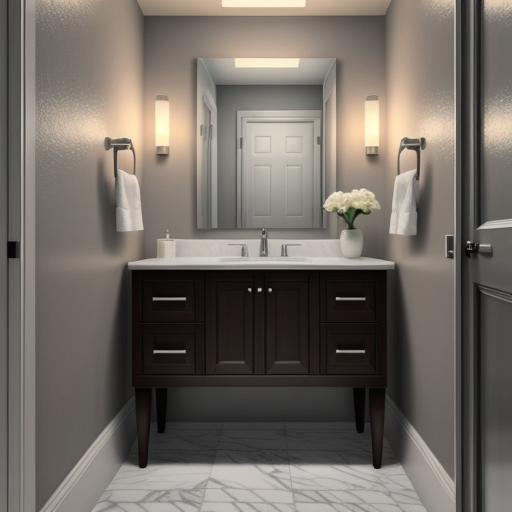
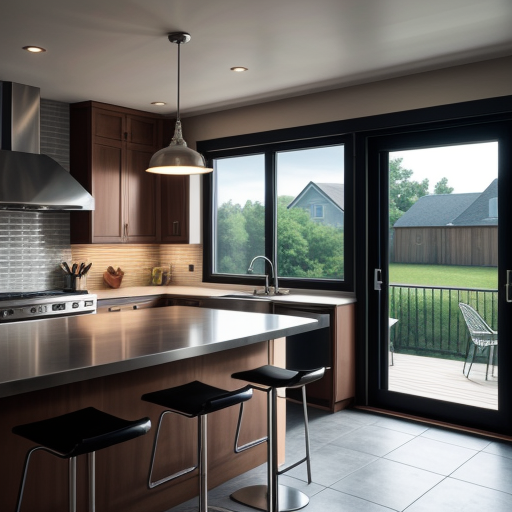
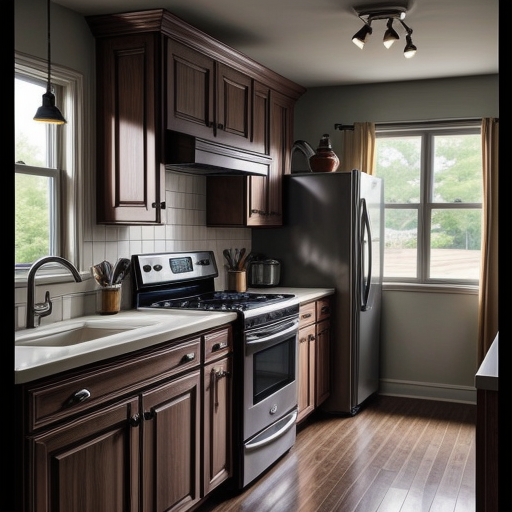
Choosing the right contractor for your home renovations or construction projects is a critical decision that can greatly impact the outcome of your endeavor. A skilled contractor can turn your vision into reality, while an unfit one can lead to costly delays and subpar work. Here are several key considerations to help you select the ideal contractor for your needs.
1. Define Your Project Scope: Before initiating your search for a contractor, clearly outline your project scope. Understand what you want to achieve, whether it is a simple renovation, a major addition, or new construction. Having a detailed plan will help you communicate your expectations effectively and assess the expertise of potential contractors.
2. Research Potential Contractors: Start by gathering a list of potential contractors. You can seek recommendations from friends, family, or real estate agents. Online resources such as contractor directories and review websites can also provide valuable insights. Pay attention to each contractor's reputation, customer feedback, and any awards or recognitions they may have received.
3. Verify Credentials: Ensure that the contractors you are considering possess the necessary licenses and certifications to operate in your area. Check their insurance coverage to protect yourself from potential liabilities. Contractors should carry both liability insurance and worker's compensation insurance. These credentials are crucial in establishing the legitimacy and qualifications of a contractor.
4. Review Portfolios and References: A reputable contractor should be able to provide a portfolio of their previous work. Reviewing these examples will give you a sense of their style, quality, and expertise. Additionally, ask for references and take the time to contact them. Inquire about their experience working with the contractor, including aspects such as communication, adherence to schedules, and overall satisfaction with the completed project.
5. Obtain Multiple Quotes: Once you have narrowed down your options, request detailed quotes from at least three contractors. This not only helps you gauge the average market price but also allows you to compare the breadth of services included in each quote. Be cautious of bids that are significantly lower than others, as this may signal lower quality materials or workmanship.
6. Schedule Consultations: Meeting potential contractors in person can help you assess their professionalism and expertise. During these consultations, ask about their approach to your project, timelines, and how they handle challenges that may arise. Effective communication is essential, so choose a contractor with whom you feel comfortable discussing your ideas and concerns.
7. Review Contracts Carefully: Once you have selected a contractor, ensure that all terms, expectations, and timelines are clearly articulated in a written contract. Review it thoroughly, seeking clarity on payment schedules, materials specifications, and the scope of work. A well-defined contract protects both you and the contractor and sets clear guidelines for the project.
In conclusion, selecting the right contractor requires thorough research, communication, and due diligence. By following these steps, you can ensure that your home project is in capable hands, leading to a successful transformation of your living space. A good contractor not only delivers quality work but also makes the remodeling experience smoother and more enjoyable.