Determining a home's true value is a crucial step in the buying process, whether you're a first-time buyer or a seasoned investor. Accurate valuation can help you make informed decisions, avoid overpaying, and identify properties with great investment potential. Here’s how to effectively assess a home's value before making a purchase.
1. Research Recent Sales: One of the most reliable methods to gauge a home's value is to look at comparable sales in the neighborhood, often referred to as 'comps.' These are homes similar in size, age, location, and amenities that have recently sold. Access local property records or utilize online real estate platforms to find this information.
2. Analyze Market Trends: Understanding current market conditions can provide additional context for a home's value. Is it a buyer’s market or a seller’s market? Are home prices on the rise or in decline? Keeping abreast of local market trends can give you insight into how much a home is truly worth.
3. Utilize Professional Appraisals: Hiring a professional appraiser can provide an impartial assessment of a home's value. Appraisers evaluate the property’s features and condition, as well as the surrounding area, and take into account current market trends. While this service may represent an additional cost, it often pays off in accurate valuations.
4. Consider Local Amenities and Conditions: The value of a home is significantly influenced by its location. Proximity to schools, parks, shopping centers, and major transportation routes can increase desirability and hence value. Additionally, consider the neighborhood's overall condition, safety, and community dynamics, as these factors can affect long-term property value.
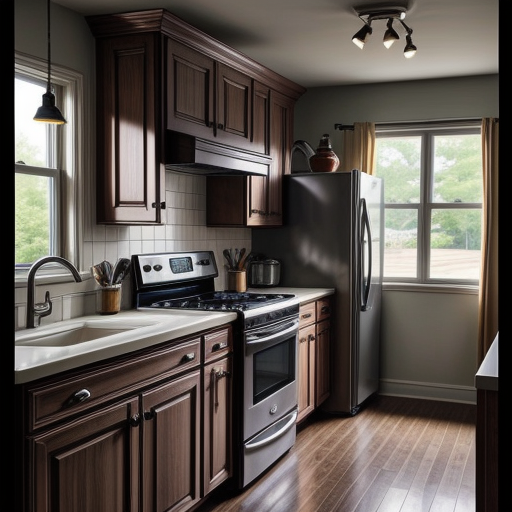
5. Evaluate Home Features: A home's features also impact its market value. Modern renovations, energy-efficient appliances, and high-quality materials can enhance a home’s appeal. Conversely, necessary repairs or outdated features can detract from its value. Conduct a thorough inspection to assess the home's condition and factor in any potential renovation costs.
6. Look at Online Valuation Tools: Various online valuation tools offer automated home valuation estimates based on public records and recent sales data. While these tools can give you a ballpark figure, they may not capture all nuances of a property that a human evaluator would.
Conclusion: Accurately determining a home’s true value requires a blend of research, expert input, and market awareness. By utilizing these strategies, you can equip yourself with the knowledge needed to make confident and informed home-buying decisions. Remember, a well-informed buyer is often a successful one in the competitive real estate market.