In recent years, sustainability has become a pivotal consideration in the real estate market, influencing property values and buyer preferences alike. As awareness of environmental issues grows, buyers are increasingly looking for homes that offer sustainable features. This shift has significant implications for property values, making it essential for buyers and sellers to understand how these factors interplay.
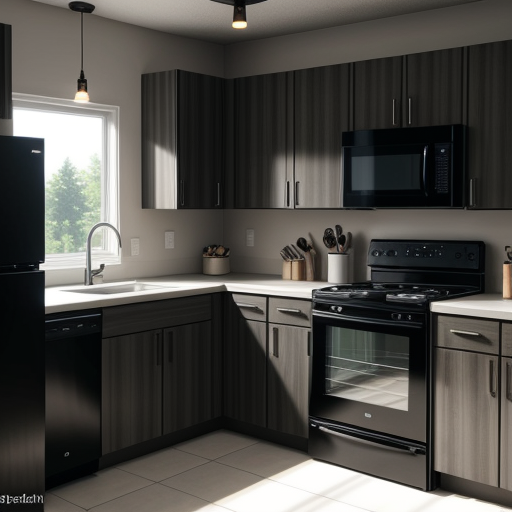
The first way sustainable features enhance property value is through energy efficiency. Homes equipped with energy-efficient appliances, solar panels, and advanced insulation systems often attract higher bids. These features not only reduce utility costs but also increase a property’s appeal to eco-conscious buyers. In fact, the presence of features like solar panels can improve a property's marketability, shortening the time it spends on the market.
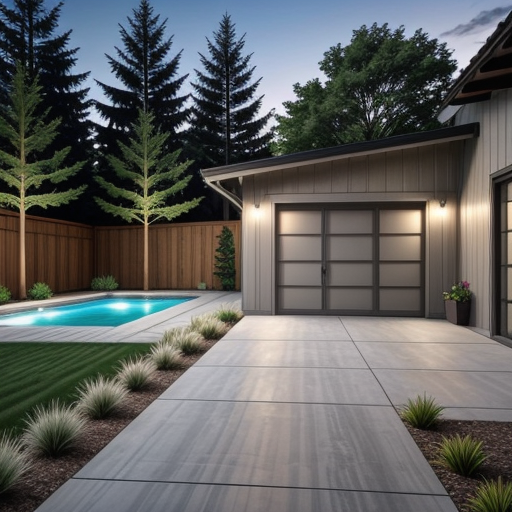
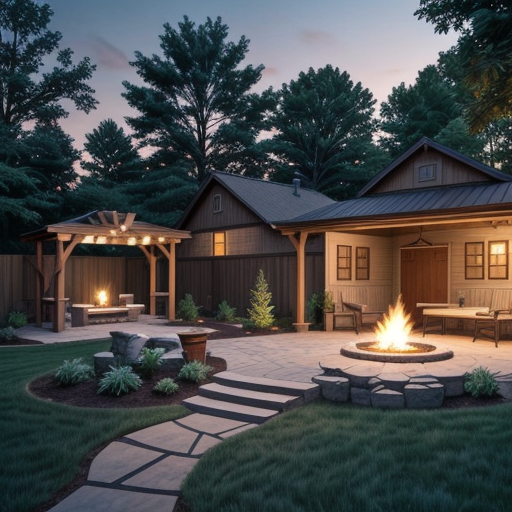
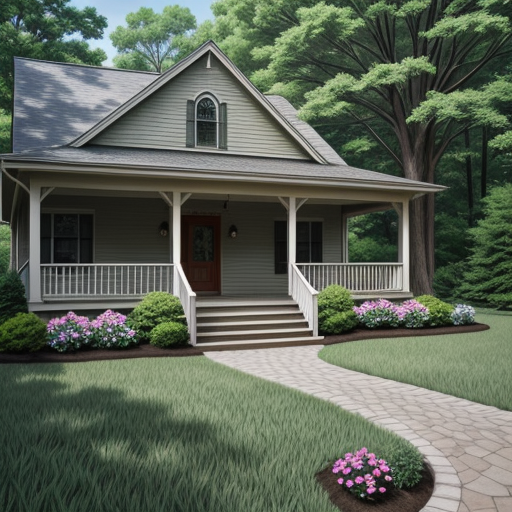
Water efficiency is another critical component of sustainable real estate. Properties that offer rainwater harvesting systems, efficient plumbing, or drought-resistant landscaping can be more appealing to potential buyers. In areas prone to water shortages, homes with such features can command premium prices due to their lower operational costs and decreased environmental impact.
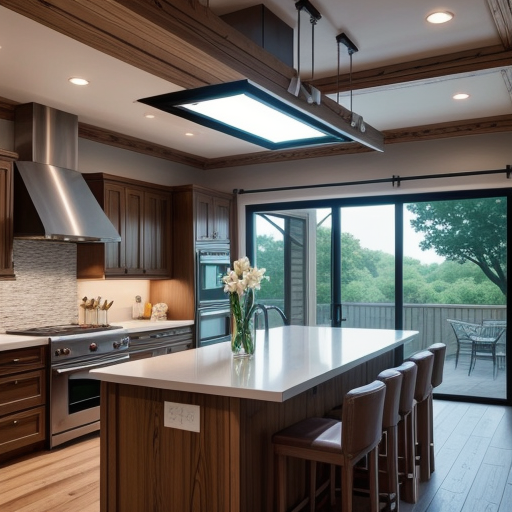
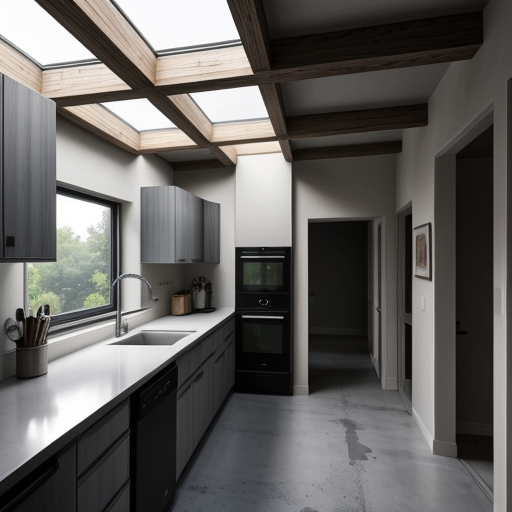
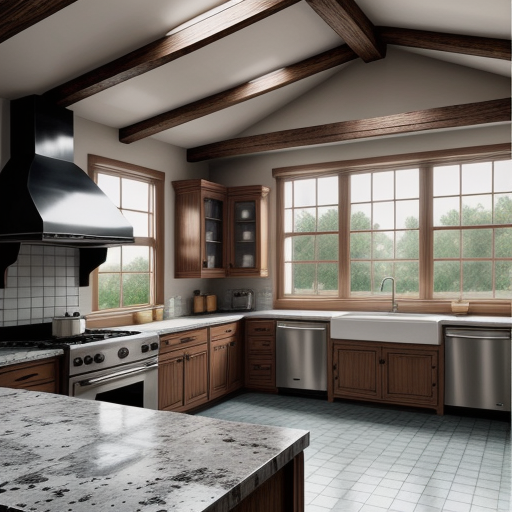
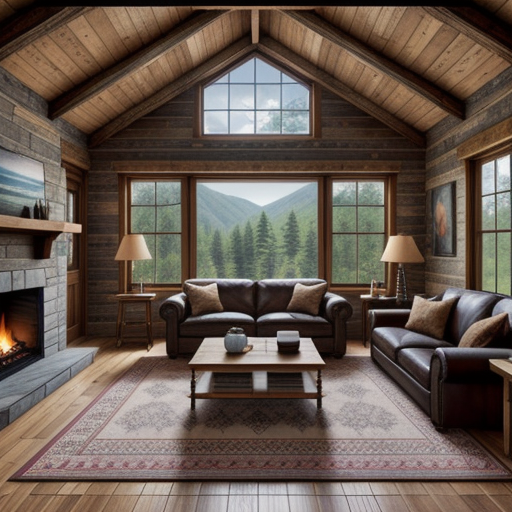
Indoor air quality plays a crucial role in sustainable home design as well. Properties that emphasize natural light, non-toxic building materials, and effective ventilation systems are seen as healthier living environments. These factors not only contribute to the well-being of the occupants but also add intrinsic value to the property.
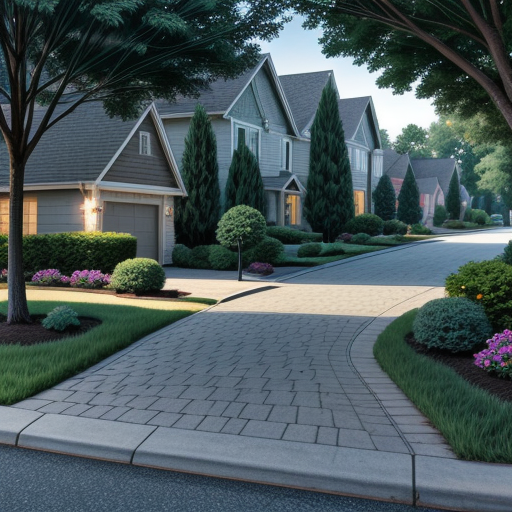
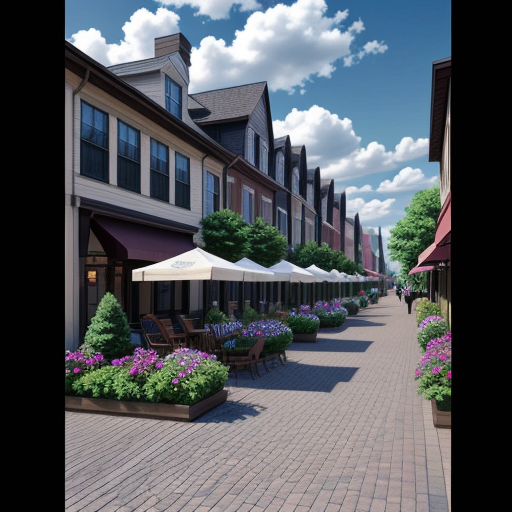
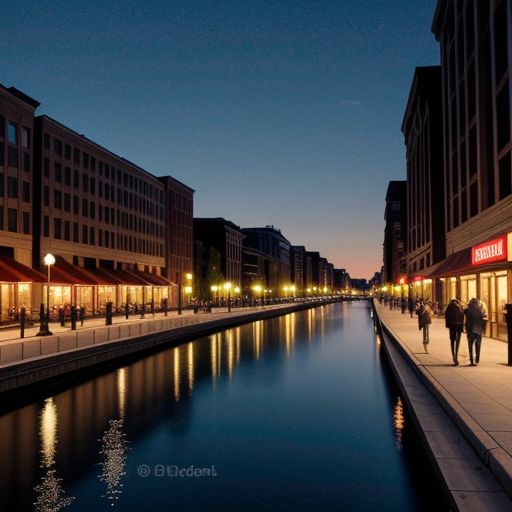
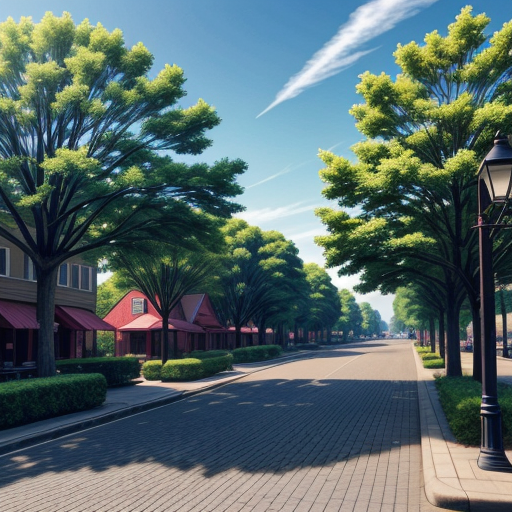
Moreover, the location and infrastructure around a property also affect its sustainable profile. Homes in walkable neighborhoods with access to public transportation options are increasingly sought after. These features reduce reliance on cars, lower personal carbon footprints, and are often associated with higher property values.
Government incentives further enhance the value of sustainable properties. Many regions offer tax rebates or incentives for homes that include renewable energy systems or other green features. Such incentives can reduce the initial outlay on sustainable upgrades, making them even more accessible for homeowners and more attractive to buyers.
In summary, sustainability is not just a trend but a fundamental shift in market dynamics that directly impacts property values. For buyers and sellers, understanding the benefits of sustainable features can lead to smarter investment decisions and better financial returns. As sustainability continues to gain traction, its influence on the real estate market will likely grow, further elevating the importance of environmentally-conscious home designs.