Understanding the real estate market can be daunting, especially for potential homebuyers trying to make informed decisions. Numerous factors come into play that affects property prices, and recognizing these can arm buyers with the knowledge needed to navigate the market successfully. Here are ten crucial factors impacting real estate prices:
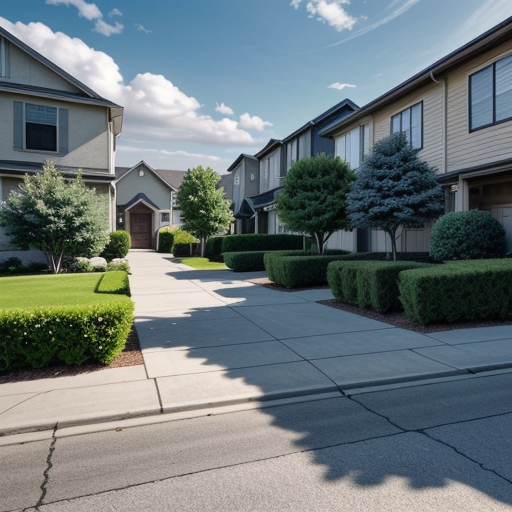
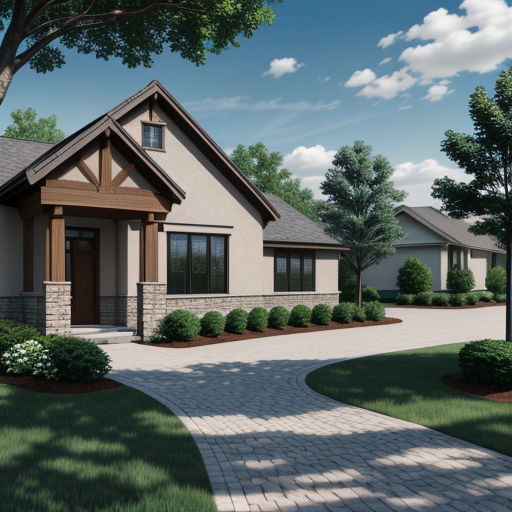
1. Location: The saying "location, location, location" is a mantra in real estate for a reason. The proximity to amenities like schools, shopping centers, parks, and public transportation can significantly influence a property's price. Neighborhood safety and scenic views are other location-related aspects that enhance property value.
2. Interest Rates: The cost of borrowing money plays a pivotal role in real estate prices. Lower interest rates reduce mortgage costs, thereby making homeownership more affordable. Conversely, higher rates can deter potential buyers, putting downward pressure on prices.
3. Supply and Demand: Real estate operates on the basic economic principle of supply and demand. High demand with limited supply drives prices up, whereas a surplus of properties can lead to a price decrease. Seasonal changes and economic conditions heavily affect this balance.
4. Economic Growth: A bustling economy typically boosts income levels, increasing potential buyers' purchasing power. Employment rates and economic health directly impact market confidence and real estate prices.
5. Government Policies: Incentives like tax credits, subsidies, and deductions can make purchasing property more appealing, thereby affecting prices. Policies related to zoning and land use can also control the supply of available properties.
6. Infrastructure Development: Upcoming infrastructure projects, such as highways or public transport links, can enhance access and connectivity, often resulting in higher property prices in those regions.
7. Market Trends: Public sentiment and market trends, including prevailing buyer and seller preferences, influence real estate prices. Trends such as preference for eco-friendly features or open-concept designs can dictate the desirability and price of properties.
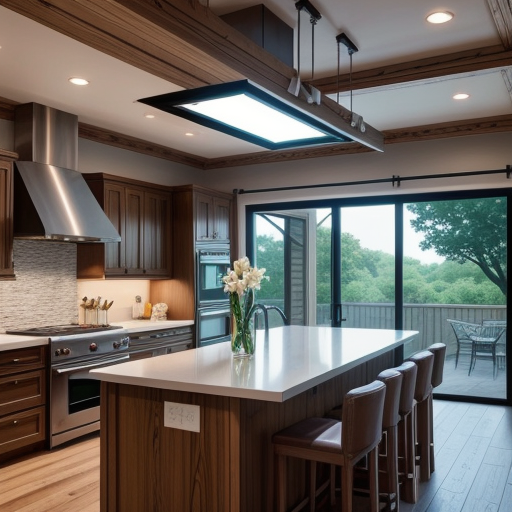
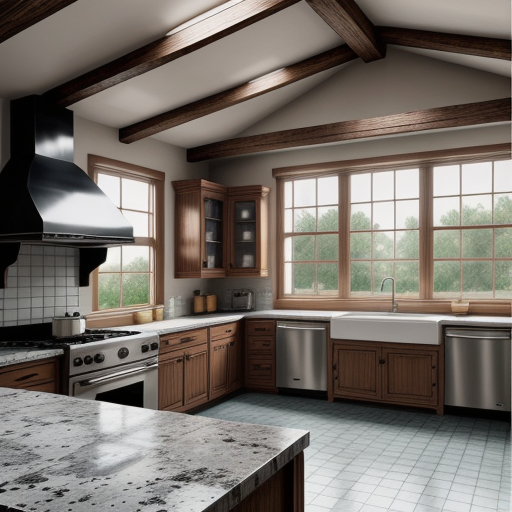
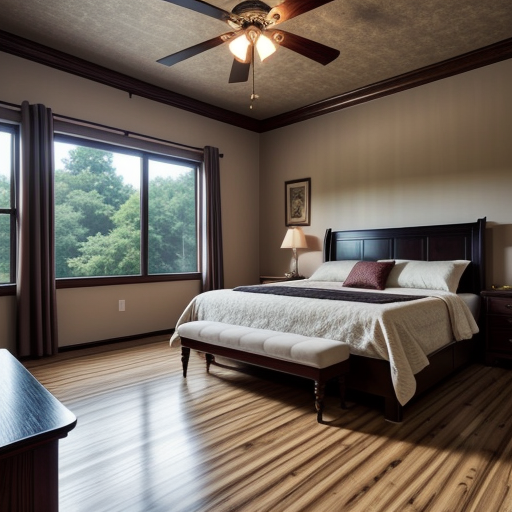
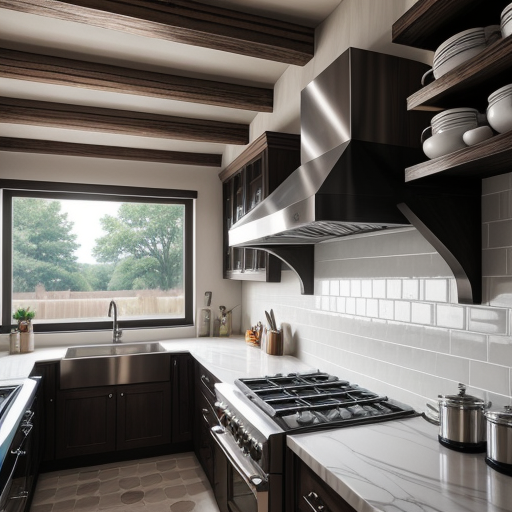
8. Property Condition and Upgrades: The property's age, condition, and available amenities impact its valuation. Homes featuring modern upgrades or renovations, such as updated kitchens and smart home technology, tend to command higher prices.
9. Natural Disasters and Climate Change: Properties located in areas prone to natural disasters or affected by climate change may see declining prices. Conversely, areas with minimal risk might experience increased demand and prices.
10. Population Growth: An increasing population typically leads to greater housing demand. Urban centers with growing populations often witness rising real estate prices due to increased demand.
Understanding these factors can position homebuyers strategically in the real estate market. Being aware of the dynamic nature of these elements can help potential buyers time their purchases and make informed choices that align with their long-term financial goals.