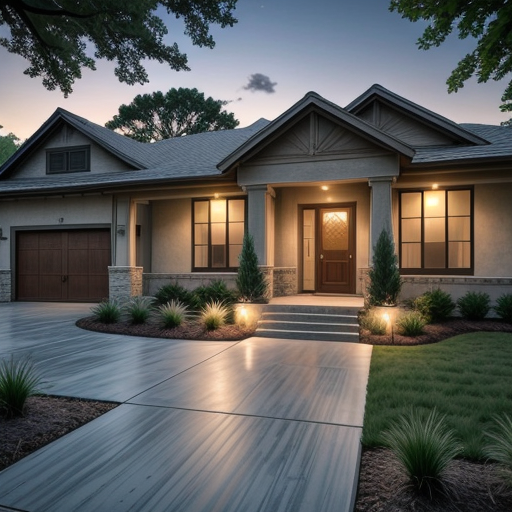
As society becomes increasingly aware of environmental issues, the real estate market has begun transforming in response to these global sustainability challenges. The future of real estate is undeniably green, and understanding this shift is crucial for home buyers and real estate professionals alike.
Embracing Sustainable Building Materials
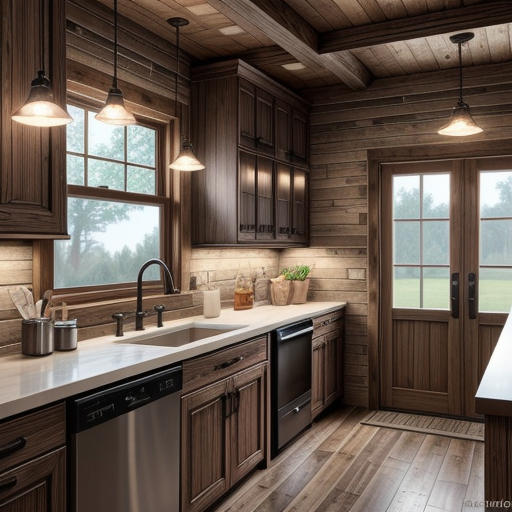
One of the most significant trends in sustainable real estate is the adoption of eco-friendly building materials. These materials, including recycled steel, bamboo, and sustainable concrete, not only reduce the carbon footprint of construction but also improve the longevity and efficiency of the buildings. By prioritizing materials that are both sustainable and durable, developers ensure that new constructions are both environmentally friendly and cost-effective in the long run.
Energy Efficiency and Renewable Resources
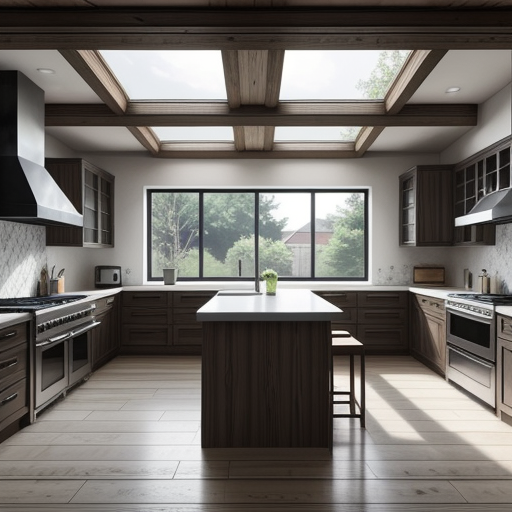
Energy efficiency is another cornerstone of sustainable real estate. Homes designed with energy-saving measures, such as high-efficiency HVAC systems, smart thermostats, and superior insulation, significantly reduce energy consumption. Moreover, the incorporation of renewable energy sources, such as solar panels and wind turbines, is becoming more commonplace. These technologies diminish dependency on fossil fuels, offer substantial savings on energy bills, and increase property value.
Water Conservation Innovations
With water scarcity becoming a pressing issue, the future of sustainable real estate also includes advanced water conservation technologies. From low-flow fixtures to rainwater harvesting systems and greywater recycling, these innovations play a vital role in reducing water usage. Such features appeal to environmentally conscious buyers and contribute positively to a home's ecological footprint.
Enhancements in Urban Planning
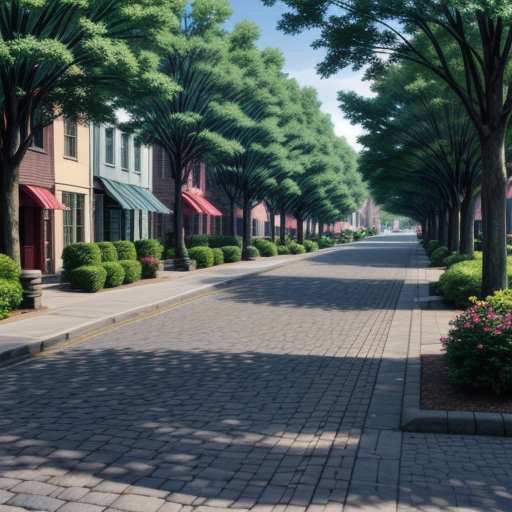
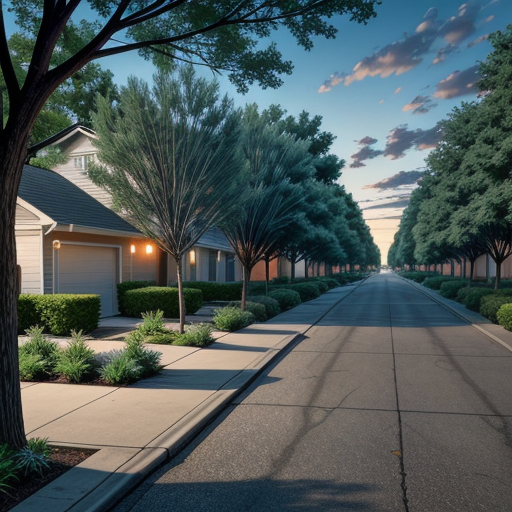
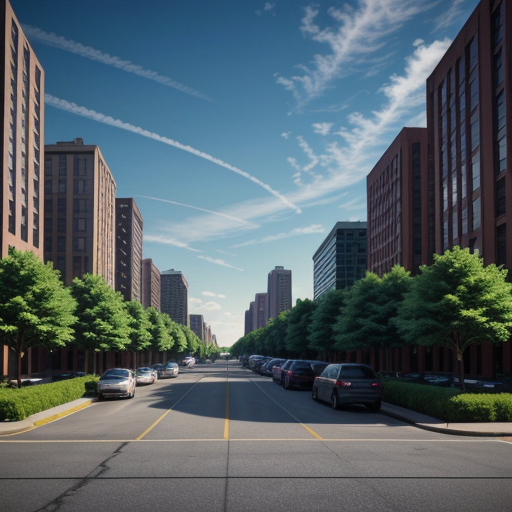
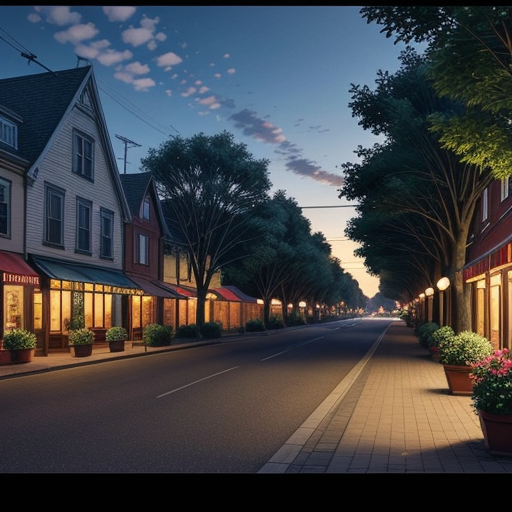
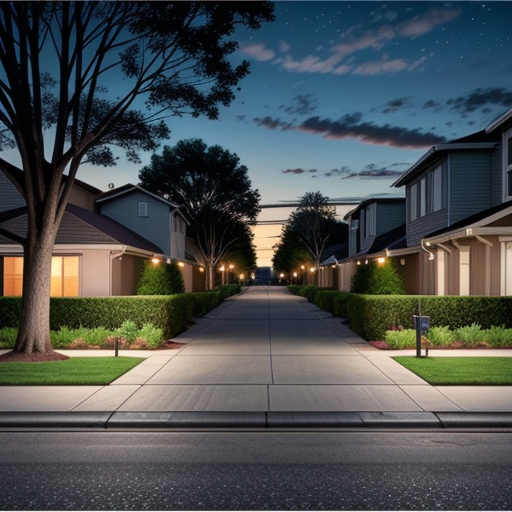
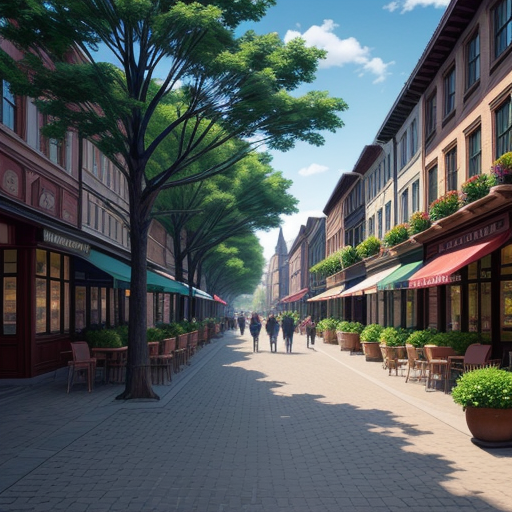
Urban planning is evolving to support sustainable lifestyles. Cities are increasingly designed to be walkable and bike-friendly, promoting public transportation and eco-friendly commuting options. Green spaces and community gardens in neighborhoods not only enhance the visual appeal but also improve air quality and foster a sense of community.
Smart Home Technology
The integration of smart home technology plays a crucial role in sustainable real estate. These systems allow homeowners to monitor and control their energy use efficiently. Artificial intelligence and automation provide the tools necessary to optimize home energy performance, reduce unnecessary consumption, and enable residents to make conscious decisions about their environmental impact.
The Impact on Property Values
Investing in sustainable features often leads to a positive impact on property values. Eco-friendly homes are increasingly desirable, with many buyers willing to pay a premium for sustainable attributes that promise long-term savings and environmental benefits.
Conclusion
The future of sustainable real estate holds immense potential to transform the industry. By prioritizing eco-friendly practices in construction, energy use, water conservation, and urban planning, the industry can significantly reduce its environmental impact. As the demand for sustainable properties grows, real estate professionals that stay ahead of these trends will be well-positioned to meet the preferences of environmentally aware consumers.