In recent years, the demand for energy-efficient homes has been on the rise, as more homeowners seek sustainable living options. One of the most rigorous standards for energy efficiency is the Passive House (or Passivhaus) standard. But what exactly does it entail, and how does it benefit homeowners? Let's explore the key elements of Passive House standards and why they matter in today’s real estate market.
First and foremost, a Passive House is designed to maximize energy efficiency while minimizing ecological impact. The concept originated in Germany and focuses on meticulous attention to detail in both construction and design. These homes are engineered to maintain a comfortable indoor climate without heavy reliance on traditional heating or cooling systems. This is achieved through superior insulation, airtight construction, and strategic use of passive solar gains.
One of the key principles of Passive House design is airtightness. This means minimizing the amount of air that leaks in and out of the building, which helps to prevent energy loss. To ensure airtight construction, builders use high-performance windows and doors, as well as careful sealing of all joints and seams.
Another crucial aspect is thermal insulation. Passive Houses are constructed with advanced materials that provide exceptional insulation, drastically reducing the need for heating during the colder months. This insulation works in tandem with a ventilation system equipped with heat recovery, allowing the home to retain warmth in winter and coolness in summer.
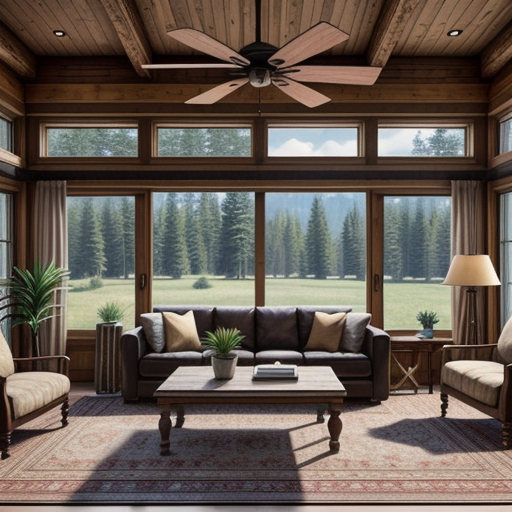
Moreover, Passive Houses harness energy from the sun through strategic orientation and window placement, allowing for passive solar heating. The thoughtful design reduces the dependency on fossil fuels and significantly lowers utility bills for homeowners.
Investing in a Passive House not only benefits homeowners financially through reduced energy costs but also contributes to a lower carbon footprint. For real estate agents, understanding and promoting the merits of Passive Houses can provide a competitive edge, particularly as more buyers prioritize sustainability in their purchasing decisions.
In conclusion, Passive House standards set a high bar for energy efficiency and sustainability in home building. Its principles of airtight construction, superior insulation, and optimal use of solar energy offer significant benefits in terms of comfort, cost savings, and environmental impact. As these homes become more prevalent in the real estate market, staying informed about their advantages will be crucial for both buyers and agents alike.