In today’s world, ensuring the safety and security of your home is a top priority for homeowners. With the increasing number of available home security systems, choosing the right one can be a daunting task. This guide aims to simplify the process by outlining key considerations to help you make an informed decision.
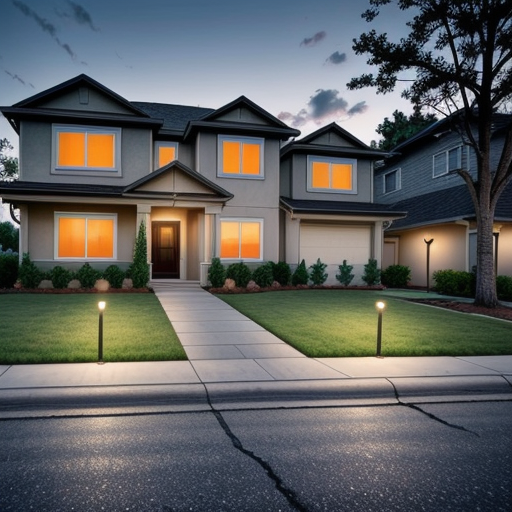
Understand Your Security Needs Before delving into the various systems available, it’s essential to evaluate your specific security needs. Consider factors such as the size of your home, the neighborhood's crime rate, and whether you have valuable items that require extra protection. High-traffic areas may require more surveillance, while smaller homes may only need basic alarms.
Research the Different Types of Security Systems There are generally two types of security systems: wired and wireless. Wired systems, although more stable and reliable, can be costly to install and may require professional assistance. On the other hand, wireless systems are easier to install and offer flexibility in placement but might require battery replacements and have potential connectivity issues.
Look for Comprehensive Features A robust security system should include more than just burglar alarms. Features such as motion detectors, video surveillance, smoke detectors, carbon monoxide sensors, and smart home integration can significantly enhance your security. Modern systems often integrate with smartphones, allowing for real-time monitoring and alerts, providing peace of mind whether you're at home or away.
Consider Professional Monitoring vs. Self-Monitoring Many security systems offer professional monitoring services, which can provide round-the-clock surveillance and automatic police dispatch in emergencies. While this service often comes with a monthly fee, it can be invaluable, especially in high-risk areas. Alternatively, self-monitoring options allow homeowners to keep track of their security through mobile apps, offering greater control but requiring vigilance on the owner’s part.
Evaluate Customer Support and Reputation When investing in a home security system, it's crucial to consider the provider's reputation and customer support. Look for companies with positive reviews, reliable customer service, and a proven track record of effectiveness. Researching user experiences through online forums and consumer review sites can also provide insights into the system's performance and longevity.
Compare Pricing and Contracts Home security systems vary widely in price based on features and installation requirements. Be wary of systems that require long-term contracts, as this may limit your flexibility. Shop around and compare prices to find the balance between affordability and quality to ensure you receive the best value for your investment.
Test the System Once you select a system, take advantage of any trial period offered. Testing the setup will help you familiarize yourself with its features and ensure it meets your requirements. Pay attention to the ease of use, reliability of alerts, and overall functionality.
In conclusion, taking the time to evaluate your security needs, explore various system types, and compare features, prices, and customer reviews will empower you to select a home security system that best fits your lifestyle. By investing in the right system, you enhance the safety of your home and provide yourself with peace of mind, knowing that your loved ones and property are well protected.