Creating a home maintenance schedule is essential for every homeowner who wants to preserve the value and comfort of their property. Regular maintenance can prevent costly repairs and prolong the lifespan of various systems and appliances. In this article, we'll explore how to design a seamless home maintenance routine that ensures your home remains in top condition throughout the year.
1. Understand the Importance of Home Maintenance
Home maintenance serves as a proactive approach to address potential issues before they escalate. By performing routine checks and repairs, homeowners can avoid significant expenses associated with neglected maintenance. It also enhances indoor air quality and safety, contributing to a more enjoyable living environment.
2. Assess Your Home's Needs
Begin your maintenance schedule by evaluating the unique components of your home. Factors to consider include the age of your home, the local climate, and any systems that may require more frequent attention. Common areas requiring maintenance are HVAC systems, plumbing, roofing, and landscaping.
3. Create a Comprehensive List of Tasks
Draft a checklist of maintenance tasks categorized by seasons. For instance, spring may be ideal for gardening and checking for water damage, while autumn can focus on furnace maintenance and gutter cleaning. By breaking tasks down by season, you can prevent overwhelming yourself with a long, one-time task list.
4. Develop a Timeline
Establish a timeline for each maintenance task. Some tasks will require monthly attention, while others may be needed only bi-annually or annually. Create a calendar or use an app to remind you of scheduled maintenance work, ensuring nothing is overlooked.
5. Document Your Maintenance Activities
Maintaining a detailed log of your completed tasks is beneficial for tracking your efforts and serves as a reference when selling your home. Creating a simple spreadsheet or digital note to record dates and notes about what was done can make this easier.
6. Include Regular Professional Inspections
In addition to do-it-yourself tasks, schedule regular inspections by professionals for significant systems such as your HVAC, plumbing, and electrical systems. These experts can identify potential problems that may not be visible to the average homeowner.
7. Keep Your Landscaping in Check
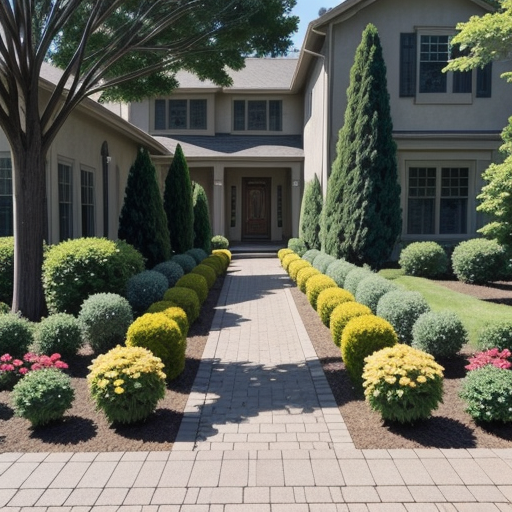
Maintaining your outdoor areas is just as crucial as your indoor space. Schedule seasonal tasks like lawn care, tree trimming, and checking irrigation systems. Healthy landscaping not only enhances your home’s curb appeal but also protects its foundation from damage.
Conclusion
Creating a structured home maintenance schedule is a straightforward process that can yield significant long-term benefits. By being proactive and organized, homeowners can maintain their property’s value, ensure safety, and enhance comfort. Remember, consistency is key—regular upkeep is the best way to ensure your home remains a safe haven for years to come.