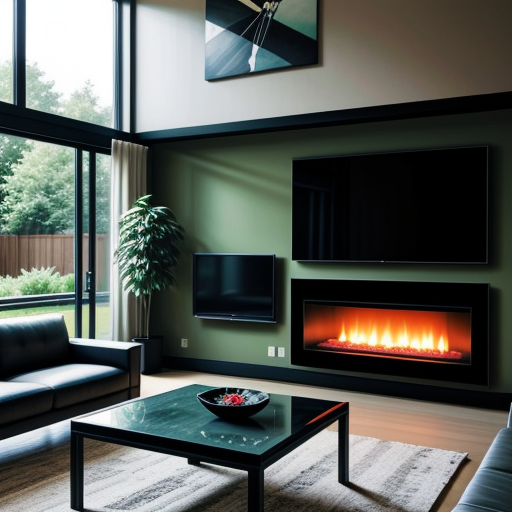
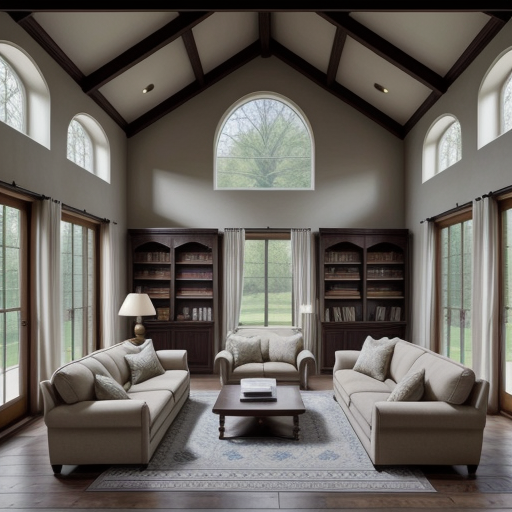
The world of home design is constantly evolving, reflecting changes in technology, lifestyle, and consumer preferences. As we look to the latest trends, it becomes clear that modern homeowners value a harmonious blend of aesthetics, functionality, and sustainability in their living spaces. In this article, we will explore some of the most impactful trends shaping the future of residential design.
One significant trend is the rise of open-concept living. This design approach eliminates barriers between spaces, fostering a sense of community and connection within the home. By combining the kitchen, dining, and living areas, homeowners create a more cohesive environment that is ideal for entertaining and family interactions. The open-concept design also allows for better natural light flow, making spaces feel larger and more inviting.
In tandem with open-concept layouts, homeowners are increasingly seeking multifunctional spaces. With remote work becoming increasingly common, versatility in home design is essential. Spaces that can serve multiple purposes—such as a home office that doubles as a guest room—are highly desirable. This trend not only maximizes square footage but also adds to the overall practicality of a home.
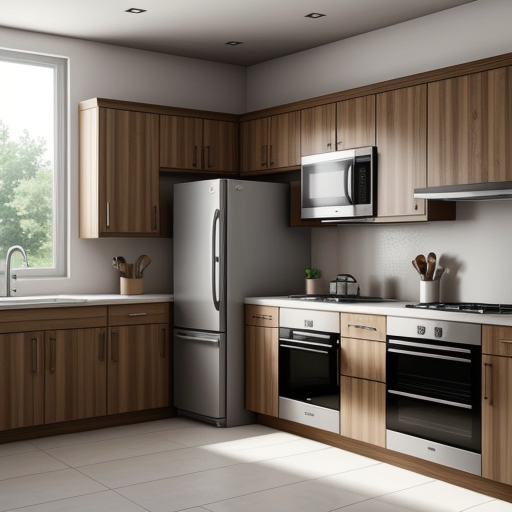
Another key trend is the integration of sustainable and environmentally friendly materials. Today's buyers are more conscious of their environmental impact, seeking out homes that incorporate sustainable practices. This can range from the use of recycled materials to energy-efficient appliances and installations. Green building certifications such as LEED and Energy Star have become more prominent, signaling a commitment to sustainability in design.
Smart home technology has also made significant strides in recent years, and its influence on home design cannot be overlooked. Home automation systems allow for streamlined control of lighting, security, and climate regulations, providing convenience and enhancing the overall living experience. Integrating smart technology into home design enables homeowners to enjoy greater energy efficiency and security, making it a priority for many buyers.
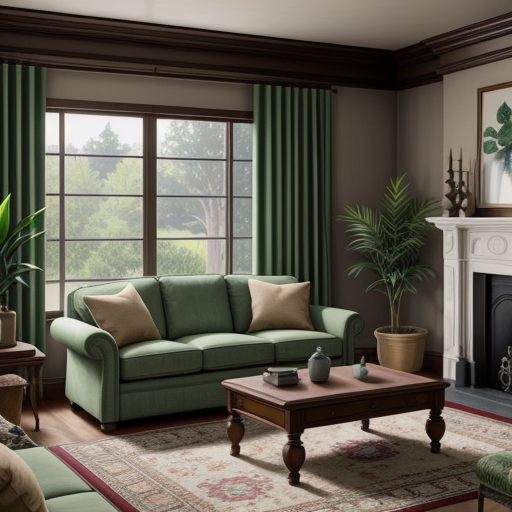
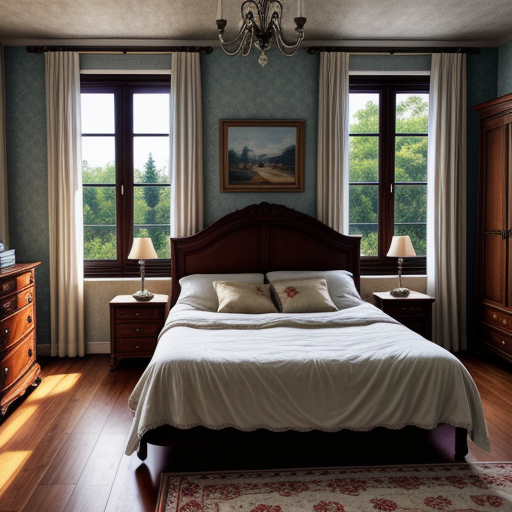
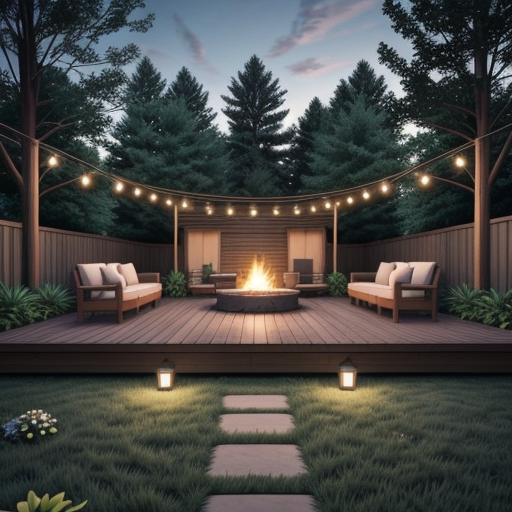
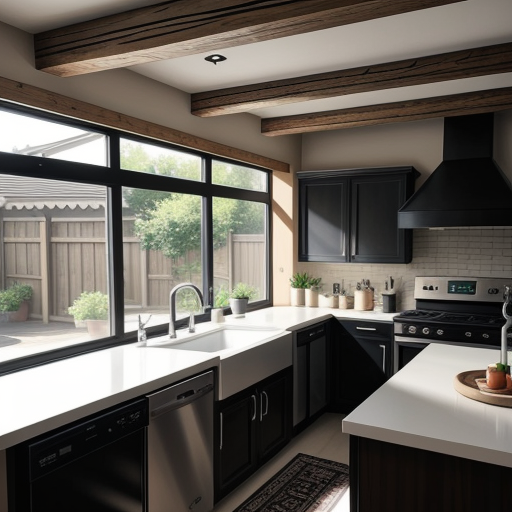
Lastly, a shift towards biophilic design—incorporating natural elements into the home—is gaining popularity. This trend emphasizes the emotional connection between nature and the built environment, leading to spaces that promote well-being and tranquility. Features such as indoor gardens, natural wood finishes, and large windows that frame outdoor views are key elements of this design philosophy.
In conclusion, current trends in residential design reflect a growing desire for open, multifunctional spaces that blend sustainability and technology. As homeowners continue to prioritize comfort, functionality, and environmental responsibility, these trends will undoubtedly shape the future of home design. Real estate agents who stay informed about these shifting preferences will be better equipped to meet the needs of their clients in a competitive market.