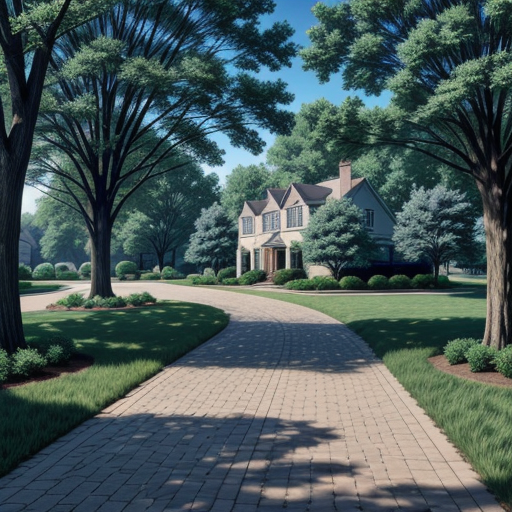
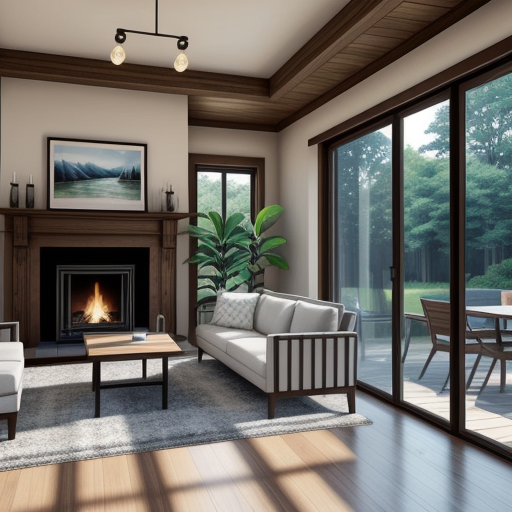
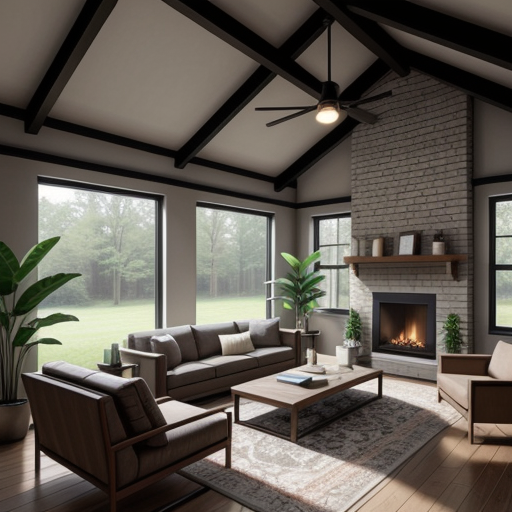
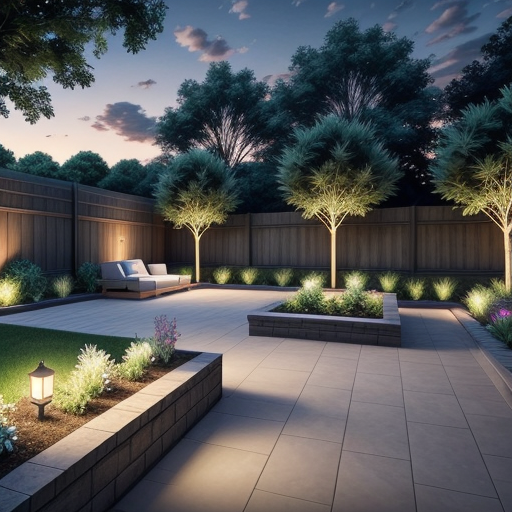
Designing a sustainable home is not just a trend; it’s a necessary move toward protecting our environment for future generations. As a potential homeowner or builder, understanding the principles of sustainable design can guide you in creating a space that is energy-efficient, environmentally friendly, and comfortable. Here are key elements to consider when designing a sustainable home.
1. Optimize Orientation and Layout
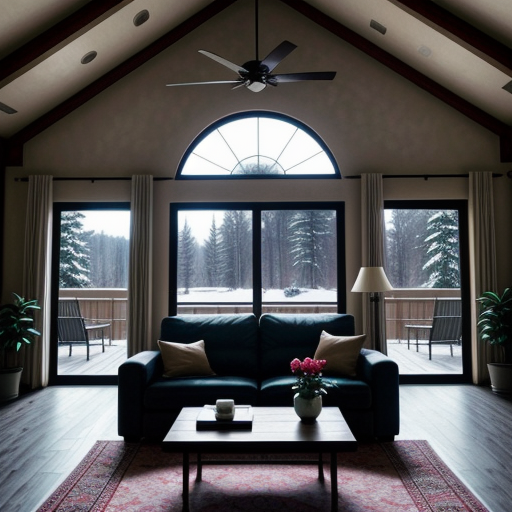
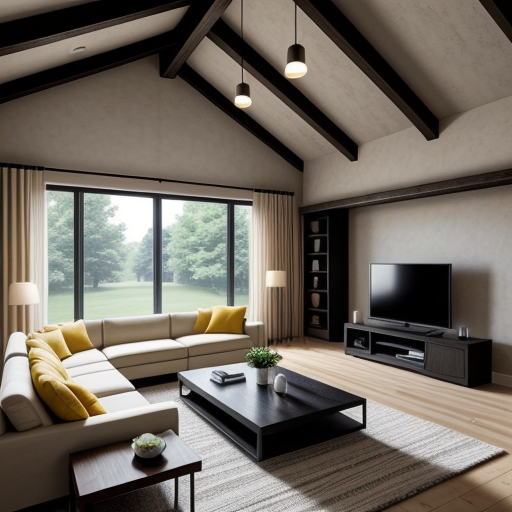
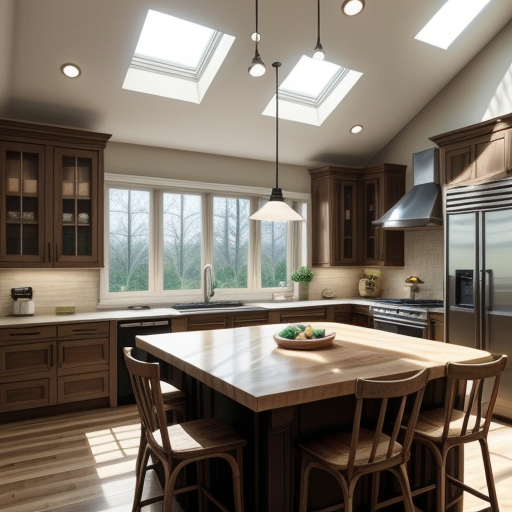
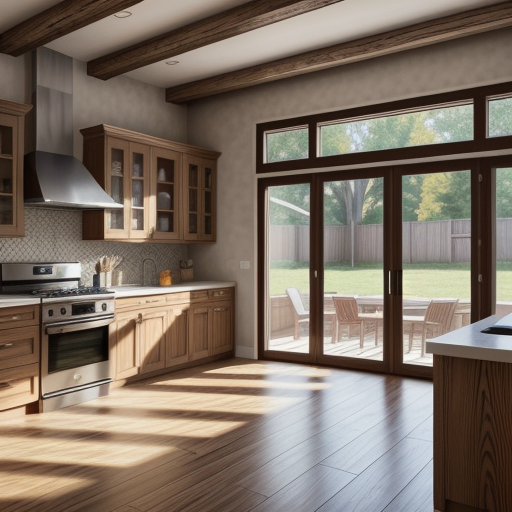
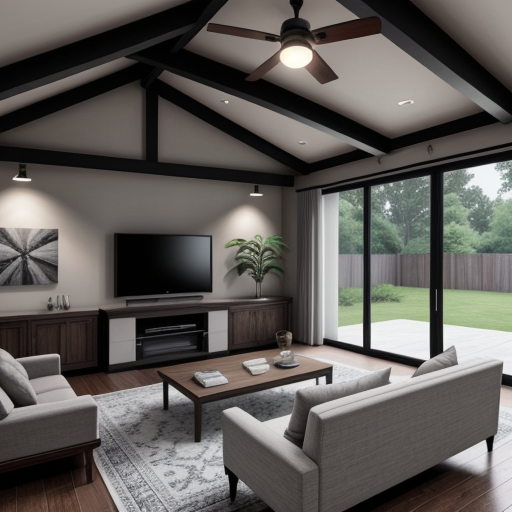
The orientation of a home can significantly affect its energy efficiency. Positioning your house to take advantage of natural light and prevailing winds can help reduce energy consumption. Large windows should be placed on the south side for maximum light exposure, while overhangs can provide shade during warmer months. Additionally, designing an open floor plan maximizes airflow and minimizes energy needed for heating and cooling.
2. Choose Sustainable Materials
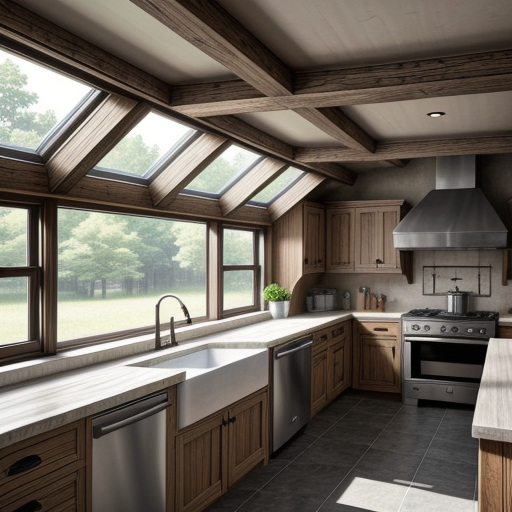
Selecting eco-friendly materials is crucial in sustainable home design. Opt for renewable resources such as bamboo flooring or reclaimed wood, which reduce the strain on the environment. Additionally, consider using recycled materials for insulation, countertops, and other finishes. Ensure that any materials used are low in volatile organic compounds (VOCs) to maintain air quality within the home.
3. Incorporate Energy-Efficient Systems
Investing in energy-efficient appliances, heating, and cooling systems can significantly lower your home’s overall energy consumption. Look for ENERGY STAR-rated appliances that use less energy without sacrificing performance. Additionally, consider installing a smart thermostat to optimize temperature control and utilize renewable energy sources like solar panels to reduce reliance on traditional energy providers.
4. Implement Water Conservation Techniques
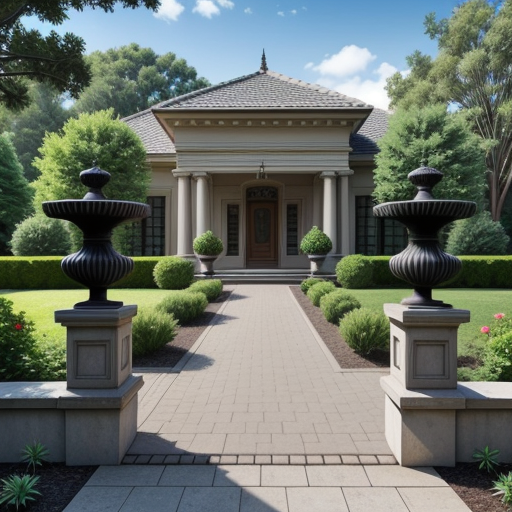
Water is a precious resource, and implementing conservation techniques in your home design can have a substantial impact on sustainability. Install low-flow fixtures, rainwater harvesting systems, and drought-resistant landscaping to reduce water usage. Native plants in your outdoor areas can further minimize water needs while providing habitat for local wildlife.
5. Enhance Indoor Air Quality
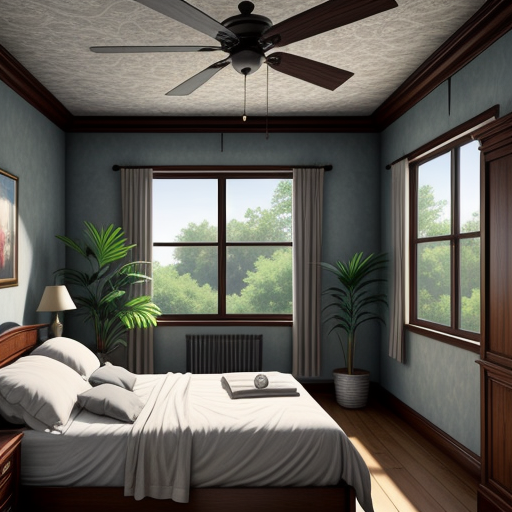
Creating a healthy living environment requires attention to indoor air quality. Incorporate proper ventilation systems, such as energy recovery ventilators (ERVs), that recycle air without losing energy. Additionally, use non-toxic paints and finishes to minimize fumes and allergens. Houseplants can further enhance air quality by absorbing carbon dioxide and releasing oxygen.
6. Plan for Future Adaptations
Designing with adaptability in mind allows your home to grow with your needs and technological advancements. Consider spaces that can be repurposed easily, and invest in infrastructure that accommodates future renewable energy technologies. Preparing for future changes can contribute to your home’s longevity and sustainability.
In conclusion, designing a sustainable home involves careful planning and consideration of various eco-friendly principles. By focusing on the orientation, material selection, energy efficiency, water conservation, indoor air quality, and future adaptability, you can create a home that not only meets your needs but also supports environmental sustainability. As demand for green living continues to rise, investing in sustainable home design can enhance your property value while contributing positively to the planet.
Embrace the opportunity to make an impact with your living space by prioritizing sustainability in your design choices.