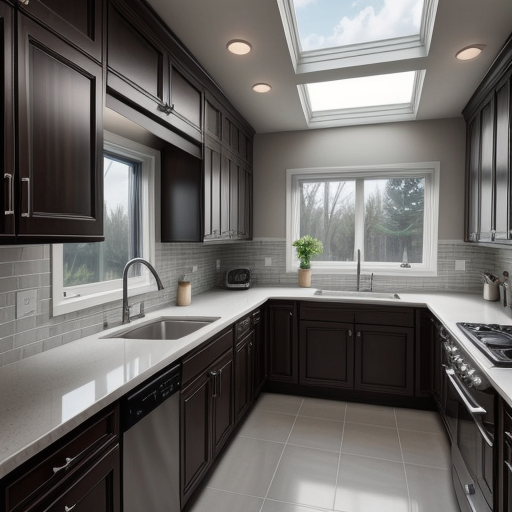
Homeownership comes with its fair share of responsibilities, and one of the most significant is managing home repairs. From leaky faucets to faulty wiring, understanding how to handle common home repairs can save you time, money, and stress in the long run. Here’s a comprehensive guide to help you navigate these challenges effectively.
1. Identify the Problem Before jumping into any repairs, take the time to accurately identify the issue. Is the leak coming from a pipe, or is it condensation? Specificity is key; knowing exactly what you are dealing with can help you determine whether it's a DIY project or if you should call in a professional.
2. Gather Your Tools Having the right tools on hand can make repairs much easier. Basic tools such as screwdrivers, a hammer, pliers, and a wrench can handle many small home issues. Consider investing in a solid toolbox and keep it stocked with all the essentials, so you’re prepared for unexpected repairs.
3. Research Solutions Once you’ve identified the problem, conduct thorough research on the best solutions. Online tutorials, home improvement channels, and even advice from local hardware stores can be invaluable. However, don’t hesitate to reach out to professionals for guidance, especially for complex issues.
4. Assess Your Skills Not every repair is suited for a DIY enthusiast. Be honest about your skills. If the job seems too complicated or requires specialized knowledge, like electrical work or plumbing, it’s best to hire a qualified professional. Attempting a repair beyond your expertise can lead to more damage and increased costs.
5. Keep Safety in Mind Safety should always be your top priority when conducting home repairs. Wear appropriate protective gear, like gloves and goggles, and turn off electric or water supplies when necessary. Following safety protocols will help prevent accidents and ensure a smooth repair process.
6. Prioritize Repairs While some repairs can wait, others require immediate attention. Develop a list of repair needs and prioritize them based on urgency and importance. For instance, fixing a leaking roof should take precedence over repainting a room, as it can lead to more significant damage if left unchecked.
7. Document Repairs Keep a record of all repairs made in your home. This documentation is beneficial for future maintenance and can add value during the home-selling process. Organize receipts, warranty information, and notes on any repairs undertaken.
8. Know When to Call in the Pros If you’ve attempted a repair unsuccessfully or if the problem persists, don’t hesitate to call in professionals. Licensed contractors have the expertise and tools to fix issues efficiently and ensure that all work complies with local regulations.
In conclusion, managing common home repairs is an essential aspect of homeownership. By identifying problems early on, gathering the right tools, conducting thorough research, and knowing your limits, you can handle many issues independently. However, don't shy away from professional help when the situation calls for it. With this balanced approach, you can keep your home in top-notch condition and maintain its value over time.