As homeowners increasingly prioritize sustainable living, water conservation has become a pressing concern for property owners. With rising utility costs and an environment that is more vulnerable than ever, implementing effective water-saving strategies can benefit both your finances and the planet. Here are several key approaches homeowners can adopt to optimize water use and promote conservation.
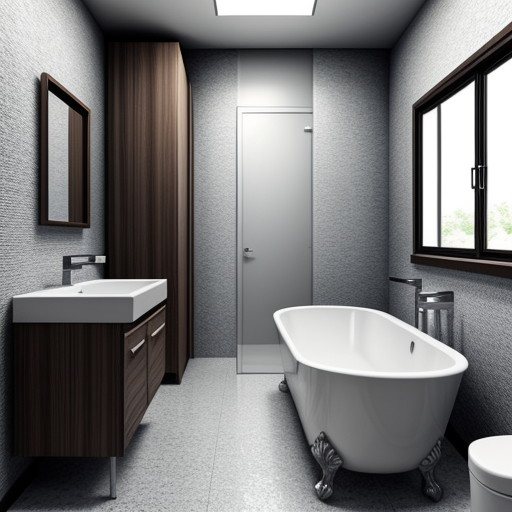
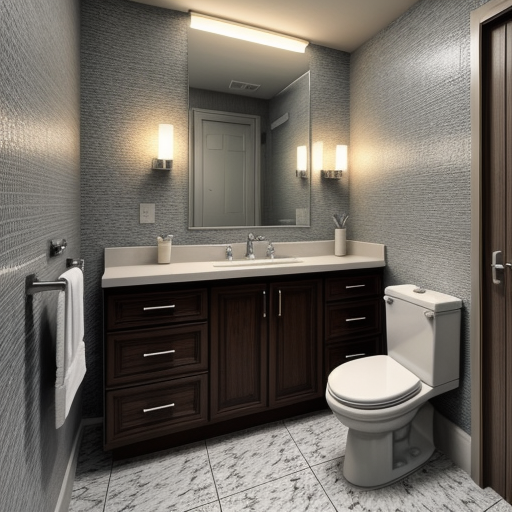
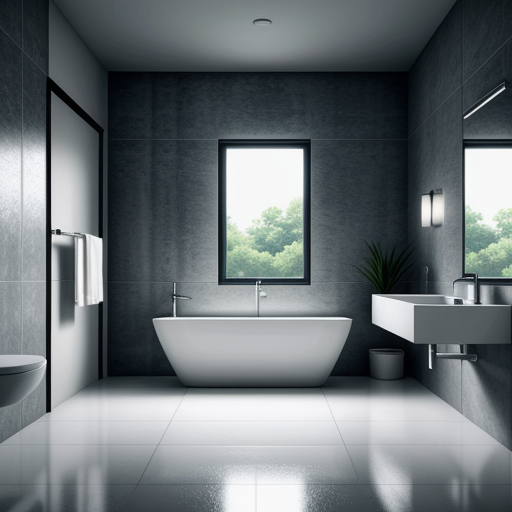
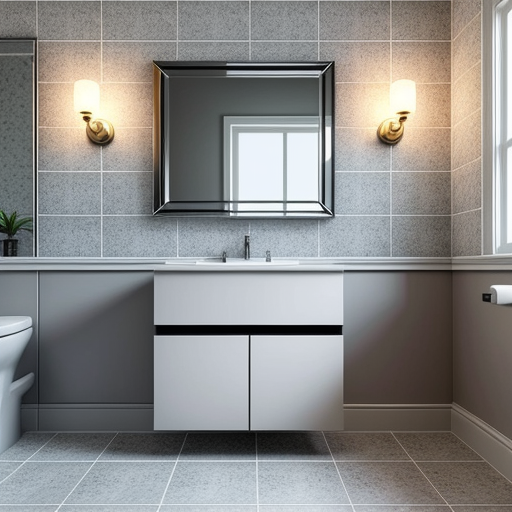
1. Install Water-Efficient Fixtures One of the simplest ways to reduce water consumption is by upgrading to water-efficient fixtures. Low-flow toilets, showerheads, and faucets significantly decrease the amount of water used without sacrificing performance. Look for products that are certified by WaterSense, a program by the U.S. Environmental Protection Agency, which ensures that they meet strict efficiency and performance criteria.
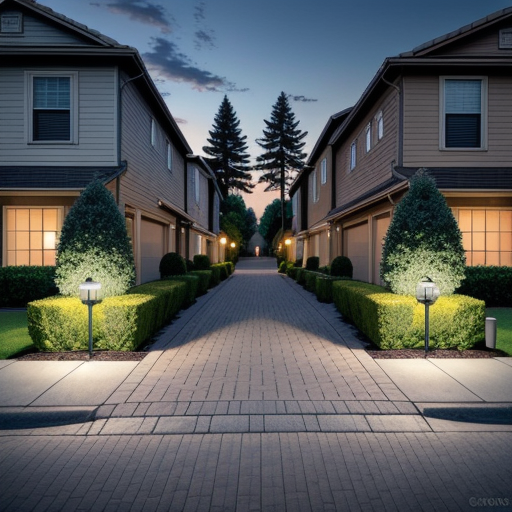
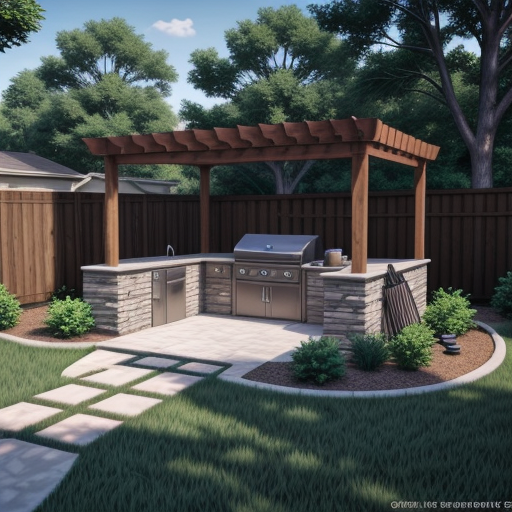
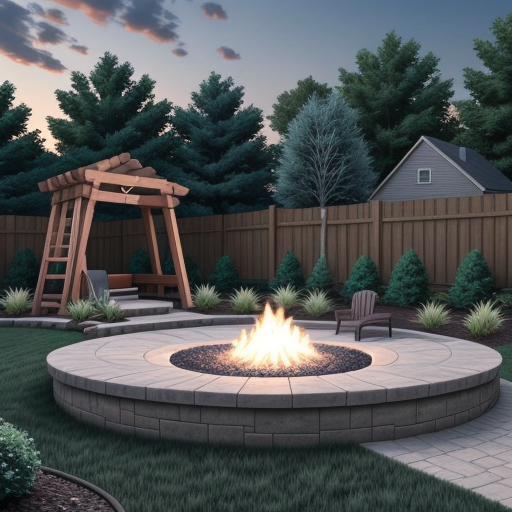
2. Utilize Native Landscaping The landscape surrounding your home plays a crucial role in water conservation. Opting for native plants that are adapted to your local climate can greatly minimize the need for watering. These plants typically require less maintenance and are more resilient, providing a beautiful yet sustainable garden that thrives with minimal resources.
3. Capture Rainwater Investing in a rainwater harvesting system can be a worthwhile endeavor for homeowners looking to optimize water use. By installing rain barrels or larger cisterns, you can collect and store rainwater for irrigation and other non-potable uses, reducing reliance on municipal water systems.
4. Implement Smart Irrigation Techniques For those with irrigation systems, upgrading to smart technology can lead to significant water savings. Smart controllers adjust watering schedules based on weather conditions, soil moisture levels, and even evaporation rates, ensuring that your landscape receives the right amount of water at the right time.
5. Practice Responsible Watering Timing is everything when it comes to watering your garden. Early morning or late evening is the most effective time to water plants, minimizing evaporation loss. Additionally, consider applying mulch around plants to retain soil moisture and reduce the need for frequent watering.
6. Educate and Engage Your Household Water conservation efforts should involve every member of the household. Educating your family about conservation practices, such as turning off the tap while brushing teeth or fixing leaks promptly, can significantly contribute to overall water savings.
7. Monitor Water Usage Finally, keeping an eye on your water bill can provide insights into your usage patterns and help identify potential leaks. Some municipalities even offer home water use evaluations, which can assist in pinpointing areas for improvement.
In conclusion, adapting effective water conservation strategies not only benefits the environment but also enhances your property’s value and reduces expenses. With a combination of smart technology, native landscaping, and responsible water habits, homeowners can contribute to a more sustainable future while enjoying the many rewards of water-efficient living.