In today's world, making your home more energy efficient is not only an environmentally responsible choice but also a financially prudent one. Implementing various strategies can lead to significant savings on your utility bills while also increasing your property's value. Below, we explore several effective methods to enhance your home's energy efficiency.
1. Upgrade Your Insulation
One of the most effective ways to improve your home’s energy efficiency is by upgrading your insulation. Proper insulation in your attic, walls, and floors helps maintain a consistent indoor temperature by preventing heat from escaping during winter and keeping it out during summer. Consider materials like spray foam, fiberglass, and cellulose, which can dramatically improve your home’s thermal performance.
2. Invest in Energy-Efficient Windows
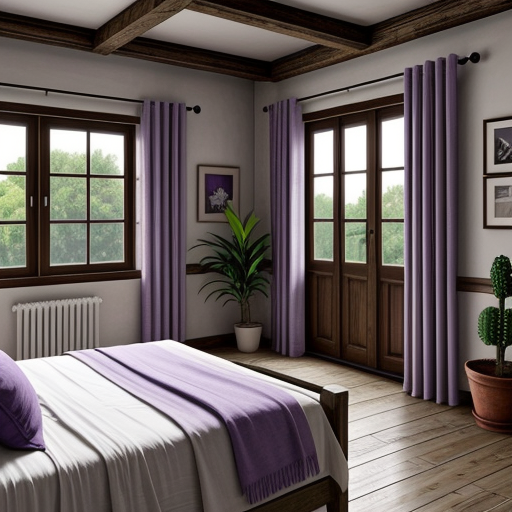
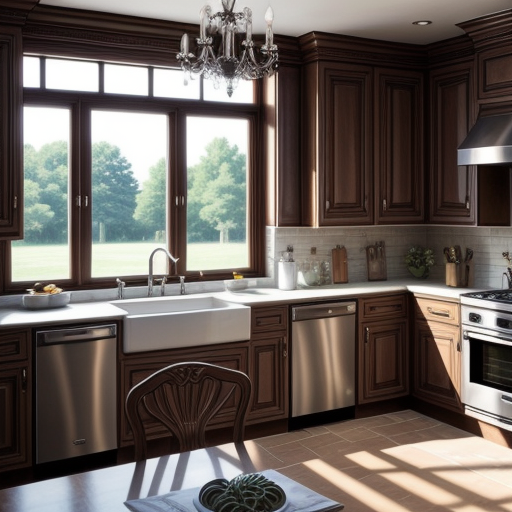
Replacing old windows with energy-efficient ones can significantly reduce heat loss and gain. Look for windows with double or triple glazing and low-emissivity (Low-E) coatings that reflect heat back into your home during winter and minimize heat buildup in summer. Not only do these windows enhance comfort, but they also add curb appeal and value to your home.
3. Seal Air Leaks
Air leaks around doors, windows, and other openings can account for a substantial amount of energy loss. Inspect your home for gaps or cracks and seal them using weatherstripping or caulk. This simple yet effective measure can help you maintain a more constant indoor temperature and reduce reliance on heating and cooling systems.
4. Upgrade to Energy-Efficient Appliances
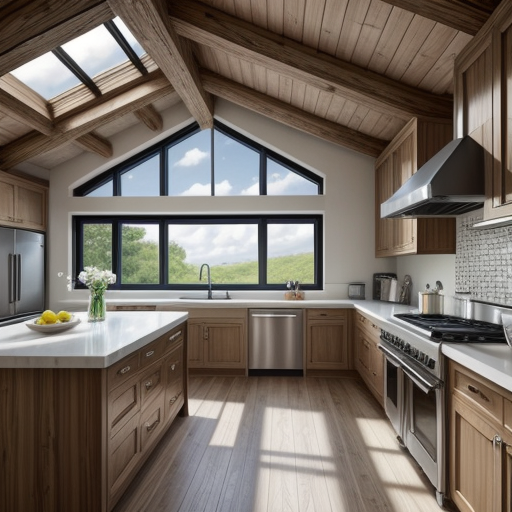
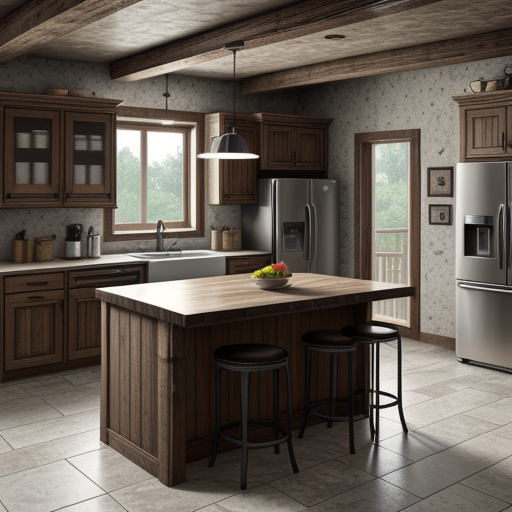
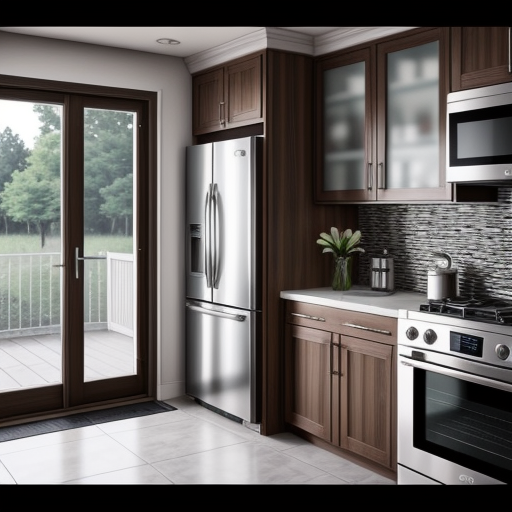
Investing in Energy Star-rated appliances can drastically cut down your energy consumption. These appliances are designed to use less energy and water than their traditional counterparts, leading to lower utility bills. When upgrading, consider energy-efficient refrigerators, washers, dryers, and dishwashers.
5. Implement Smart Home Technology
Integrating smart home technology allows you to monitor and control your home’s energy use more effectively. Smart thermostats can learn your schedule and adjust temperatures accordingly, while smart plugs and lighting systems can be programmed to reduce power consumption when not in use. These technologies not only enhance convenience but also contribute to long-term energy savings.
6. Consider Renewable Energy Options
If you're looking for a more sustainable choice, consider installing solar panels. While the upfront investment can be significant, the long-term savings on energy bills and possible tax incentives can make it worthwhile. Other renewable options include small wind turbines or geothermal heating and cooling systems, depending on your location and property.
7. Improve Your Landscaping
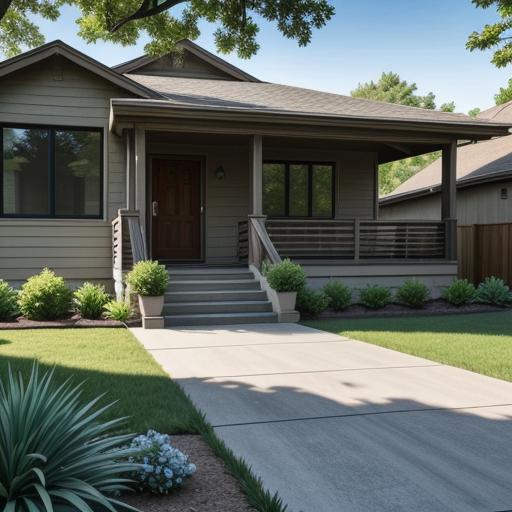
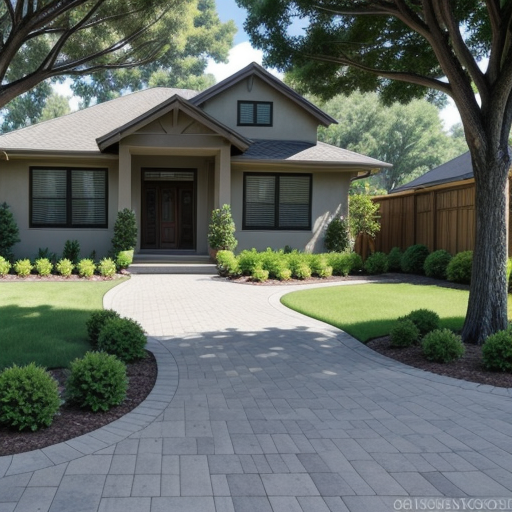
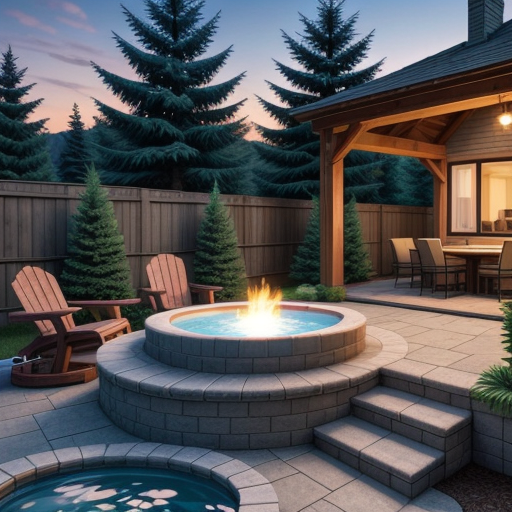
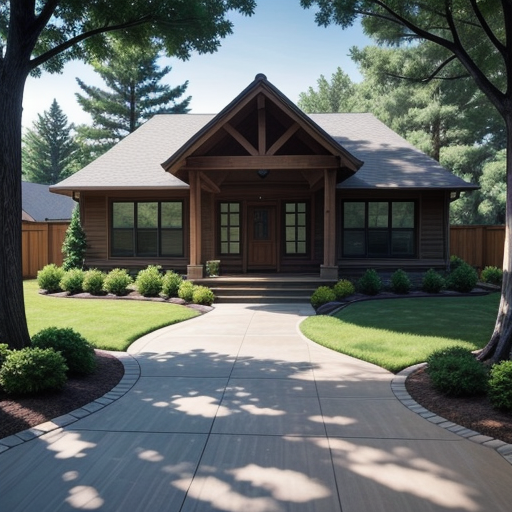
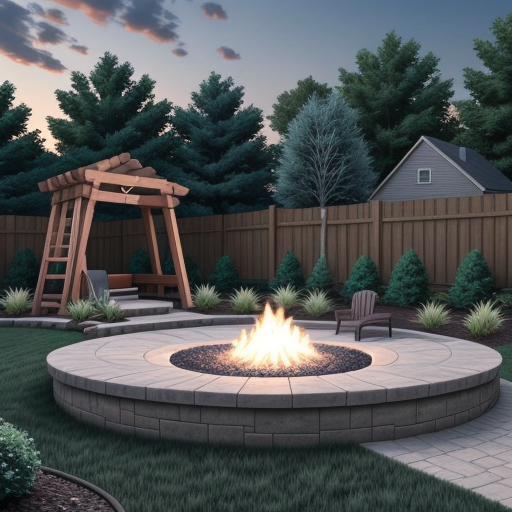
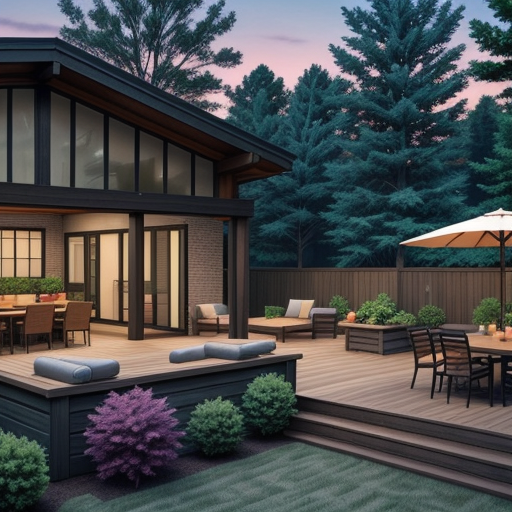
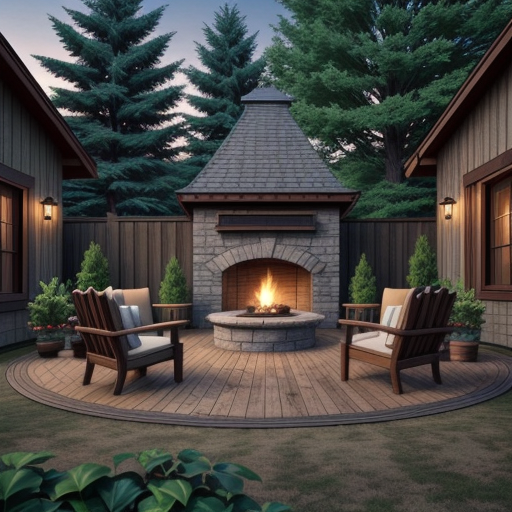
Strategically planting trees and shrubs around your home can provide natural cooling and heating benefits. Deciduous trees can shade your home in the summer, reducing cooling costs, while evergreens can act as windbreaks during winter. Additionally, native plants that require less water and maintenance can further enhance your home's eco-friendliness.
By implementing these strategies, you not only contribute to the well-being of the environment but also create a more comfortable and cost-effective living space. Making your home energy efficient is an investment that pays off both in the short term with lowered utility costs and in the long term with a more valuable property.