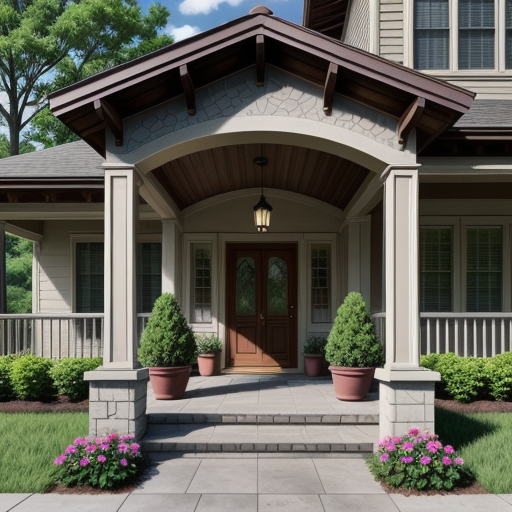
Purchasing a vacation home is a dream come true for many. It's a place to escape, unwind, and make lasting memories with family and friends. However, owning a second property comes with its own set of responsibilities, including the need for specialized insurance. Understanding vacation home insurance is crucial to protecting your investment and ensuring peace of mind.
First, it's important to recognize that vacation homes often require different insurance considerations compared to primary residences. Factors such as location, occupancy, and potential rental use can all influence the type of coverage you need. A comprehensive vacation home insurance policy typically covers the structure, personal property, liability, and loss of use.
The location of your vacation home plays a significant role in determining insurance needs and costs. Homes located in areas prone to natural disasters, such as hurricanes, floods, or earthquakes, may require additional coverage or riders. Insurance companies often account for these risks when setting premiums, so it's crucial to evaluate the specific risks related to your property's location.
Occupancy is another key variable. Vacation homes that are left vacant for extended periods might be more susceptible to damage from weather, vandalism, or theft. Insurers may impose higher premiums or require additional security measures, such as alarm systems or periodic inspections, to mitigate these risks.
If you plan to rent out your vacation home, this will also impact your insurance needs. Rental homes require coverage for additional liabilities, including tenant injuries or property damage. Many insurers offer short-term rental insurance as an add-on or standalone policy to cover these potential issues. Make sure to inform your insurer if you decide to rent out the property to ensure full coverage.
Finally, it's beneficial to compare different insurance policies and providers to find a plan that best suits your needs. Consult with a trusted insurance agent to ensure you understand all the policy provisions and have adequate coverage for your vacation home.
In summary, insuring a vacation property involves understanding several key factors, including location-specific risks, occupancy considerations, and the potential use of the home as a rental. By carefully evaluating these aspects and working closely with a knowledgeable agent, you can secure the right coverage and enjoy your vacation property with confidence.