When purchasing a home, it’s essential to consider not only your immediate needs but also the property's future resale value. Understanding how to evaluate a home’s resale potential can help buyers make informed decisions that pay off down the road. Here, we outline key factors to assess when determining a home’s potential resale value.
1. Location, Location, Location
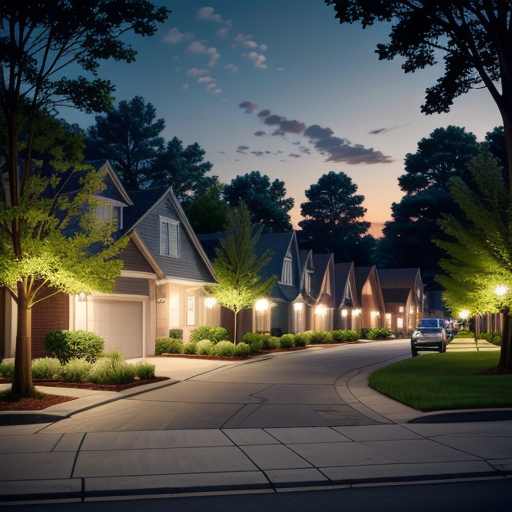
The age-old adage rings true in real estate. A home’s proximity to reputable schools, shopping centers, parks, and public transportation significantly influences its resale value. Additionally, neighborhoods with low crime rates and strong community engagement tend to retain value better over time. Research local amenities and demographics to gauge the area’s desirability.
2. Market Trends
Stay informed about the current real estate market trends in the region. Are home prices in your target area rising or falling? Analyzing recent sales and inventory levels can provide insight into potential future values. Websites like Zillow and Realtor.com can offer valuable data on market dynamics, allowing you to make educated predictions about future resale values.
3. Historical Pricing
Research how the property itself has performed over the years. If previous sales data is available, look at the price fluctuations over several years. A home that has appreciated steadily in value is generally a reliable indicator of future demand, while properties that have stagnated or declined may present higher risks.
4. Property Condition
A well-maintained home not only presents a more attractive option to buyers but also suggests fewer upcoming repairs. Consider the age of major systems such as the roof, HVAC, plumbing, and electrical systems. Investing in upgrades or renovations can enhance a property’s appeal and consequently improve its resale value.
5. Size and Layout
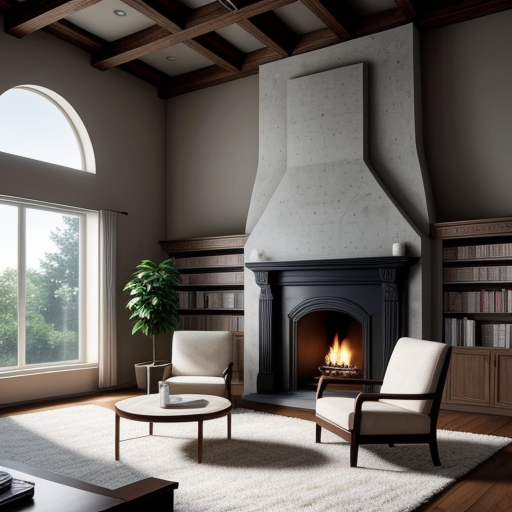
The size and layout of a home can greatly impact its resale value. Families typically seek homes with ample space and functional layouts, including multi-purpose rooms and storage solutions. Open-concept designs have become increasingly popular, so consider the floor plan when evaluating a property's future appeal.
6. Curb Appeal
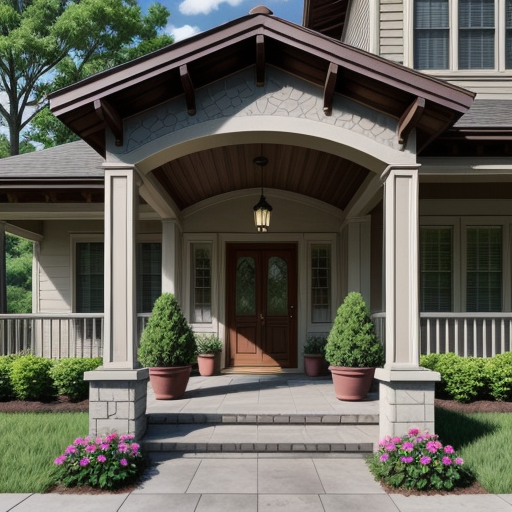
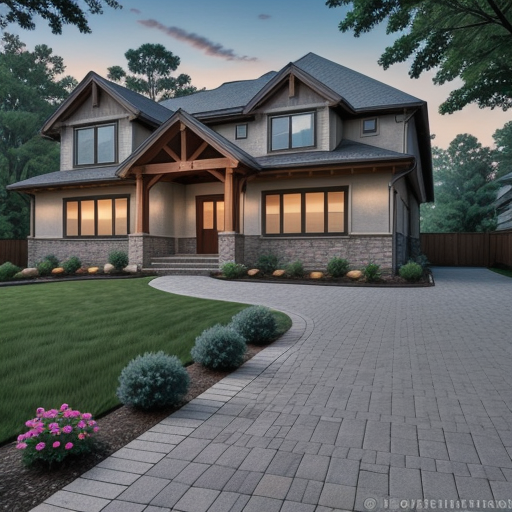
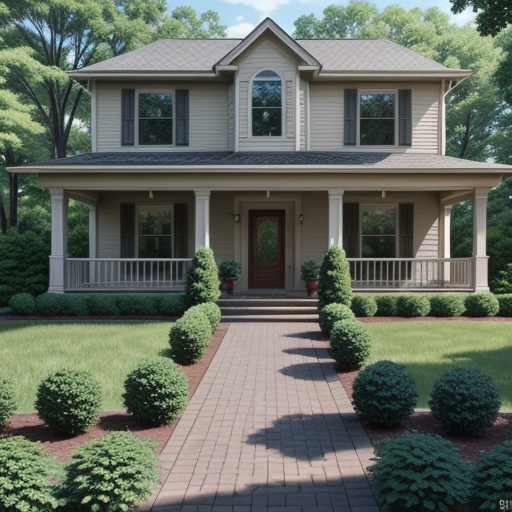
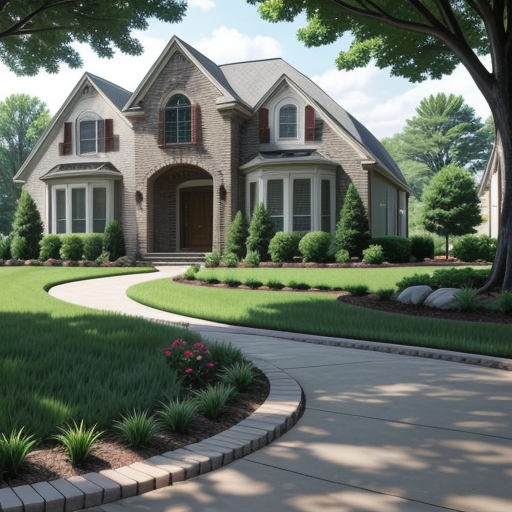
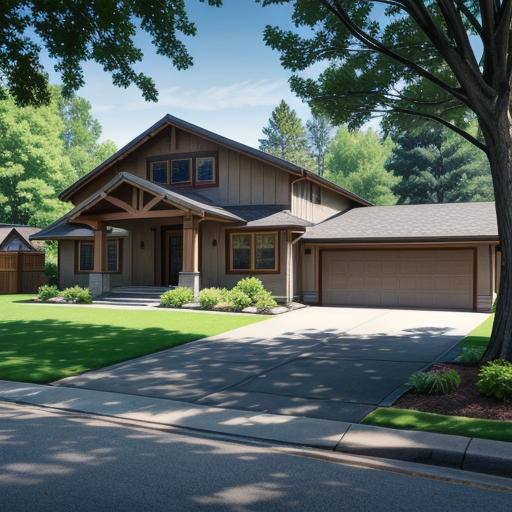
The first impression a home creates can significantly influence a prospective buyer's willingness to purchase. Investing in landscaping, fresh paint, or small exterior updates can enhance curb appeal and translate into a higher resale value. Buyers are often more inclined to pay a premium for homes that are visually appealing from the street.
7. Local Economic Factors
Broader economic conditions, including job growth and new developments in the area, can also affect a property’s resale potential. An influx of new companies, schools, or infrastructure improvements can drive demand for homes in the area, leading to increased property values.
Conclusion
Evaluating a home’s resale value is a multifaceted process involving market research, property analysis, and understanding local trends. By taking these factors into account, home buyers can make more informed decisions that not only suit their current lifestyle but also serve as a wise investment for the future. A little research and foresight can significantly enhance your chances of securing a profitable return when it’s time to sell.