Enhancing the energy efficiency of your home not only contributes to environmental conservation but also results in significant cost savings on utility bills. From simple adjustments to substantial investments, there are various strategies homeowners can deploy to improve energy efficiency.
Conduct an Energy Audit
Begin with a comprehensive energy audit to identify areas where your home may be losing energy. This assessment can be performed by a professional, or you can carry out a basic do-it-yourself evaluation. Key areas to examine include windows, doors, attics, and walls, as these spots are common culprits of energy loss.
Upgrade Insulation
Investing in quality insulation is one of the most impactful steps you can take. Proper insulation helps maintain a consistent indoor temperature year-round, reducing the need for heating and cooling systems to work overtime. Consider insulating attics, basements, and crawl spaces to maximize energy retention.
Install Energy-Efficient Windows
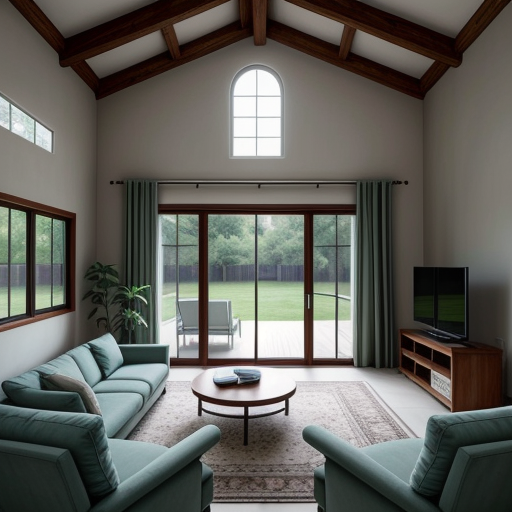
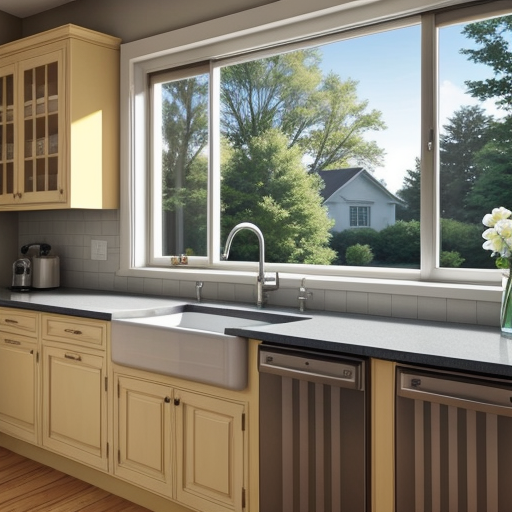
Older windows can be a major source of energy loss. Upgrading to energy-efficient windows will significantly reduce heat transfer, keeping your home warmer in winter and cooler in summer. Look for windows with low U-factors and consider those with spectrally selective coatings.
Switch to LED Lighting
LED lights use up to 75% less energy and last 25 times longer than incandescent lighting. By replacing traditional light bulbs with LED options, you can reduce energy consumption and cut electricity costs.
Upgrade Heating and Cooling Systems
Older HVAC systems can be inefficient and costly. Transitioning to modern, energy-efficient models can drastically reduce energy usage. Regular maintenance, including filter changes and system check-ups, can also ensure that your systems operate efficiently.
Utilize Smart Home Technology
Incorporate smart thermostats and other energy-saving devices. These tools allow you to control energy usage dynamically, often enabling you to reduce consumption by adjusting settings based on your schedule and preferences.
Seal Air Leaks
Eliminate drafts by sealing gaps around windows, doors, and other penetrable areas. Use weather stripping and caulk to create an airtight seal that prevents energy loss and enhances the comfort of your home.
Install Solar Panels
If your budget allows, consider investing in solar panels. While the initial cost may be significant, the long-term savings and potential tax incentives make solar energy a wise financial investment for homeowners committed to sustainability.
Practice Energy-Saving Habits
Finally, adopt everyday energy-saving practices, such as unplugging electronics when not in use, utilizing natural light during the day, and running appliances like dishwashers and washers at night.
By implementing these strategies, you can significantly reduce energy consumption, decrease your carbon footprint, and save money, thereby making your home an energy-efficient sanctuary.