Selling your home can be one of the most significant financial decisions you'll ever make. Understanding what to expect during the home selling process is crucial to ensure a smooth and successful transaction. Below, we outline the essential steps involved in selling your property, providing you with the insights needed to navigate this journey confidently.
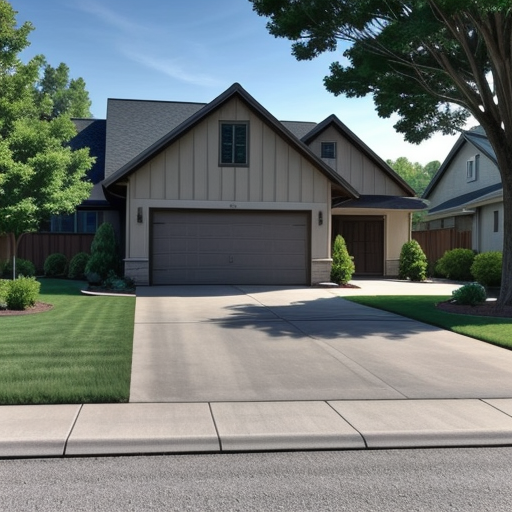
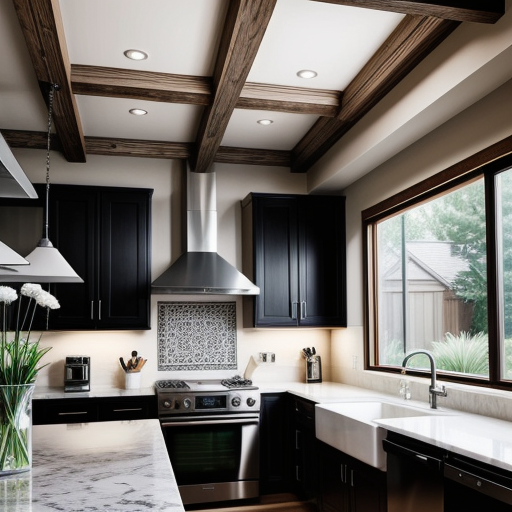
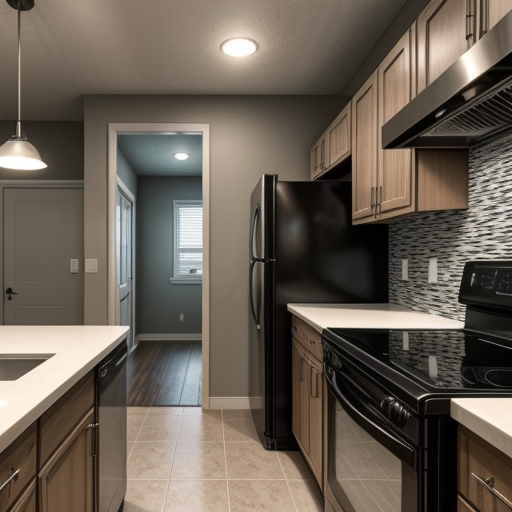
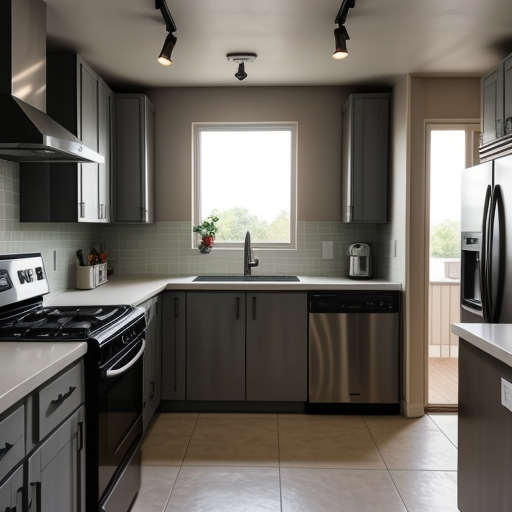
1. Preparing Your Home for Sale Before you list your home on the market, it’s essential to make it as appealing as possible to potential buyers. Start with decluttering and deep cleaning your space. Consider conducting minor repairs and upgrades, such as fresh paint or modernized fixtures, which can enhance your home's value. Additionally, staging your home can help buyers envision themselves living in the space.
2. Setting the Right Price Pricing your home correctly is a pivotal factor in attracting buyers. Conduct a comparative market analysis (CMA) with the help of a knowledgeable real estate agent to determine an appropriate price based on recent sales of similar homes in your area. Overpricing can lead to your home sitting on the market longer than necessary, while underpricing may mean losing potential profits.
3. Listing Your Home Once your home is ready and the price is set, it’s time to list your property. Your real estate agent will help you create a compelling listing description and take professional photographs to showcase your home at its best. The listing will be advertised on multiple platforms to maximize exposure and attract potential buyers.
4. Hosting Open Houses and Showings Open houses and private showings are vital to the selling process. During these events, ensure your home is clean and welcoming. Your agent will guide you on how to present your home, pointing out its best features and answering any questions from prospective buyers.
5. Receiving Offers and Negotiations Once offers start coming in, your agent will present each one to you for consideration. It's essential to evaluate not just the offer price, but also other terms such as contingencies, closing timelines, and the buyer's financial qualifications. Don’t hesitate to negotiate terms to find a mutually beneficial agreement.
6. Accepting an Offer and Under Contract After accepting an offer, your home will go under contract. This stage involves completing various inspections and appraisals as requested by the buyer, as well as any necessary disclosures or legalities required by your state. Ensuring that these processes are managed competently can help you avoid delays.
7. Closing the Sale As you approach the closing date, you'll prepare for final documentation and settle on the agreed sale price. On closing day, all parties will sign the final paperwork, and you'll hand over the keys to the new homeowners. Understand that this is the culmination of your efforts in the selling process, a time to celebrate your successful transaction.
Conclusion The home selling process can seem complex, but with the right preparation and guidance from an experienced real estate agent, you can navigate it successfully. By understanding each step, you’ll be better equipped to handle challenges and maximize the sale of your home. Whether you're selling for the first time or are a seasoned seller, being informed and prepared is key to a smooth transaction.