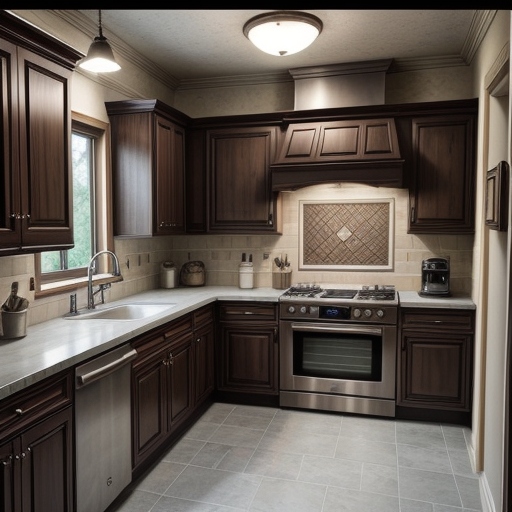
As concerns about climate change and energy costs continue to rise, increasing your home's energy efficiency has become more important than ever. Not only does boosting energy efficiency help reduce your carbon footprint, but it also leads to significant savings on utility bills. This guide offers practical strategies to enhance your home’s energy efficiency, benefiting both your wallet and the environment.
1. Conduct a Home Energy Audit
The first step towards improving energy efficiency is conducting a comprehensive home energy audit. This evaluation will identify areas where your home is losing energy and provide insights into upgrades or repairs. You can hire a professional auditor or utilize DIY tools and strategies for a preliminary assessment.
2. Upgrade Insulation and Seal Air Leaks
Insufficient insulation and air leaks are primary culprits in energy waste. By upgrading your home's insulation and sealing gaps, you ensure that your heating and cooling systems work more efficiently. Focus on areas like attics, walls, windows, and doors to prevent energy loss.
3. Install Energy-Efficient Windows and Doors
Old windows and doors can be significant sources of energy inefficiency. Consider replacing them with modern, energy-efficient designs that provide better thermal insulation. Look for products certified by Energy Star or similar standards for optimal performance.
4. Invest in Energy-Efficient Appliances
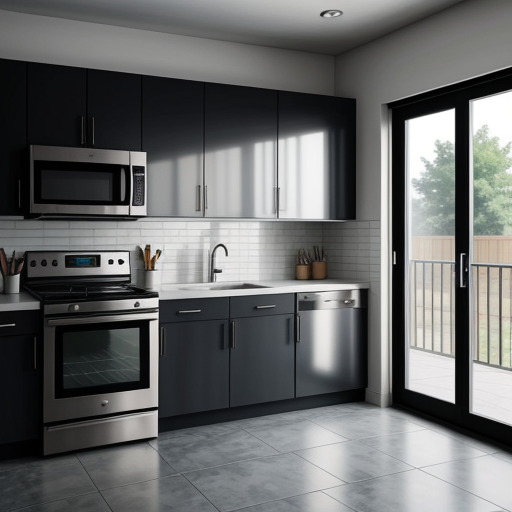
Appliances account for a large portion of household energy use. When buying new appliances, opt for energy-efficient models that consume less power without sacrificing performance. Again, Energy Star-rated products are a good benchmark.
5. Switch to LED Lighting
Traditional incandescent bulbs are inefficient and consume a lot more energy compared to LED alternatives. By switching to LED lighting throughout your home, you will see a noticeable reduction in your energy consumption and utility costs.
6. Incorporate Smart Home Technology
Smart home technologies, such as programmable thermostats, can automate energy usage and enhance overall efficiency. These devices allow you to control heating and cooling remotely, ensuring energy isn’t wasted when rooms are unoccupied.
7. Consider Renewable Energy Sources
Finally, investing in renewable energy sources like solar panels can significantly increase your home’s energy efficiency. While the upfront cost can be high, the long-term savings and positive environmental impact make it worthwhile.
Increasing your home's energy efficiency is a rewarding endeavor that can lead to substantial financial savings, increased comfort, and a smaller environmental footprint. By taking these steps, you can help make a positive impact on both your home and the planet.