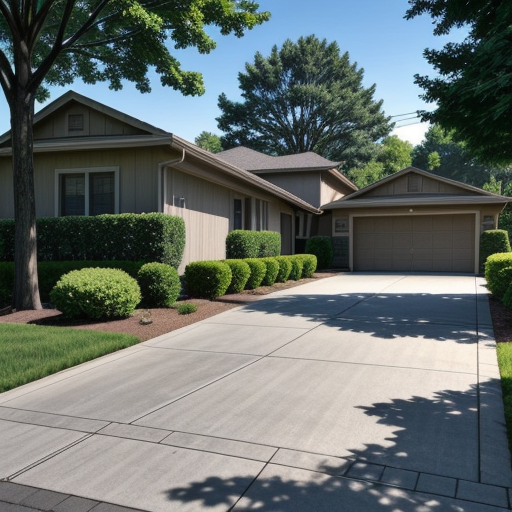
Understanding the factors that drive real estate pricing is crucial for any prospective homebuyer or real estate investor. By examining these elements, one can better navigate the complexities of the real estate market and make informed decisions.
-
Location: The adage "location, location, location" holds true. Properties situated in desirable neighborhoods or those with proximity to amenities such as schools, shopping centers, and public transportation often command higher prices.
-
Economic Indicators: The broader economy significantly influences real estate prices. In periods of economic growth, increased employment and wages can drive demand in the housing market, pushing prices upward.
-
Interest Rates: Mortgage interest rates directly impact buyers' purchasing power. Lower rates reduce borrowing costs, often leading to increased demand and higher property values.
-
Supply and Demand: Real estate markets are driven by supply and demand dynamics. A surplus of homes can lower prices, while a limited supply with high buyer interest can lead to price increases.
-
Government Policies: Tax incentives, subsidies, and regulations such as zoning laws or housing policies can influence real estate pricing by either encouraging or restricting investment.
-
Market Trends: Changes in demographic trends, such as urbanization or shifts in population demographics, can affect demand, impacting property values.
-
Infrastructure Development: New infrastructure projects, like roads, bridges, and transit systems, can enhance accessibility and desirability, potentially boosting property prices in affected areas.
-
Property Condition and Features: The condition, size, and unique features of a home, such as a modern kitchen or energy-efficient design, can significantly affect its market value.
-
Neighborhood Developments: Planned developments or revitalization efforts in a neighborhood can increase its appeal and consequently raise the real estate prices.
-
Environmental Factors: Natural disasters and environmental issues, such as floods or storms, can deter investment and lower property values, while scenic views or proximity to nature reserves can have the opposite effect.
By understanding these essential elements, buyers and investors can gain insight into the fluctuating landscape of real estate prices, enabling them to make more strategic decisions.