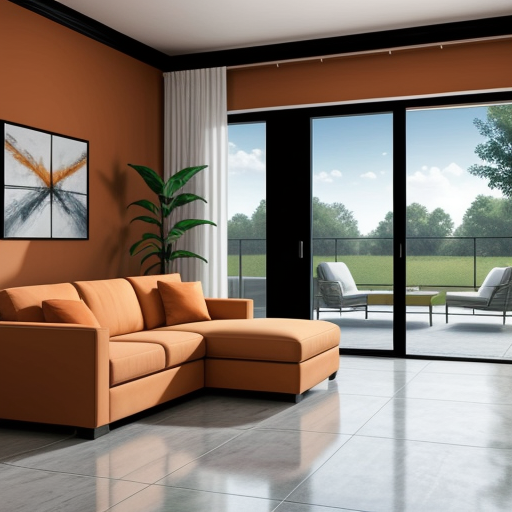
As the demand for urban living increases, many homebuyers and renters find themselves embracing smaller living spaces. Whether you're moving into a cozy apartment or downsizing to a charming cottage, making the most of your square footage is crucial. Fortunately, with a few strategic design choices and tricks, you can transform any small space into a larger, more open environment.
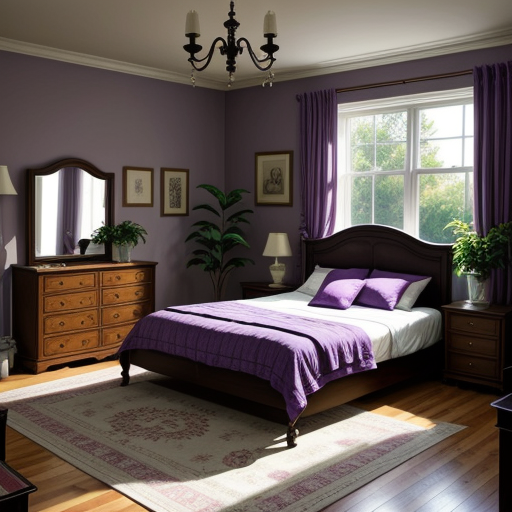
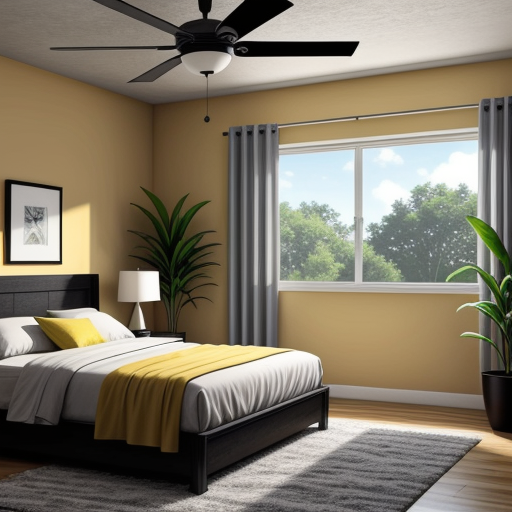
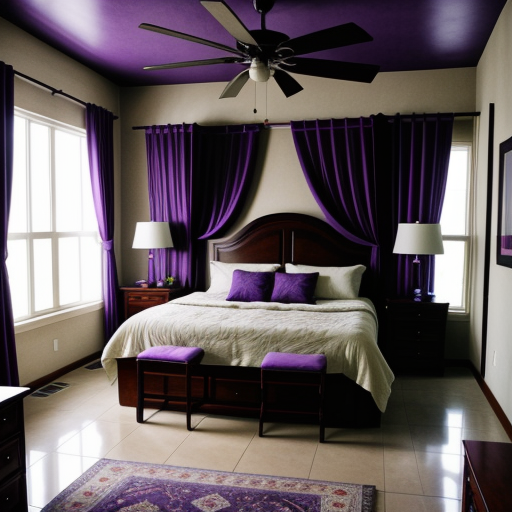
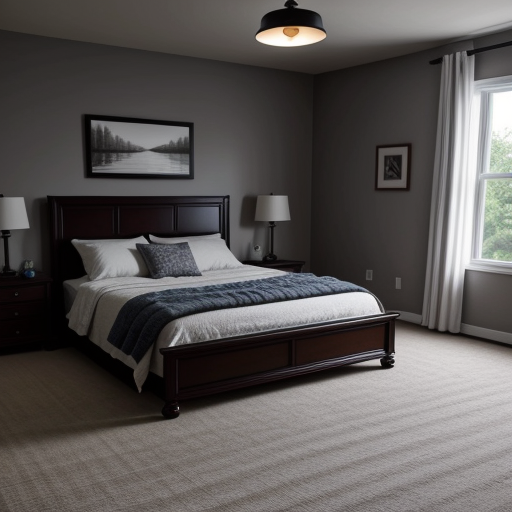
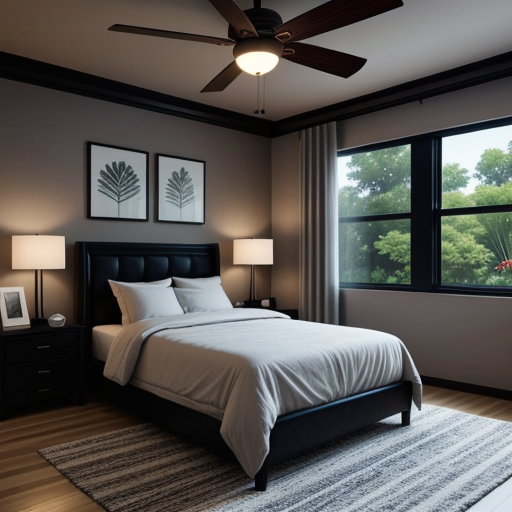
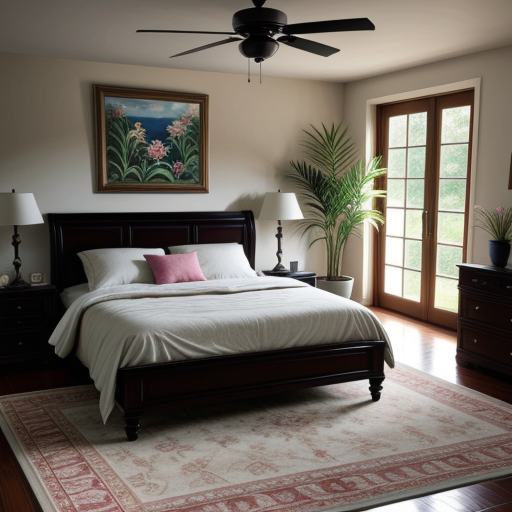
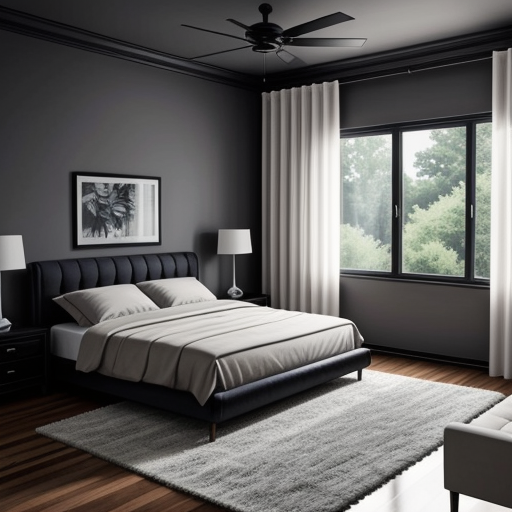
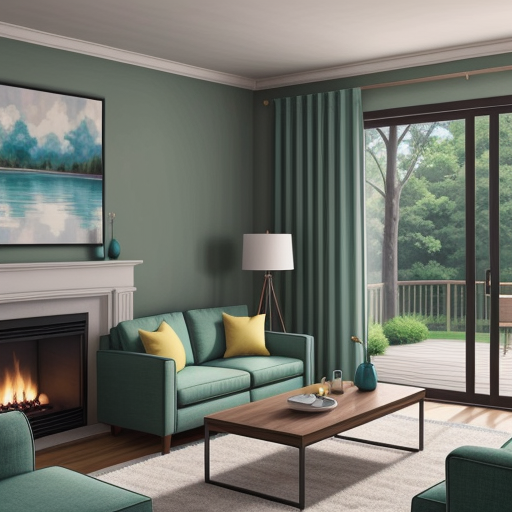
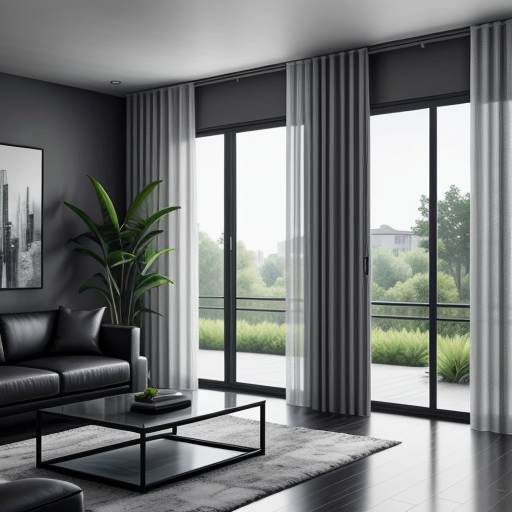
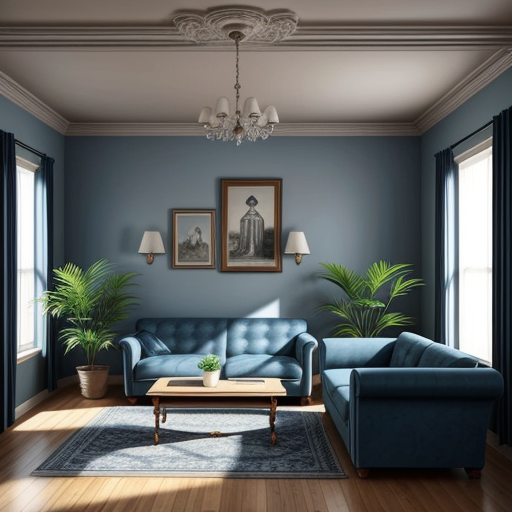
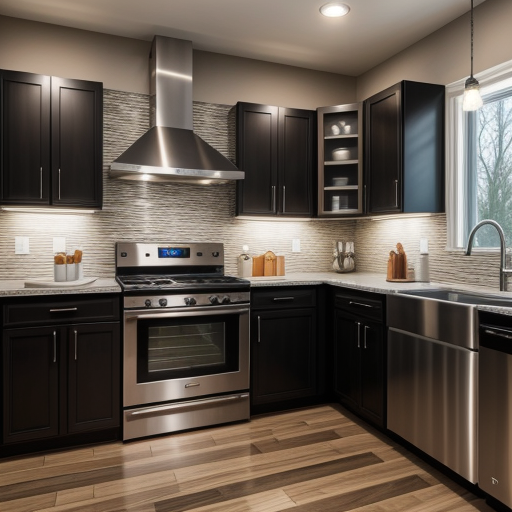
First, focus on color choices. Light colors, such as whites, creams, and pastels, reflect light, making rooms appear more open and airy. Dark colors, while stylish, can make a room feel smaller and more confined. Consider painting the walls and ceiling in a lighter palette to maximize the feeling of openness.
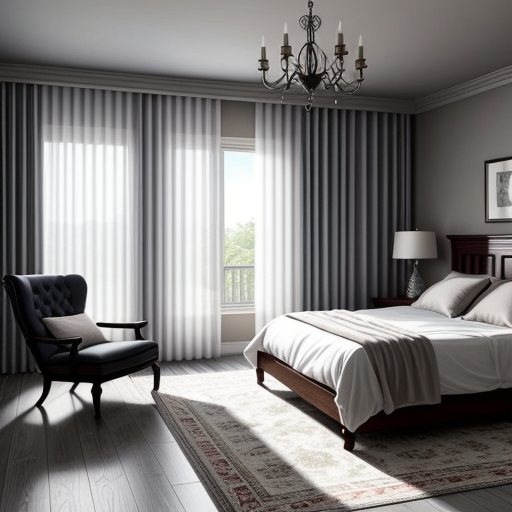
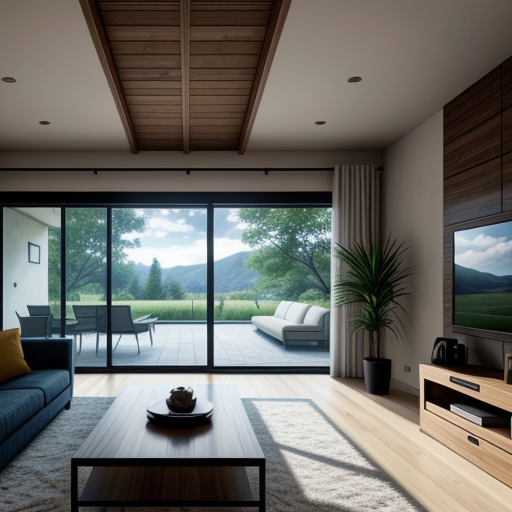
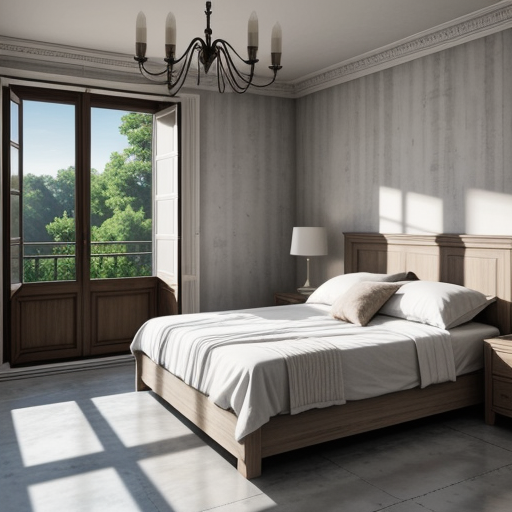
Next, consider the power of natural light. Allowing more daylight into your home can make it feel more expansive. If privacy isn't a major concern, opt for sheer curtains or blinds that allow light to filter through. Additionally, placing mirrors across from windows will reflect light and create the illusion of more space.
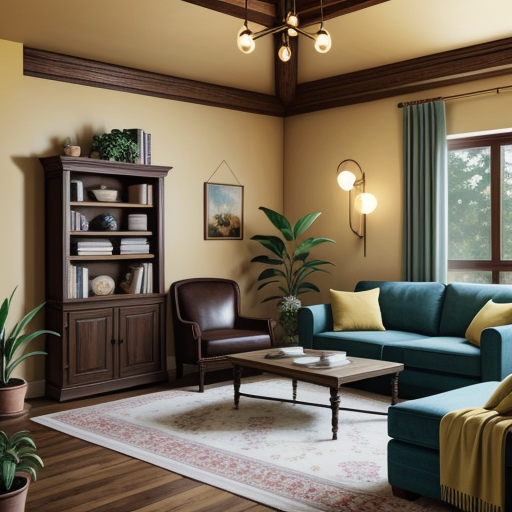
Maximizing the utility of your furniture is another vital aspect. Opt for multi-functional pieces, such as a sofa bed or a dining table with built-in storage. Furniture that can serve multiple purposes will help reduce clutter and enhance the flow in a small area. Also, choose furniture with exposed legs and slim profiles which take up less visual space.
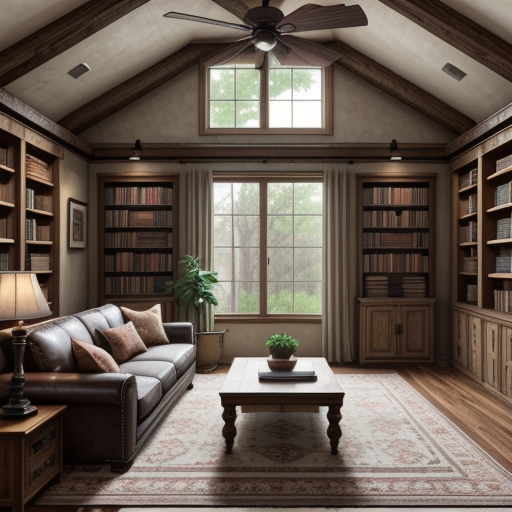
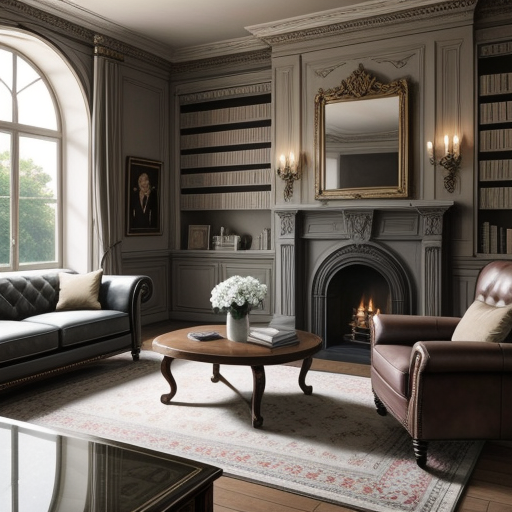
Create a sense of vertical space by drawing the eyes upward. Use tall bookshelves, hang artwork higher on the walls, or install floor-to-ceiling curtains to emphasize height. This strategy helps to enlarge the space visually, as it encourages the eye to move around the room.
Decluttering is essential for creating an open and inviting space. A minimalist approach can work wonders, making sure that each item serves a purpose or adds to the aesthetic value of your home. Consider storage solutions like under-bed storage or wall-mounted shelves to keep your space organized without feeling cramped.
Finally, keep the flow of the room in mind. Creating pathways within your space can make it feel larger. Arrange furniture to avoid blocking natural pathways, and ensure there's plenty of walking space between pieces, as this can make the area feel more breathable.
By incorporating these techniques, you can create a more spacious environment, despite size constraints. Remember, making a smaller space feel larger is all about smart design and furniture choices. With thoughtful planning, you can forge a home that feels open, inviting, and perfectly suits your needs.