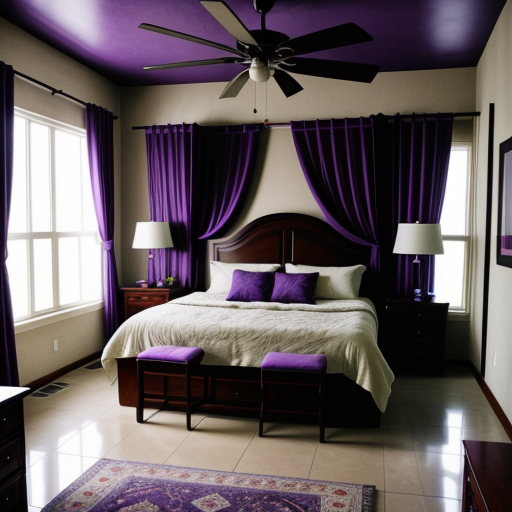
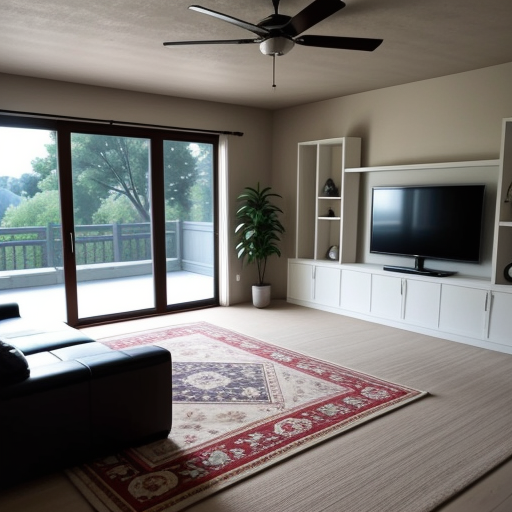
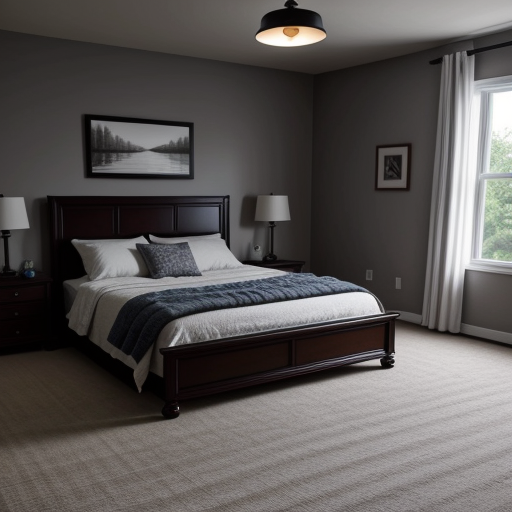
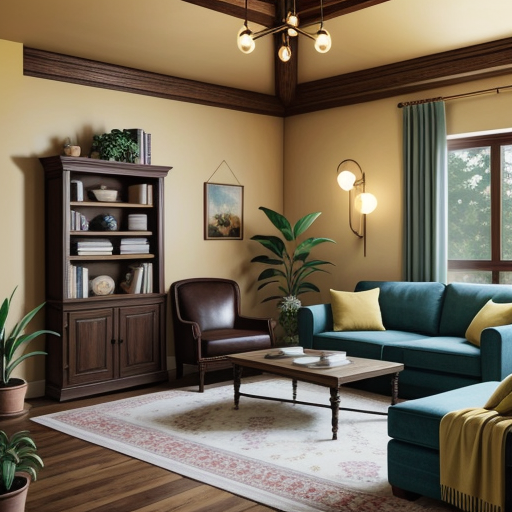
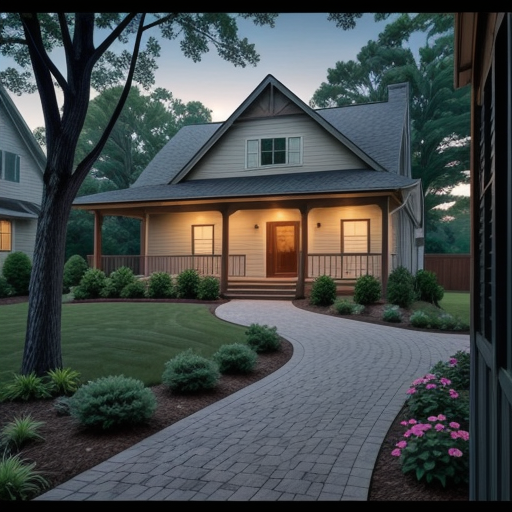
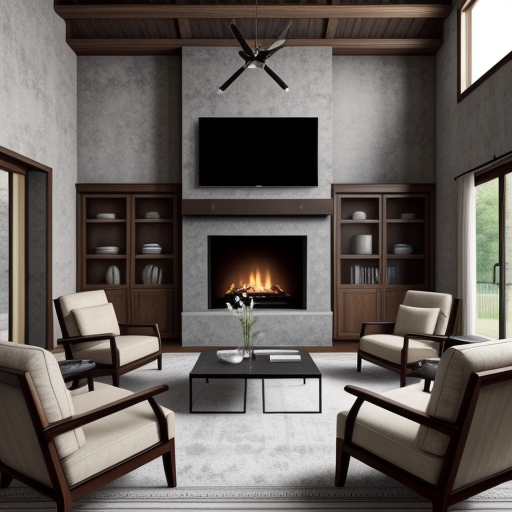
Embarking on a home tour is an exciting phase in the home buying journey, where potential buyers get a firsthand look at what could become their future home. However, with the excitement comes the responsibility of ensuring the property meets your needs and expectations. Here’s what to keep an eye out for during a home tour.
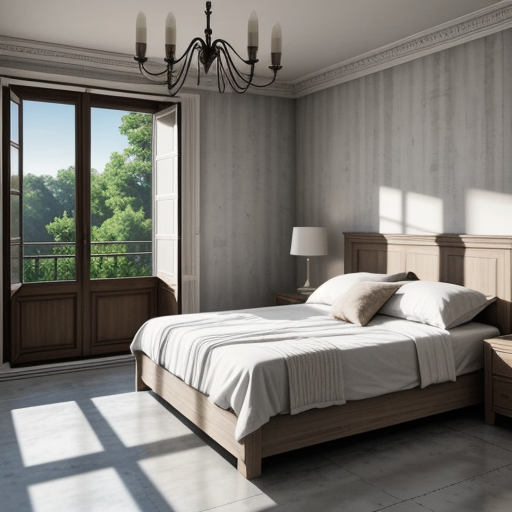
1. Structural Integrity and Layout When you first enter the home, assess the overall structural integrity. Look for signs of cracks in the walls, uneven floors, or issues in the ceiling that could indicate foundational problems. Consider the layout of the home and whether it matches your lifestyle needs. Ask yourself if the flow between rooms suits your familial or personal requirements.
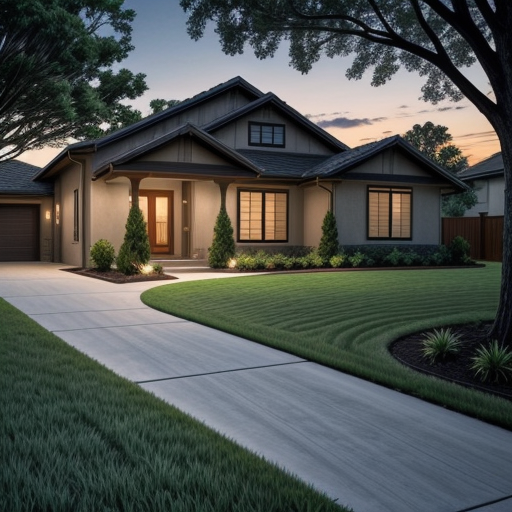
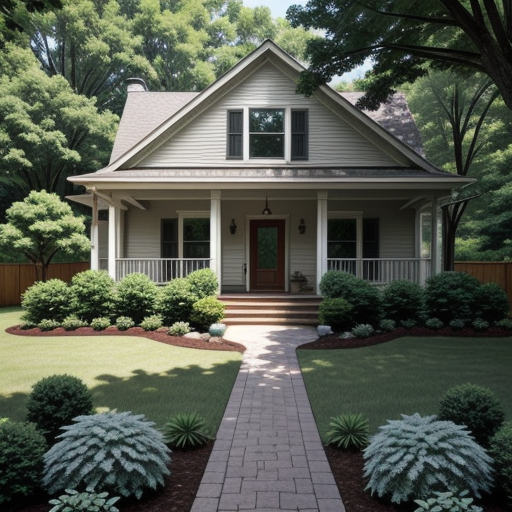
2. Roofing and Exterior While touring, inspect the condition of the roof from the ground. Look for signs of wear and tear or any damage that might lead to costly repairs. Similarly, examine the exterior materials, such as siding, bricks, or stucco, to ensure they are well-maintained and free from damage.
3. Plumbing and Electrical Systems Check the plumbing systems by running taps in the kitchen and bathrooms, and flushing toilets to investigate water pressure and drainage efficiency. Additionally, review the electrical system by testing lights and appliances to ensure they operate effectively. Inquire about the age of the electrical panel and any updates.
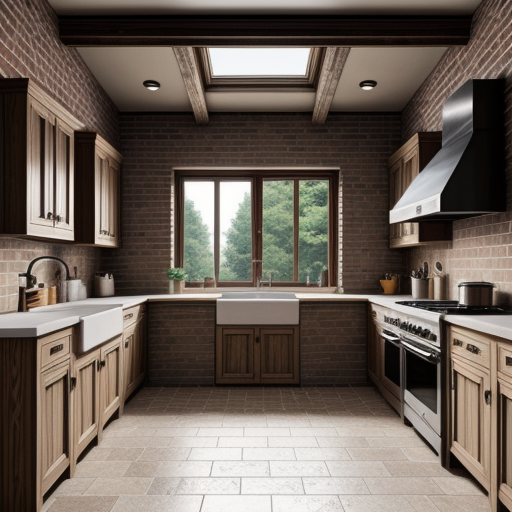
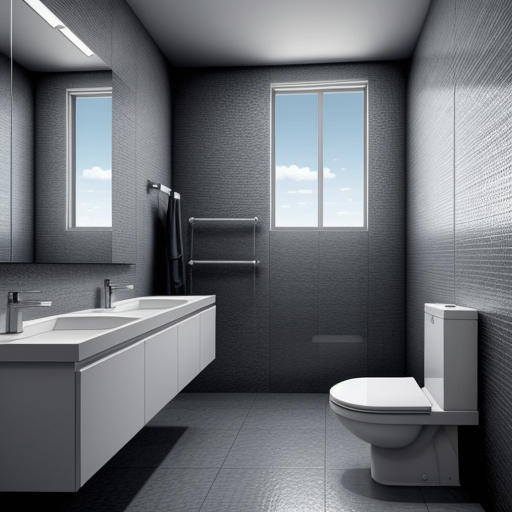
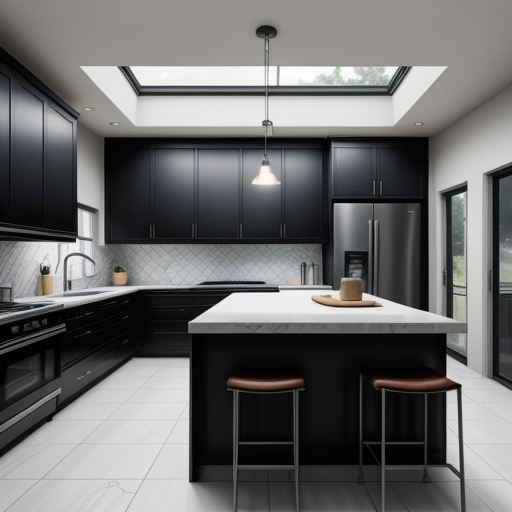
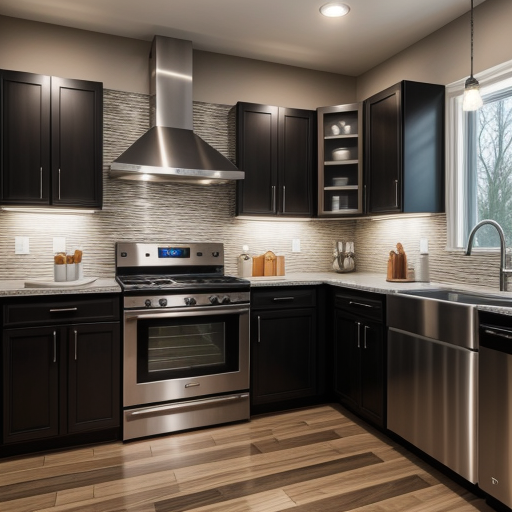
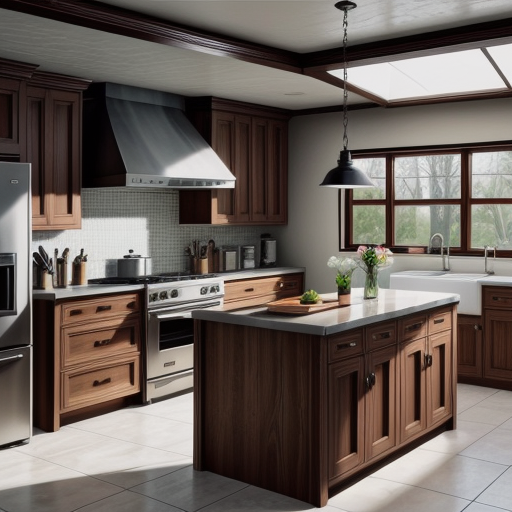
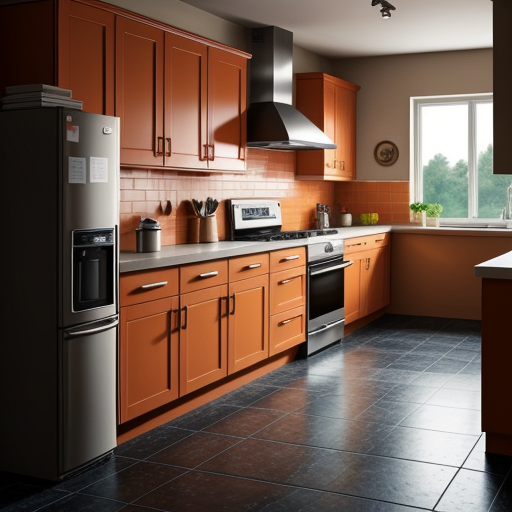
4. Kitchen and Bathroom Conditions Pay close attention to kitchens and bathrooms as they are essential aspects of everyday convenience. Assess the condition and age of appliances, cabinetry, countertops, and plumbing fixtures, to determine if you may need future updates or replacements.
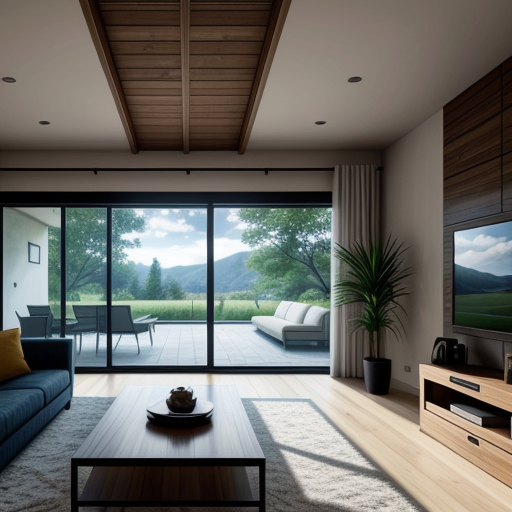
5. Windows and Insulation Check the condition of windows for any seal failures or signs of condensation. Well-insulated windows reduce energy costs and improve comfort. Consider the insulation throughout the house, especially if you’re in a region with extreme weather conditions.
6. Basement and Attic Examination Visit the basement and attic to inspect for any signs of moisture, mold, or pest issues. These areas can be revealing about potential hidden problems with a home, so scrutinize them carefully.
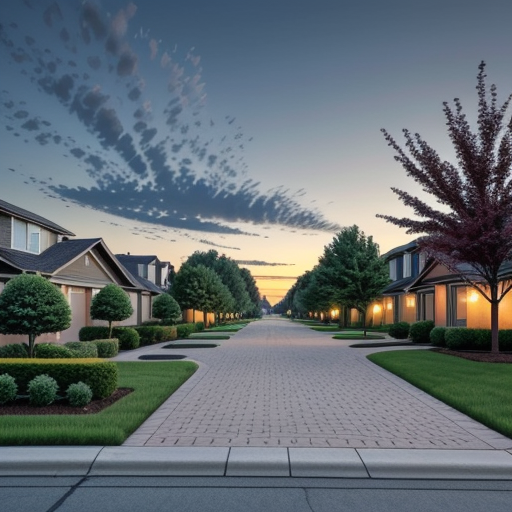
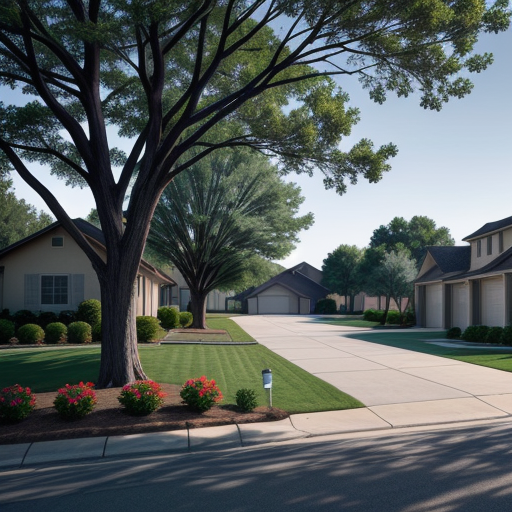
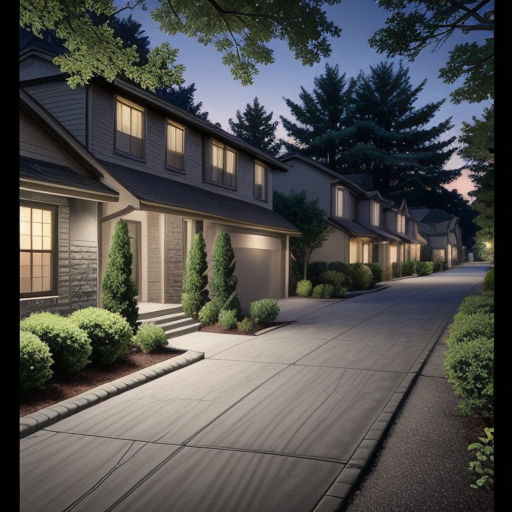
7. Neighborhood and Surroundings Beyond the home itself, evaluate the neighborhood to ensure it meets your lifestyle and safety standards. Observe amenities, local schools, and commute times to work or other vital locations. This exterior analysis can greatly affect your living experience.
The process of a home tour requires a keen eye for detail beyond the allure of stylish decor. By systematically considering these factors, you can make informed decisions on which property might become your new home.