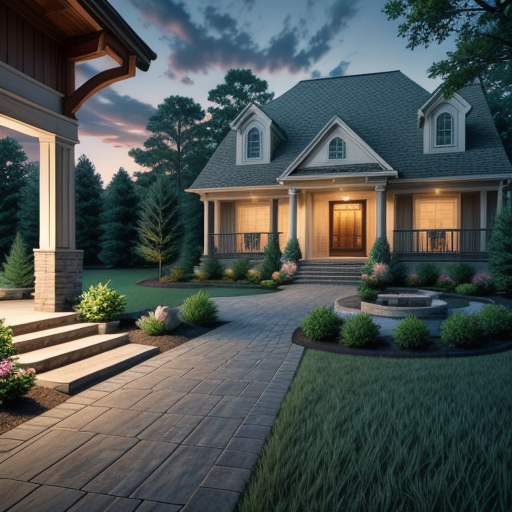
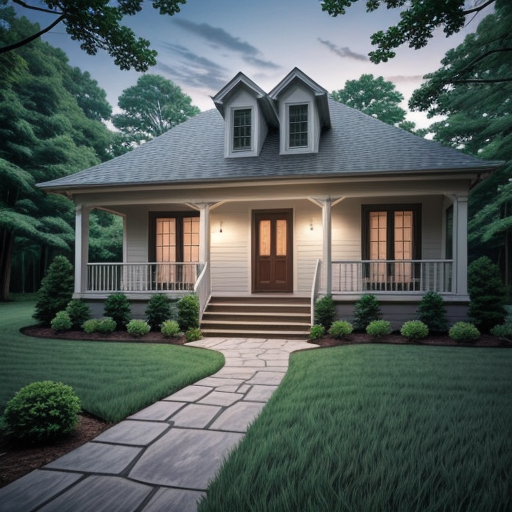
In today's world, ensuring the safety and security of your home is more critical than ever. With numerous options available, selecting the ideal home security system can feel overwhelming. However, by understanding your needs and learning about the options available, you can make an informed decision that will keep your home protected.
Assess Your Security Needs
Begin by assessing your home’s specific security requirements. Consider factors such as your home's size, the number of entry points, your local crime rate, and whether you need security for indoor, outdoor, or both spaces. Identifying these needs will help you narrow down your security system options in alignment with your unique circumstances.
Understand the Basics of Home Security Systems
Home security systems generally comprise basic components including door and window sensors, motion detectors, and control panels. Advanced systems often include smart home integration, surveillance cameras, and environmental sensors. Knowing these basics helps you understand what constitutes a standard setup and what additional features might benefit your situation.
Decide Between Monitored and Unmonitored Systems
Monitored security systems are connected to a monitoring center that responds when sensors are triggered, offering professional security assistance 24/7. Unmonitored systems alert you via smartphone notifications, allowing the homeowner to decide on the subsequent action. Evaluate your desired level of involvement and choose a system type that suits your lifestyle and preference for involvement in potential security incidents.
Consider Smart Home Integration
Incorporating smart technologies adds convenience and enhanced security features. Look for systems that integrate with smart home hubs, voice-assistants, and offer remote access via mobile apps, allowing you to control and monitor your security setup from anywhere. Smart integrations can also automate responses to security threats, such as locking doors or activating alarms in your absence.
Evaluate Installation Options
Decide whether you prefer a professionally installed system or a DIY installation. Professional installations ensure expertise and often come with customer support, but they may incur additional costs. DIY setups, while fashionable for their simplicity and cost-effectiveness, demand some technical know-how from the homeowner.
Compare Costs and Long-term Expenses
Reviewing the up-front costs, subscription fees for monitoring, and potential long-term expenses will help you budget effectively. Prices vary widely based on the security package size and service level. Consider systems that offer transparency in billing and flexibility in plan customization.
Read Reviews and Seek Recommendations
Lastly, research online reviews and seek recommendations from friends or family who have experience with home security systems. Personal insights and user feedback will provide valuable information on system reliability and customer service quality.
By taking a methodical approach to selecting a home security system, you increase your confidence in the choice you make, ensuring that it meets your specific needs and provides security for years to come. Armed with the right information and clarity on your priorities, you can choose a home security system that offers peace of mind and protection for your home and loved ones.